
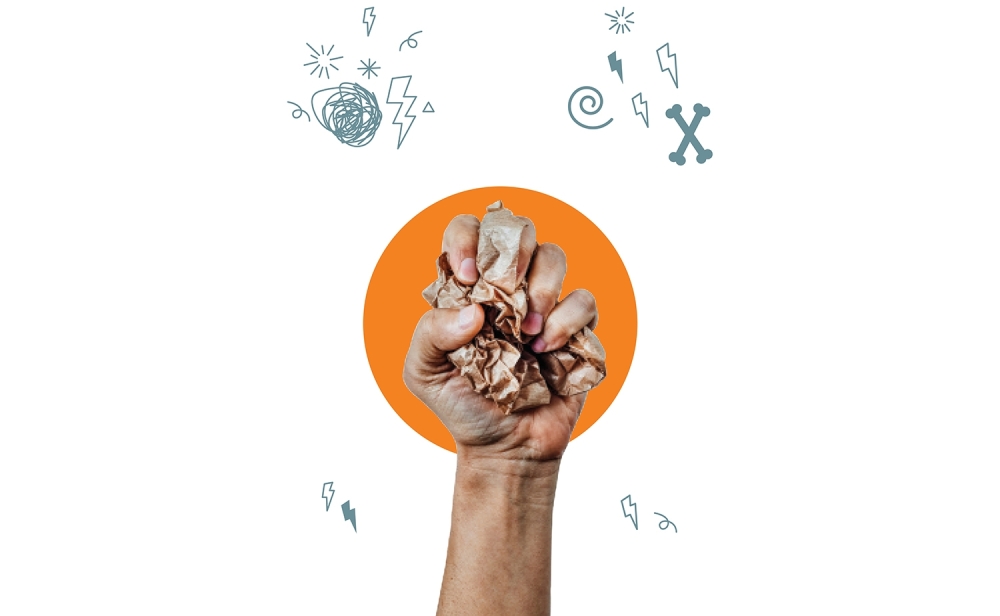





Have you ever lost your temper over something trivial — a delayed message, a noisy street, or someone overtaking you off in traffic? It happens to all of us. But if such moments are becoming part of your daily routine, maybe it’s time to ask yourself honestly: Am I becoming a short-tempered person? In today’s fast-paced world, irritation has almost become part of our emotional DNA. With constant pressure from work, endless notifications on our phones, and the rush to keep up with life, anger seems to have found an easy way into our everyday behavior.
According to clinical psychologist Dr Hanaa Mohammed, anger is often misunderstood. “It doesn’t always show in shouting or harsh words. Sometimes it hides behind silence, restlessness, or emotional withdrawal,” she explains.
For many, irritability is not simply a personality trait. It’s a reflection of internal tension, a mix of past experiences, stress, and personal expectations.
Some people grow up in households where anger is the only language of expression — and without realising it, they carry that habit into adulthood.
pressures of modern life
But others become short-tempered because of the pressures of modern life. “We live in an age of over- stimulation,” says Dr Mohammed “There’s no room to pause, to breathe, or to process emotions. So, the smallest inconvenience becomes the spark that sets off a bigger reaction.” Occasional frustration is normal. But when irritability becomes your default response, it slowly shapes your personality — and not for the better.
Chronic anger wears you out, physically and emotionally. Studies show that constant exposure to stress hormones such as cortisol and adrenaline increases the risk of heart problems, sleeplessness and anxiety.
She says that the human body isn’t
designed to stay in a state of tension. Anger, when frequent, keeps your system on high alert. You’re fighting invisible battles all day, and that drains your energy and focus.” What starts as a quick reaction can eventually affect relationships, work performance, and even self- esteem. People begin to avoid you — not because they dislike you, but because they fear your unpredictability.
Our devices, meant to make life easier, have instead become new sources of irritation. From late-night messages to endless scrolling through heated debates online, the digital world keeps our minds wired for constant reaction.
Many people start their mornings checking their phones before even greeting their families. They absorb stress, comparison, and negativity before the day even begins. That’s emotional overload disguised as routine. In a world obsessed with instant replies and quick results, patience feels outdated.
And when expectations aren’t met, frustration finds its way out — often louder than it should.
Managing anger doesn’t mean pretending to be calm. It means understanding your triggers and responding, not reacting.
Doctors suggest a simple yet powerful approach: When you feel that rush of irritation, pause. Ask yourself: What exactly am I angry about? Is it this situation, or something deeper that’s been building up?” That moment of awareness — even a few seconds — can change the entire outcome of a conversation. Other small adjustments help too: taking short walks, listening to calming music, or even stepping away from your phone when you feel overwhelmed.
“Anger isn’t the enemy. It’s a message from your mind and body that something inside you needs attention. Listen to that message instead of fighting it.” Being short-tempered doesn’t make you a bad person — it simply means you care, you feel, and you react. But letting that emotion define you is a choice.
Oman Observer is now on the WhatsApp channel. Click here