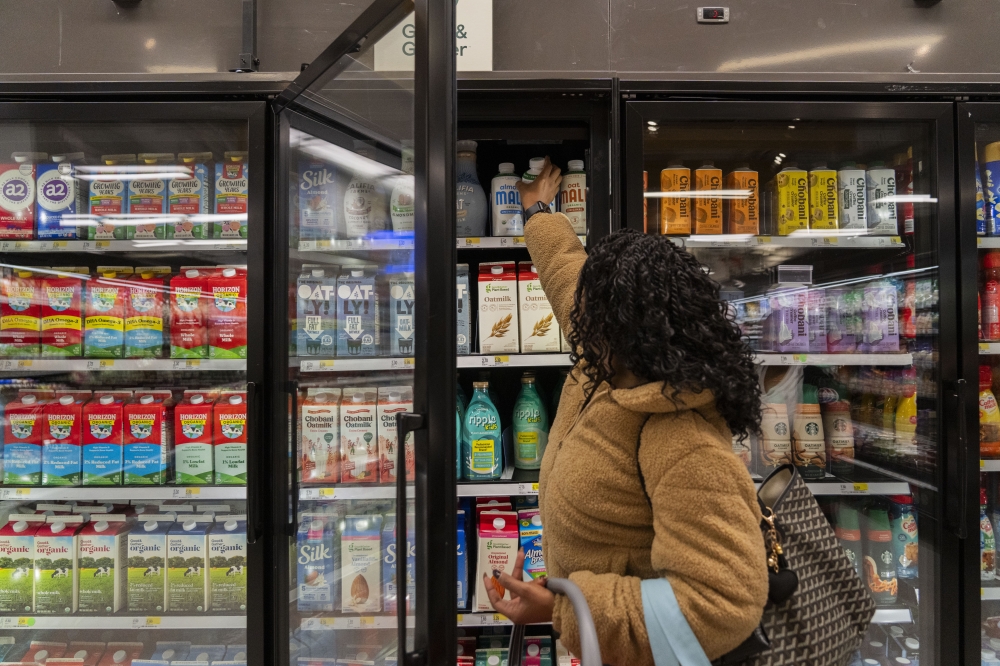





WASHINGTON — The Trump administration said Friday that it would lift tariffs on foreign products including beef, tomatoes, bananas and coffee, an effort to alleviate some of the price pressures consumers have faced since its global levies took effect.
The exemptions, which were made effective from Thursday, were applied to certain “reciprocal” tariffs that President Donald Trump announced on other countries’ exports in April. They walk back one of the president’s signature policies — the sweeping tariffs that he has suddenly paused, raised and lowered in recent months, causing chaos for trading partners and international businesses.
The White House said the tariffs were no longer needed, given the substantial progress it had made in its trade negotiations, including more than a dozen “framework deals,” final trade agreements and investment agreements. The United States said this week that it had agreed to deals with Switzerland, Argentina, El Salvador, Guatemala and Uruguay that would open up those markets for U.S. business.
But the steps also appear motivated by rising concern inside and outside the White House about consumer prices. Although Trump campaigned on lowering the price of groceries, continued elevated inflation has weighed on his approval ratings, and concerns about affordability helped propel Democrats to wins in elections across the country last week.
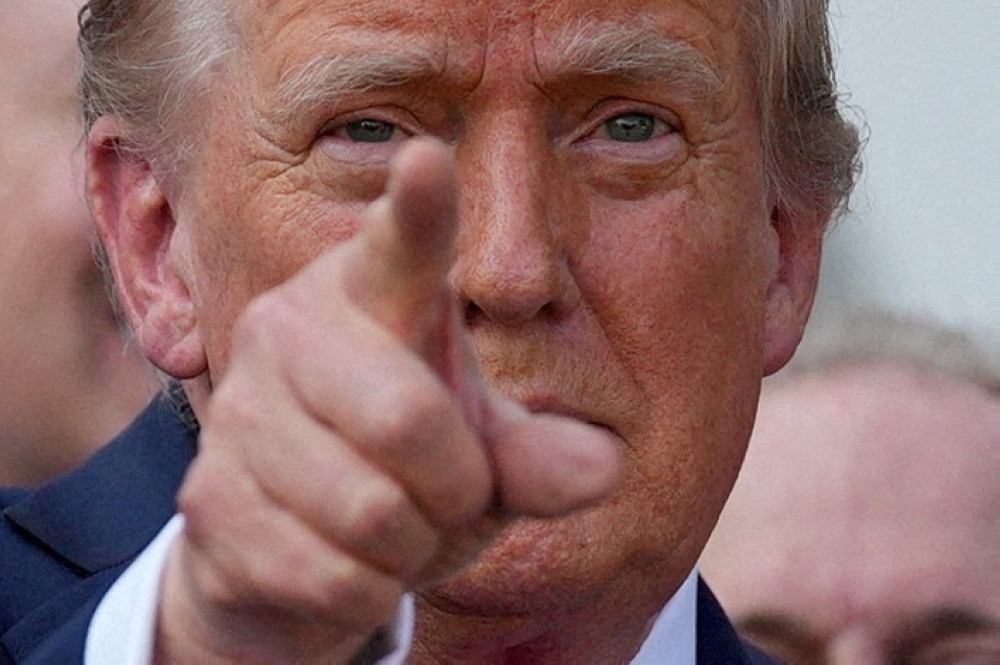
Asked Friday if he would make more changes to his tariffs, Trump said, “I don’t think it’ll be necessary. We just did a little bit of a rollback on some foods like coffee.”
In recent months, administration officials publicly discussed the idea of exempting goods that do not have major domestic U.S. producers, such as coffee or bananas, for countries that had signed trade agreements with the United States. But many of the exemptions announced Friday evening would apply to all “reciprocal tariffs” issued against foreign countries, not just those that have signed trade deals. The contents also appeared larger than expected, including some goods produced in the United States, including bread, beef and orange juice.
Some analysts said the administration’s move was a tacit admission that tariffs had pushed up prices in the first place — a basic tenet among economists that the administration has often denied or dismissed.
“Wait. If lowering tariffs lowers prices, what does raising tariffs do to prices?” Erica York, a vice president at the Tax Foundation, which has compiled estimates of the costs to consumers of the tariffs, wrote on social media.
“President Trump is finally admitting what we always knew: His tariffs are raising prices for the American people,” said Rep. Don Beyer, D-Va.
Administration officials, including Commerce Secretary Howard Lutnick, had argued for bigger exemptions in recent days to try to ease food inflation. But not all administration officials believed that creating such broad carve-outs was wise.
By offering relief for foreign countries that have made concessions in trade deals as well as those that have not, the exemptions could anger some trading partners. Tariff cuts could also upset domestic producers who are important sources of support for Trump, including ranchers and Florida tomato and orange growers.
Trump clashed with cattle ranchers in recent weeks, proposing to increase imports to bring beef prices down. Ranchers said the idea ran counter to the president’s “America first” philosophy.
The American Soybean Association put out a statement thanking Trump for exempting fertilizers used in soybean production. Other industries protested being left off the exemptions list.
The National Association of Manufacturers said in a statement earlier Friday that manufacturing inputs and machinery for American factories should not be subject to tariffs. After the Trump administration’s announcement, Chris Swonger, the CEO of the Distilled Spirits Council, said that not including European and British spirits was “another blow to the U.S. hospitality industry.”
Spirits such as Scotch, cognac, and Irish whiskey “are value-added agricultural products that cannot be produced in the United States,” he said.
All of the president’s “reciprocal” tariffs on foreign nations are under threat in a case before the Supreme Court. Officials are waiting to see whether the court will rule that Trump exceeded his legal authority in imposing those tariffs and strike them down. The administration has said it has other options to impose levies if that occurs.
Tariffs have acted with other forces to modestly boost food prices in recent months. Costs have risen more significantly for some products, like beef and coffee, the price of which has risen nearly 19% this year. That has been partly because of adverse weather, but tariffs of 50% on imports from Brazil and 20% on goods from Vietnam, major coffee growers, have added to the increase.
U.S. inflation has remained somewhat elevated and ticked up again in recent months, despite efforts by the Federal Reverse to bring it down. The central bank recently shifted to focusing more on maintaining the health of the labor market, after a rapid slowdown in monthly jobs growth.
The Trump administration has said tariffs would supercharge domestic investment and production, creating jobs. But many economists say tariffs have contributed to higher prices and slower economic growth, by raising costs for U.S. businesses.
Tariffs appear to have had a somewhat muted effect on goods prices this year, as businesses hesitated to pass costs down to their customers. But more of the cost of tariffs has been passed on to consumers in recent months. Goods inflation is on the rise, a change from last year, and prices have increased notably faster for goods that are subject to tariffs than for goods facing no levies.
Karim Azzaoui, who represents an importer of hazelnuts and cashews called Balsu USA and chairs the Association of Food Industries, said some commodities had risen so much in price that they had become unaffordable for lower-income shoppers. One example is olive oil.
“Now that the global prices are coming down this year, we tend to see that tariffs are artificially keeping prices high here,” Azzaoui said. “We didn’t see a drop in prices at the grocery level, because an American who is buying olive oil to improve their diet will still be priced out of the market.”
This article originally appeared in The New York Times.
Oman Observer is now on the WhatsApp channel. Click here