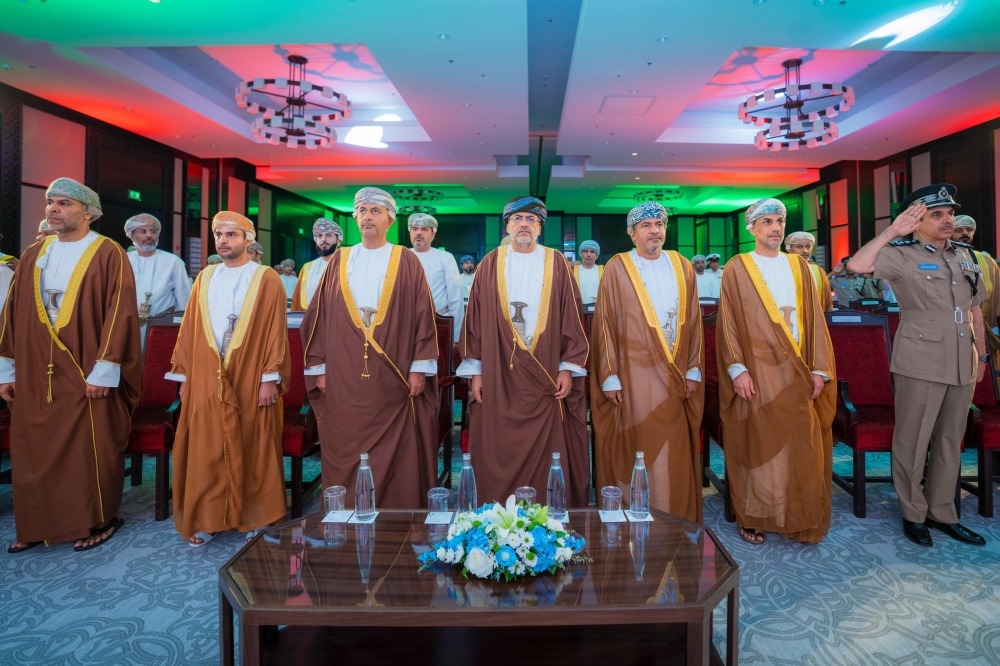
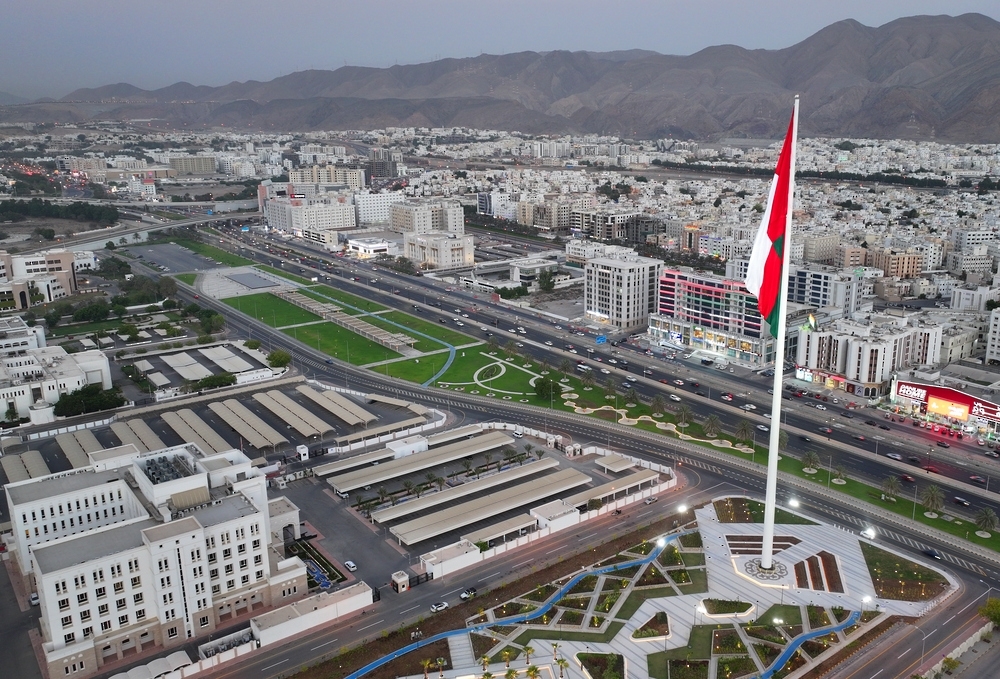
As Oman celebrates its National Day — a moment to honour a civilisation shaped by the sacrifices of its people and their unity around wise leadership. Since the historic turning point of 1970 under the late His Majesty Sultan Qaboos, Oman has embarked on a remarkable modern journey, now continued by His Majesty Sultan Haitham bin Tarik. With steadfast determination, His Majesty leads Oman’s transformation across politics, economics and human development, steering the nation safely through a world of shifting interests, fragile alliances and rapid change.
Through these challenges, Oman’s march of progress continues — its compass fixed firmly on the dignity and wellbeing of its citizens. The human being remains the essence and goal of every national effort. It is therefore unsurprising to witness His Majesty’s constant engagement on the world stage, representing Oman’s values of civility and progress. His visits to regional and international capitals have strengthened Oman’s economic, political and cultural presence, positioning it for sustainable growth and broader horizons.
Government efforts have yielded notable results on international indices. Oman advanced 20 places in the Corruption Perceptions Index, ranking 50th out of 180 nations; it rose more than 90 places in the Environmental Performance Index to 55th globally; climbed four spots in the Network Readiness Index to 50th; and improved its Economic Freedom score from 62.9 to 65.4. Indicators of governance, rule of law and institutional effectiveness have also shown steady progress, according to data published by the Foreign Ministry on March 15.
Equally significant is the royal directive to strengthen oversight institutions, notably the State Audit Institution. Its recent 2024 summary report sent a reassuring message to society: accountability applies to all. Citizens now hope to see stronger enforcement of integrity principles such as “Where did you get this?” — a crucial step in building public trust.
Standing on the threshold of a new phase in Oman’s modern history and inspired by the spirit of the National Day, it is appropriate to place certain economic policies under review — particularly those that directly affect citizens’ welfare, purchasing power and living standards. This suggestion does not undermine past achievements. Yet every national policy, by nature, carries the risk of unintended outcomes, often due to inaccurate data, poor timing or limited connection with the everyday realities of citizens.
Some policies have adversely affected the middle class and increased pressure on other social groups. The housing sector, despite new projects, remains challenged; employment opportunities and the minimum wage still require improvement. Utility tariffs, banking interest rates and service fees continue to strain household budgets. These issues touch daily life and therefore deserve careful attention.
The consequences are visible: rising living costs, growing financial burdens and social strains. Divorce cases exceeded four thousand in 2024, many small businesses have closed and numerous private companies have been dissolved — symptoms of economic stress that must not be ignored.
The essential question remains: do current policies genuinely enhance citizens’ quality of life, or do they deepen challenges? Economic growth figures alone cannot answer that. What matters is whether citizens feel relief and opportunity in their everyday lives.
Addressing unemployment and the needs of jobseekers requires more effective measures. The policy obliging business owners to employ nationals, while well-intentioned, has yet to generate sufficient jobs or stabilise the market for those laid off.
The time has come to reassess some of the economic approaches currently in place. Policies must serve the citizen before statistics, focusing on tangible wellbeing rather than fiscal convenience. It is both reasonable and responsible to call for a comprehensive policy review through the Council of Oman and other concerned institutions.
Such reassessment should aim to reduce the cost of living, expand employment prospects and align economic frameworks with social realities. Oman’s vision has always been guided by human dignity — a principle reaffirmed by His Majesty Sultan Haitham bin Tarik. True economic reform will be achieved when policy reflects that principle: when numbers serve people, not the other way around.
Yahya al Aufi
The writer is an Omani columnist
Translated by Badr al Dhafari
Oman Observer is now on the WhatsApp channel. Click here