In 1982, Unesco convened the World Conference on Cultural Policies and Sustainable Development, producing one of the most comprehensive definitions of culture. It described culture as the “set of distinctive spiritual, material, intellectual and emotional features of society,” encompassing more than heritage, literature or art. It includes the ways of life, systems of value and collective imagination that shape communities. This vision placed culture at the heart of sustainable development rather than at its margins.
As global transformation accelerates — driven by digital change, creative economies and environmental challenges — the role of culture has become even more critical. The cultural sector must adapt to new technologies, preserve heritage in digital form, and strengthen its ethical and economic frameworks. Integrating culture into sustainable development policies has therefore become essential, ensuring that its social and economic benefits are fully realised.
Although calls to align cultural policy with development goals emerged decades ago, culture has often been treated as a decorative or social complement rather than a developmental force. The challenge lies in transforming it into an independent driver of innovation, resilience and wellbeing.
When Unesco included culture in the 2030 Agenda for Sustainable Development, it appeared only indirectly — under Goals 4 and 11 — on education and sustainable cities. The reasoning was that culture runs through all seventeen goals, forming the ethical and creative base upon which social, economic and environmental progress depends. Preserving heritage, nurturing creative industries and safeguarding cultural diversity are essential to tackling issues such as climate change, poverty and digital equity.
Recognising this interdependence, Unesco recently released its first global report on cultural policies titled “Culture: The Missing Link in Sustainable Development Goals.” The report fulfils a commitment made at the 2022 World Conference on Cultural Policies and Sustainable Development, which promised a global review every four years. It represents a milestone in establishing a shared international framework for cultural governance and in recognising culture as an independent pillar of development.
The report describes the current global landscape of cultural policy as fragmented, marginalised and secondary. It calls for an integrated, cross-sectoral and forward-looking strategy that could pave the way for culture to become a distinct goal in the post-2030 development agenda. Such recognition would strengthen investment in the cultural sector and enhance its social and economic value worldwide.
While many nations now include culture in their development plans, results remain inconsistent. Unesco’s report reveals that although 93 per cent of countries view culture as vital to national strategies, only 80 per cent acknowledge its economic contribution, and just 77 per cent recognise its role in innovation. The gap between cultural recognition and tangible outcomes remains significant.
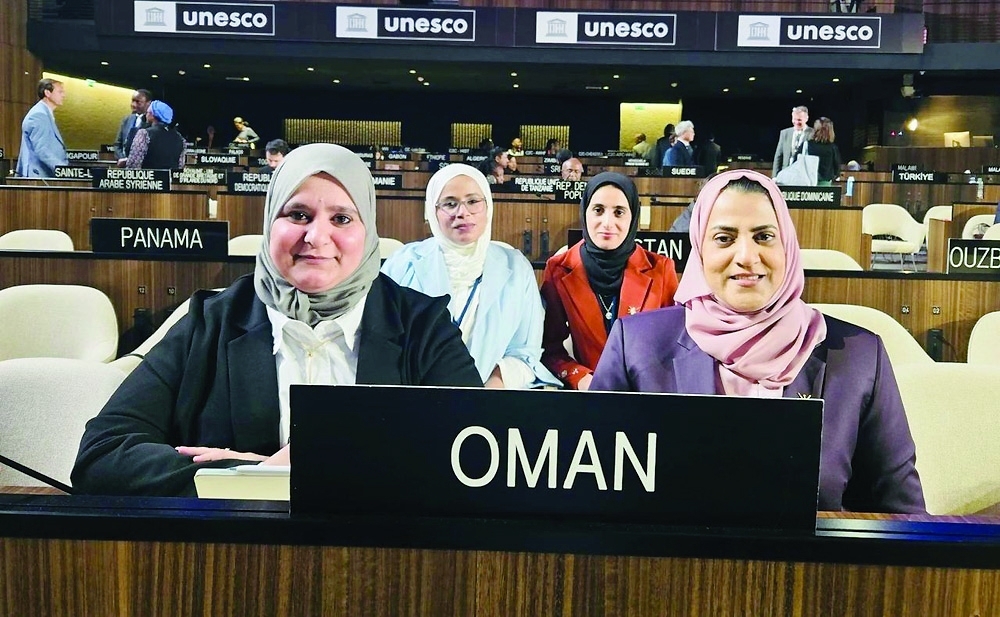
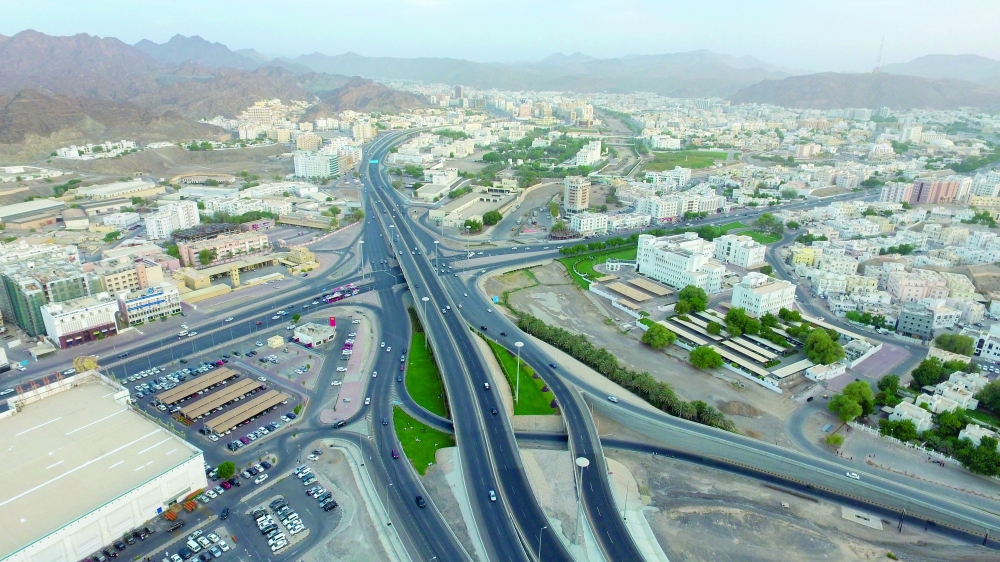
Culture, as a catalyst for transformation, must be treated as a national priority. In Oman, this is evident through the Basic Law of the State, Oman Vision 2040, and the national cultural strategy — all affirming culture’s developmental significance. Yet this recognition should translate into measurable results: thriving creative industries, expanding cultural enterprises and an economy enriched by local innovation.
Investment in culture requires stronger governance and clearer frameworks that link creativity to economic performance. Despite commendable efforts and talented professionals, the sector needs more direct pathways for innovation — programmes that empower creators themselves and turn their work into investable opportunities.
Culture as an economic engine cannot thrive on symbolic support alone. It needs a dedicated national investment framework that treats cultural production as a strategic enterprise. With its vast diversity — from heritage and design to cinema, literature and digital arts — culture can drive development by aligning with technology, environmental goals and social wellbeing.
Global experience shows that investing in culture and creative industries generates employment, supports small and medium enterprises, empowers women and youth, and enhances social welfare. It is therefore time to view culture as a central opportunity for growth. That requires modernised investment policies, creative digital transformation and real partnerships between the cultural, commercial and investment sectors.
Culture remains the living link between all pillars of sustainable development. No society can thrive without a strong cultural foundation that inspires individuals, energises communities and reinforces national identity. Achieving this depends on empowering the cultural sector economically and positioning it as one of the leading engines of diversification and human progress.
Translated by Badr al Dhafari. The original version of this article was published in the Oman Arabic newspaper on November 09, 2025.
Aisha Al Darmaki is a researcher in semiotics and a member of the State Council.
Oman Observer is now on the WhatsApp channel. Click here