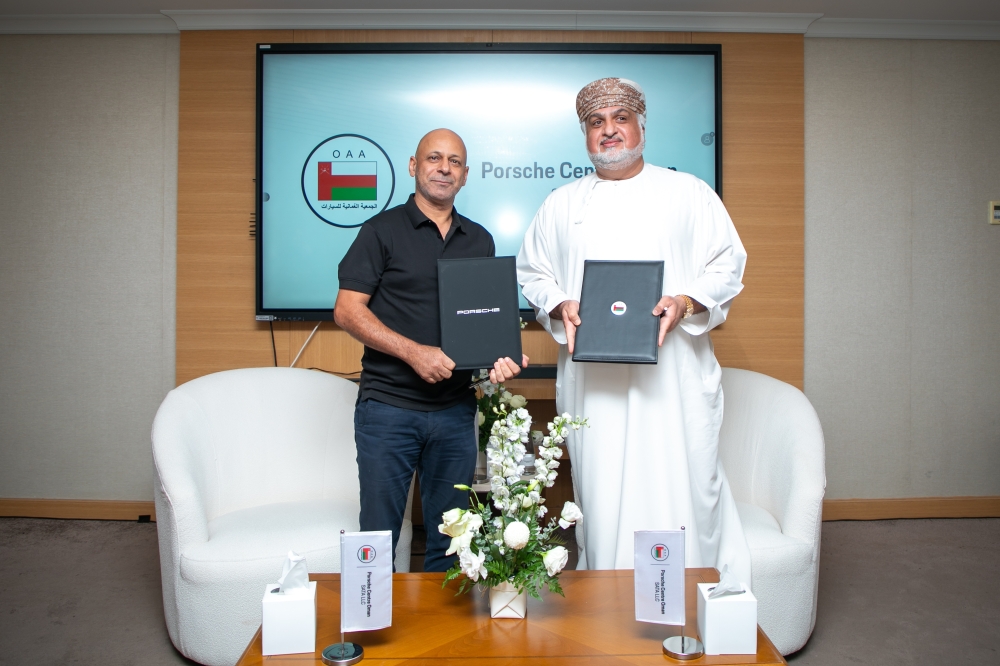
Hardly a week passes in Oman without a headline announcing a new investment project or strategic partnership with a global company. Photos of signing ceremonies and polished boardrooms send a clear message: Oman is open for business.
Yet away from that spotlight, between the public narrative and these private calculations, a question emerges: when we talk about “economic transformation” in Oman, who is really at the centre — the foreign investor or the ordinary citizen?
In recent years, Oman has moved to rebuild its social protection system while bringing public finances under control. Pensions, child allowances and support for vulnerable groups are being brought into a single framework and a fiscal sustainability programme aims to curb deficits
The principle is clear: reform and subsidy rationalisation must go hand in hand with a stronger safety net and better-targeted spending on essential services. This links discipline with fairness by redirecting part of the gains from reform towards low- and middle-income households.
Oman’s In-Country Value policy is designed to ensure that money spent by large investors does not simply pass through the economy.
Each Rial Omani invested is supposed to translate into jobs for Omanis, contracts for local firms and opportunities for domestic supply chains. The ambition is not symbolic localisation but the building of real capabilities and giving small and medium enterprises a meaningful role in major projects. It is a strong model, but it is tested away from the ceremony stage, where smaller firms may ask whether they receive a fair chance to compete for tenders and whether Omanisation and knowledge-transfer commitments are enforced over the life of a project.
National investment and development funds add another layer. By directing capital into priority sectors, Oman is not only seeking to grow state assets; it is also trying to anchor more value inside the country and create jobs along value chains.
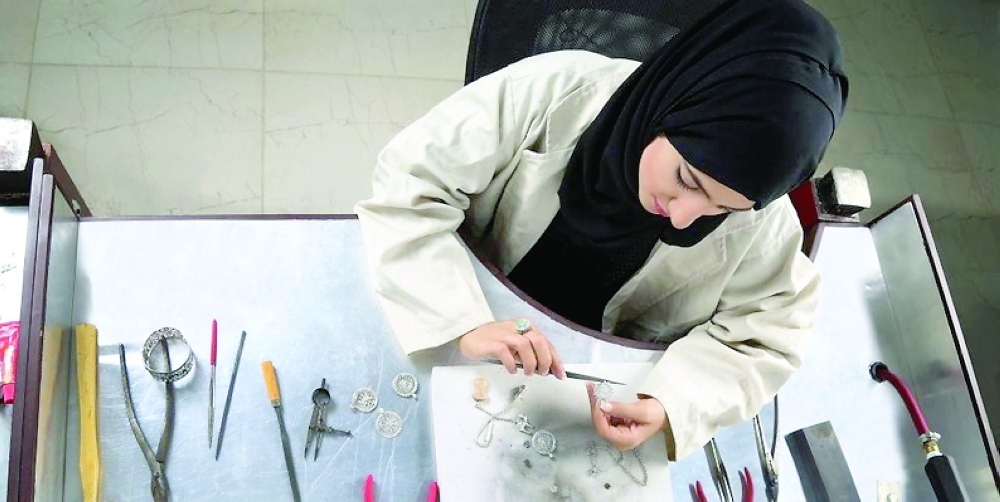
When part of this capital is channelled towards SMEs and start-ups through loans, equity and guarantees, sovereign wealth stops being a distant figure and becomes an engine of opportunity — but only if entrepreneurs can access it through transparent and predictable processes.
As Oman moves into a new phase of taxation, particularly on companies and higher-income groups, one principle becomes central: those with greater capacity should carry a larger share of the burden. Such measures can ease pressure on the middle class and shield lower-income families, but only if people see a credible link between what they pay and the services and prospects they receive in return. If that link is weak, tax policy risks being seen as another cost rather than part of a shared national project.
Taken together, these strands show that Oman has not simply opened its doors to foreign investors and forgotten its own people. There is a clear attempt to balance major projects with social cohesion and economic justice. Yet justice is not achieved in a single law or plan; it is a process measured by trust. The test for the coming years is whether Oman can move from being “an economy that attracts investment” to becoming “an economy in which every new investment clearly translates into a new opportunity for the citizen and their family”.
When that shift is felt in homes and workplaces as clearly as it appears in signing ceremonies, the foreign investor will still win and the state will still win — and the ordinary citizen will stand not at the edge of the story, but at its centre.
Oman Observer is now on the WhatsApp channel. Click here