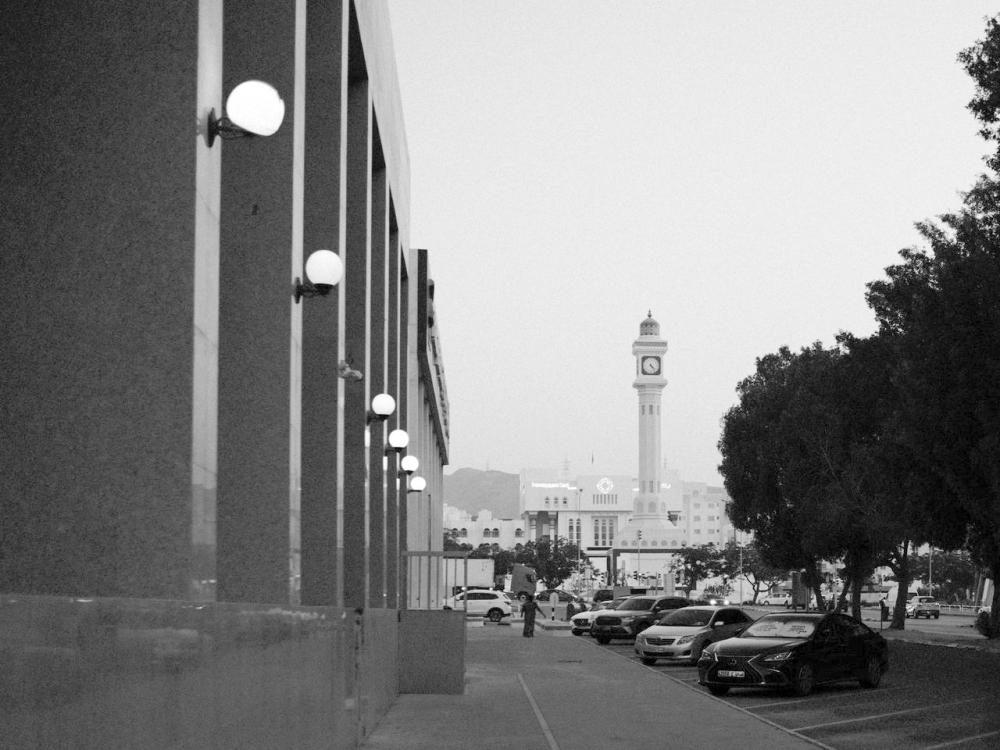





Ruwi wakes slowly, its shops pulling up their shutters with metallic yawns, early workers weaving through the soft morning haze and the area’s old streets stretch into another day. It is a place most people rush through without thought, familiar yet overlooked, practical yet layered with unspoken memories. But on this particular morning, something unusual stirred in its narrow alleys as a small group of photographers gathered at the edge of the district, cameras ready, eyes bright with curiosity. They were not here to document buildings or collect snapshots, they were here to listen, to discover stories hiding in the corners that the hurried eye never sees.
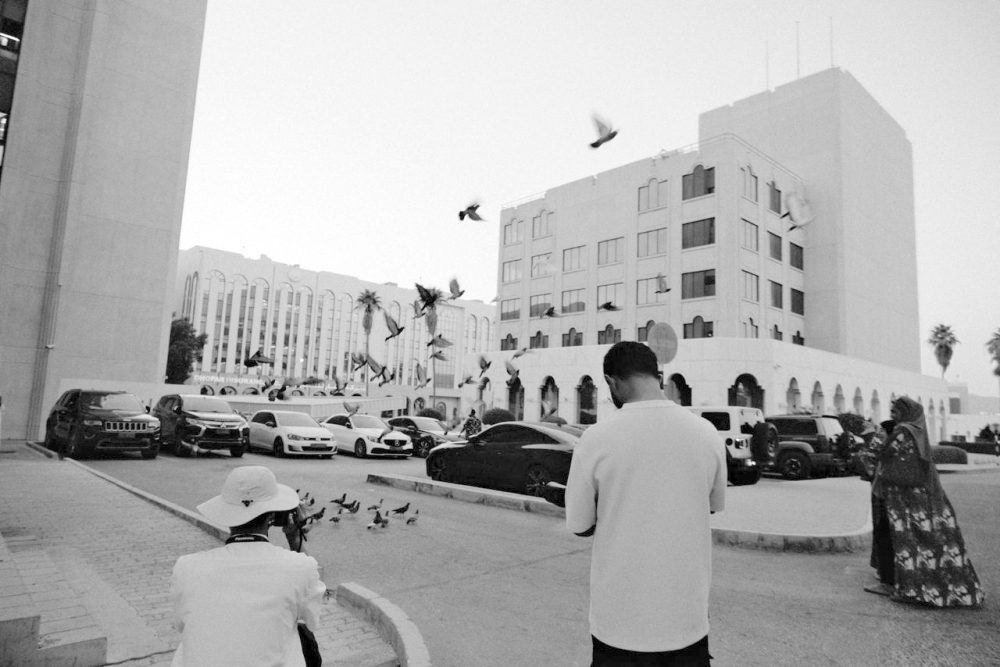
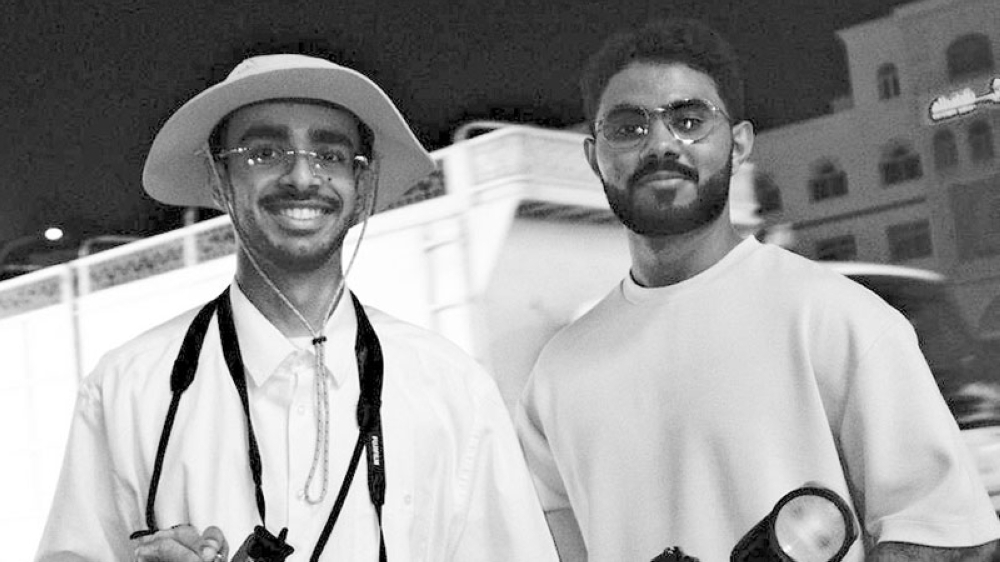
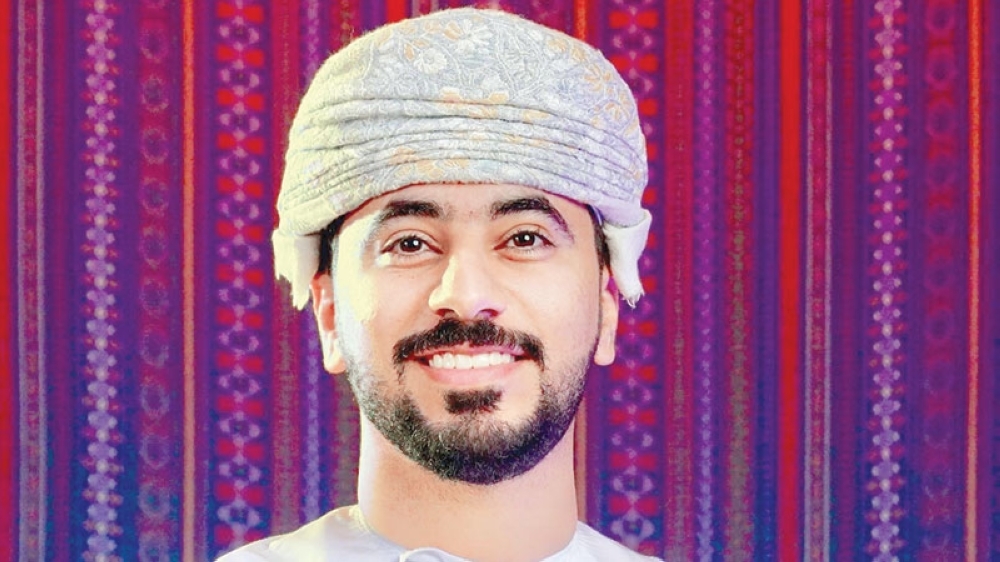
This was the beginning of “Ruh Ruwi” (The Soul of Ruwi), a photography exploration adventure with more than twenty-two photographers organised by ThirtySix, a creative collective that believes photography is not only about the image captured, but the memory preserved. “We wanted participants to live an experience that blends art, photography and place”, says organiser Sanad bin Mohammed al Shukairi. “People pass these streets every day without noticing their stories and our role is to bring those stories back to light”.
To shift the perspective even further, the team asked each participant to take only one photograph, in black and white, paired with a short caption to be read thirty years from now, something as indelible as a time capsule. A simple instruction, yet powerful. Without colour, the image must rely on its emotional truth, on texture and shadow, on the quiet honesty of the moment. The goal was not to record what Ruwi looks like today, but to capture what it feels like.
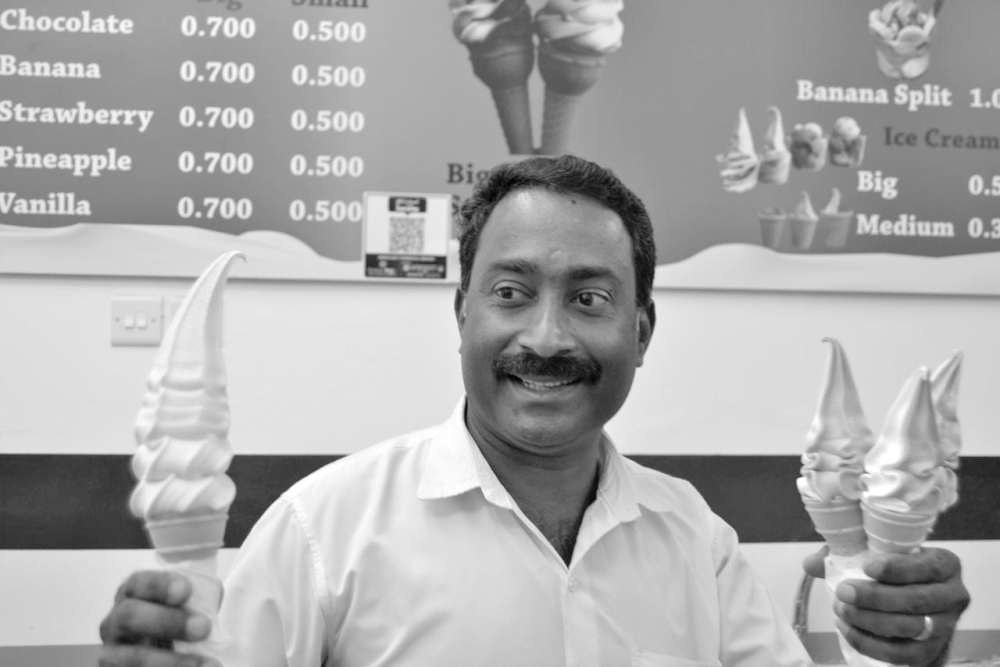
The route was designed with intention and care, leading the group through Masjid Abdul Ridha Sultan with its distinctive architecture, past Star Cinema, the communications tower, the clock tower and into the vibrant shop of Softie Ice Cream. Every turn revealed something familiar that suddenly looked different through the eyes of someone truly paying attention. A faded sign, a rusted balcony, a shop opening for the day, a stray cat warming itself on a sunlit tile, everything seemed to whisper a piece of Ruwi’s long breathing history.
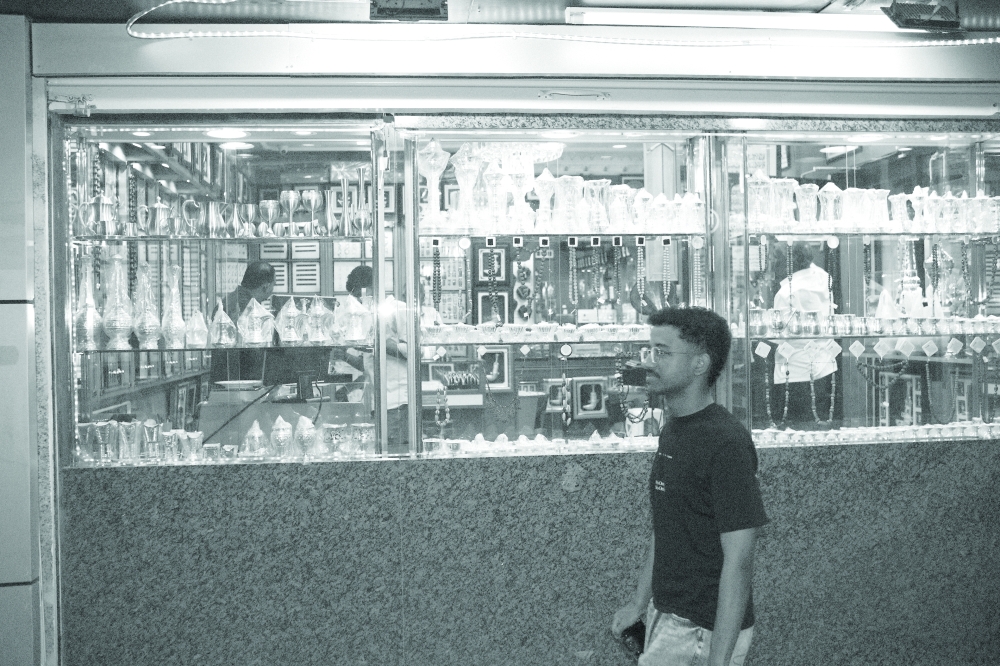
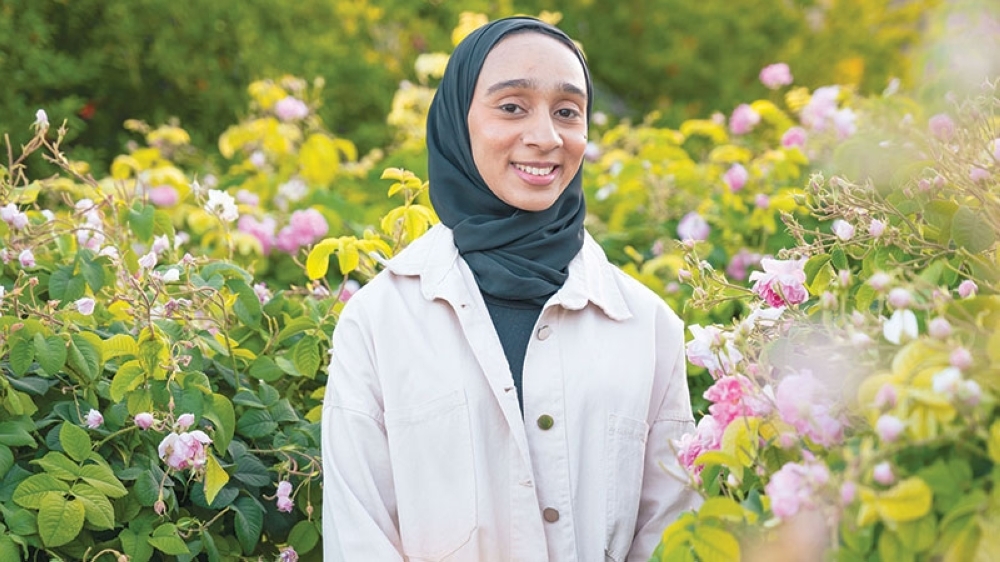
For many participants, it was their first time seeing Ruwi in this way. For others, the walk awakened memories they didn’t realise they still carried. Rudaina bint Khalfan al Rawahiyah, who won first place in the challenge, described the experience as unexpectedly profound. “I came to capture architecture and people’s lives, but I ended up discovering a deeper perspective”, she said. “Ruwi turned out to be the perfect place for both, every corner held a story”.
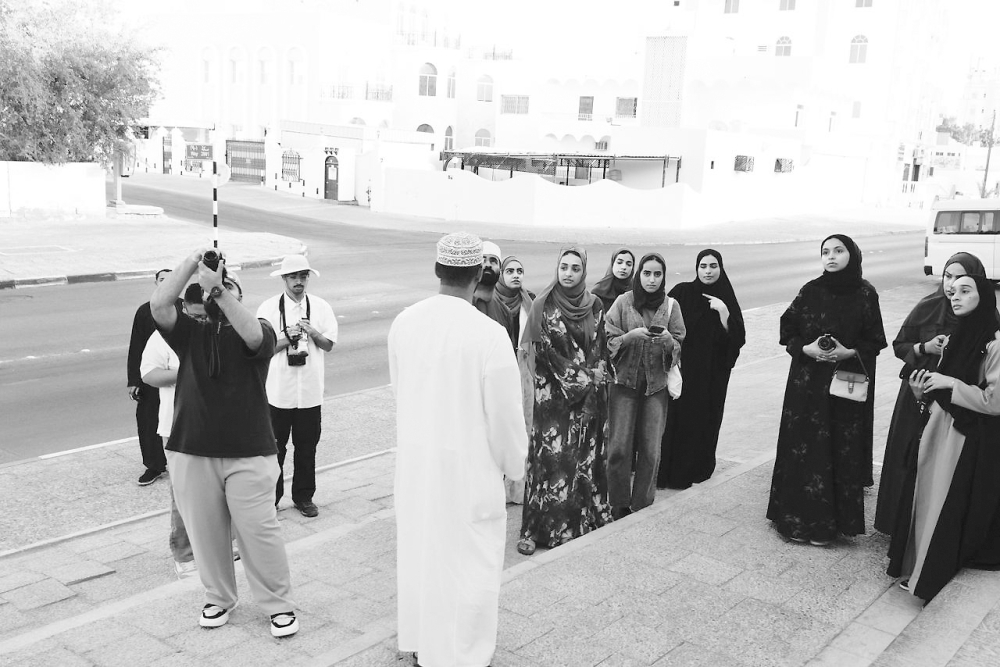
Another participant, Qais bin Abdullah al Ma’shary, expressed the feeling in a way only someone immersed in the moment could. “In every corner of Ruwi, there was a tale”, he said. “We felt the spirit of the place and its people, even the commercial blocks had hidden beauty once we looked closely”. The group moved together in an unspoken rhythm, exchanging lenses, learning from one another, pausing at beams of light or shadows that formed unexpectedly on a wall. Sometimes a single detail stopped the entire group, compelling them to raise their cameras as though capturing something fragile that might disappear at any second.
As the afternoon sun softened and the colours of the skies settled into calmer tones, the atmosphere shifted again. Ruwi became gentler, more revealing. Some photographers focused on the tenderness of everyday life, a merchant pouring tea, a young boy weaving between shops, a quiet doorway worn by time. Others were drawn to the architectural bones of the place, the repeating arches, the concrete lines softened by age, the way shadows sculpted poetry along the walls. These images were no longer simple photographs, they became emotional documents, moments suspended between past and future.
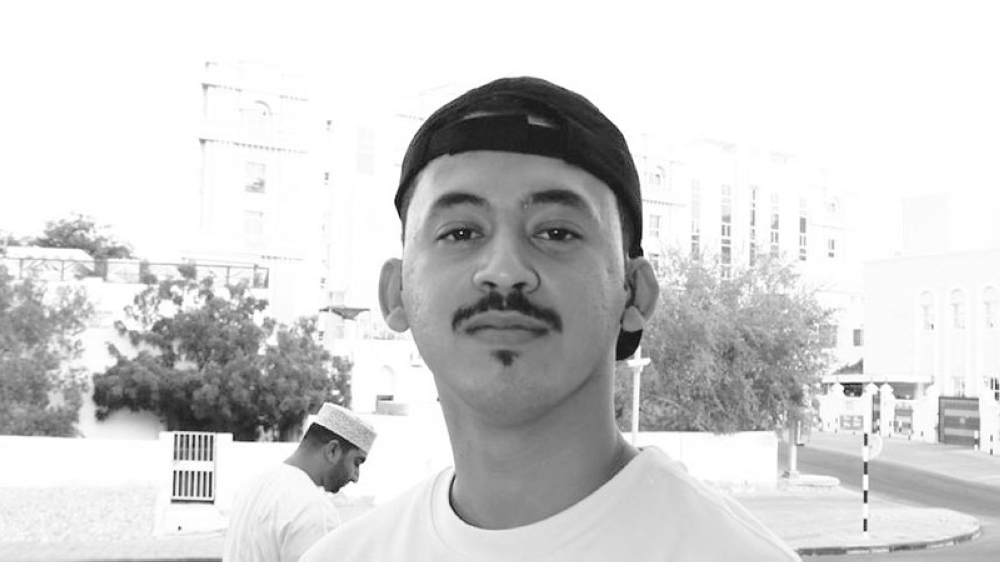
“Ruh Ruwi” was not just a walk, it was an act of slowing down, of reconnecting with the city through patience and curiosity. For ThirtySix, it was a reminder that Oman holds countless untold stories waiting to be rediscovered. The group plans to continue these creative journeys across Muscat and beyond Oman, expanding into drawing, music and architectural sketching, because creative expression, they believe, is a thread that brings people together.
The message that lingers after this experience is simple. Look up the next time you walk through an old neighbourhood. Notice the cracked paint, the soft shadow of a window, the quiet beauty of a familiar street. Every city has a soul, but only those who take the time to listen will ever hear it. In the photographs captured that day, the heart of Ruwi lives again, quietly, honestly and beautifully alive.
Oman Observer is now on the WhatsApp channel. Click here