It is encouraging to see schools in the conflict-ravaged Gaza Strip reopening, with children gradually returning to their classes despite significant challenges such as a shortage of adequate classrooms, textbooks, notebooks and other supplies.
Reports quote UN Palestine refugee agency UNRWA Commissioner-General Philippe Lazzarini as saying that the agency is expanding its “Return to Learning” programme in Gaza, offering both in-person and online education.
She said that more than 25,000 schoolchildren had already joined the agency’s “temporary learning spaces,” while approximately 300,000 would participate in online classes. She added that “8,000 teachers are contributing to the provision of these services to the children of Gaza who have suffered the ravages of war.”
The education system plays a crucial role in strengthening Palestinian identity. It serves not only as a means of acquiring knowledge but also as a vital tool for the survival of the Palestinian people. Additionally, it is regarded as one of the fundamental elements that bolster their resilience and resistance to the Israeli occupation.
Nonetheless, the conflicts have shattered those dreams through widespread destruction. Palestinians have been profoundly affected by the devastation in Gaza and the disruption of education. Reports indicate that parents striving to create a safe learning environment for their children are currently experiencing significant mental stress.
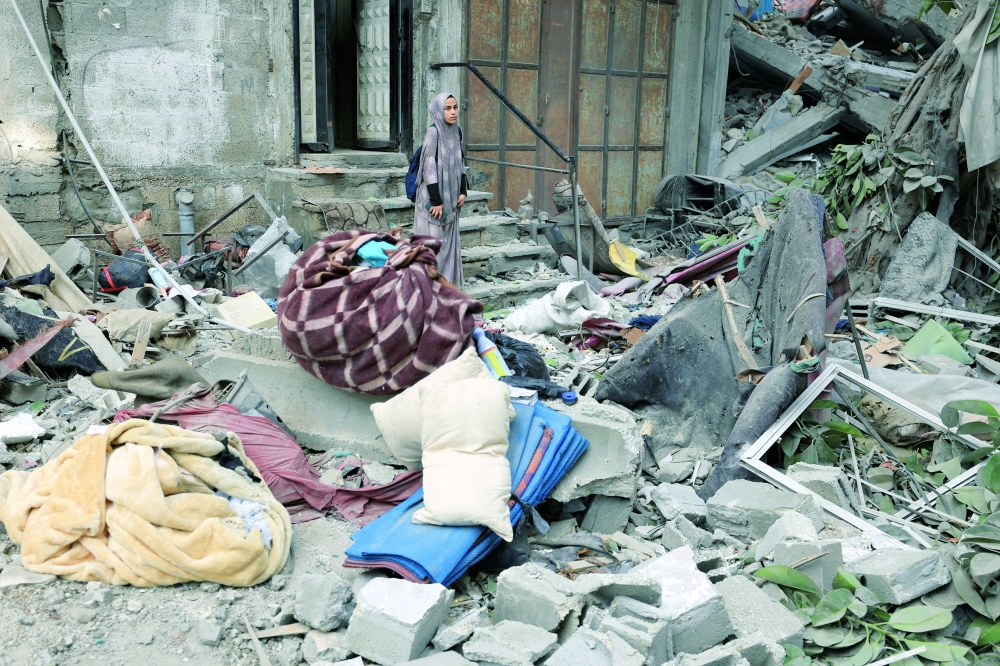
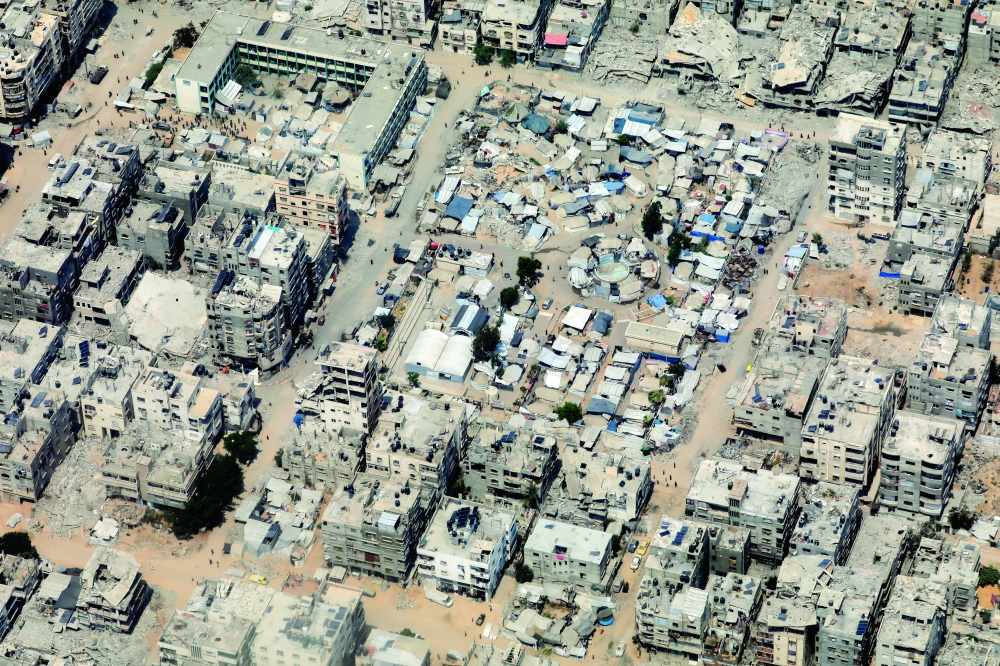
Between 90 and 97 per cent of school facilities in Gaza have been damaged or completely destroyed. All 12 universities in Gaza have also suffered significant damage or destruction. The few remaining buildings are often used as shelters for displaced families, making them unsuitable for educational purposes.
This is despite the fact that attacks on schools constitute a grave violation of children's rights during conflicts.
Thousands of students and educational staff have been harmed or have lost their lives. By late 2024 and early 2025, reports indicated that more than 12,000 students and 490 education staff members had died, with many others injured or suffering from permanent disabilities.
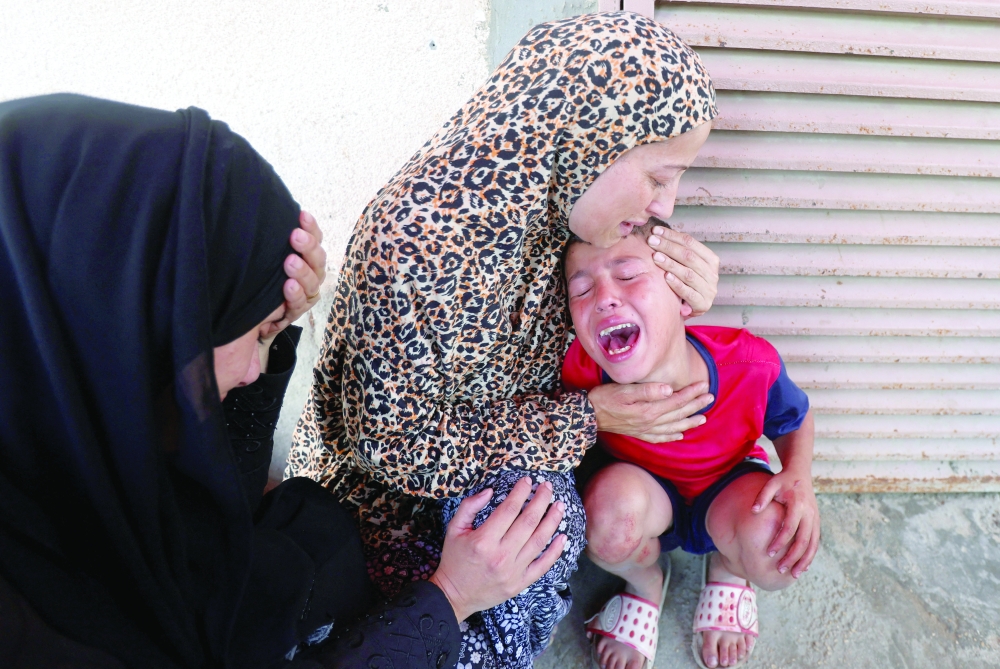
The intense violence, upheaval, and loss of loved ones and homes have inflicted profound psychological trauma on nearly all children in Gaza. This trauma significantly impairs their ability to concentrate, learn, and maintain a sense of normalcy, hindering any potential academic progress.
Those students who are expected to go to school carry significant responsibilities well beyond their age. Survival takes precedence over education, as numerous young people are now found working in markets and on streets or waiting in line at soup kitchens for small food and water portions.
In some cases, they have become the primary providers for their families after Israeli military operations resulted in the deaths of their relatives. This situation highlights a harsh reality: it is not only the loss of educational opportunities but also the lack of security and stability that adversely impacts learning.
If education in Gaza represents the only hope for survival, it critically requires both local and international support. There is an urgent need for adaptable and innovative educational systems that can respond to wartime conditions and ensure continuity, whether through online platforms or creative programmes. The remaining schools require immediate restoration.
Without increased funding and greater access to learning, structured play, and other forms of support, the long-term repercussions for Gaza’s next generation will only worsen.
Therefore, global organisations must provide essential assistance to rebuild Gaza's educational institutions and ensure consistent academic support. They should also supply the necessary tools to facilitate online education.
This initiative should prioritise creating a safe and sustainable learning environment that allows children to grow and thrive despite challenging and constantly changing conditions.
Oman Observer is now on the WhatsApp channel. Click here