




AFRAH AL BALUSHI
MUSCAT, NOV 2
Oman has issued the Law on the Rights of Persons with Disabilities, aimed at ensuring empowerment, integration and participation in sustainable development.
The law guarantees persons with disabilities full rights without discrimination, in line with national policies and international agreements. It seeks to promote equal opportunities across education, employment, health and social participation while strengthening protection and care frameworks.
According to the Ministry of Social Development, the law consists of 77 articles across five chapters, covering definitions, general provisions, civil and human rights, rehabilitation, the National Committee for Persons with Disabilities and penalties.
Hamoud bin Mardad al Shabibi, the ministry’s spokesperson, said the new law reflects His Majesty Sultan Haitham bin Tarik’s commitment to safeguarding the rights of all citizens and advancing the services offered to people with disabilities. “This law enriches Oman’s legislative system, aligning with international standards and ensuring inclusion across all aspects of life,” he said.
The law defines a person with a disability as anyone facing long-term physical, mental, intellectual, sensory, or social impairments that hinder their full participation in society. It guarantees protection from all forms of exploitation and discrimination, ensuring independence, dignity and equal access to opportunities.
A National Register for Persons with Disabilities will be established, with official identification cards issued to those registered. Government entities are required to provide sign language interpreters, Braille-compatible digital services, and allocate financial resources to enhance accessibility.
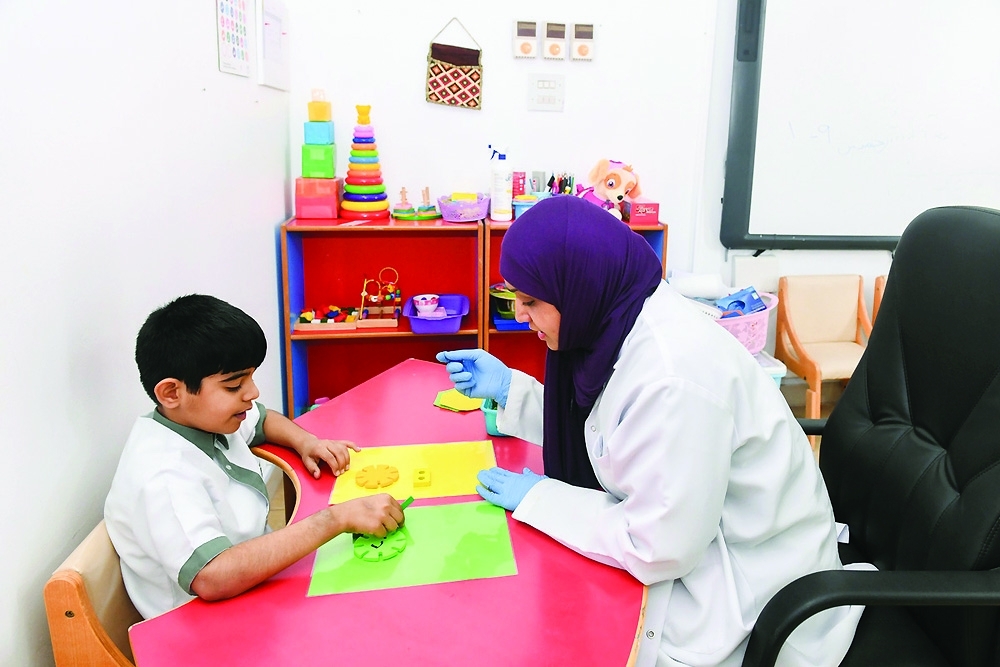
Education receives special focus, guaranteeing persons with disabilities equal access to all levels of learning. The law mandates inclusive education programmes, scholarship allocations and specialised support for learners aged 4 to 22.
In healthcare, it ensures access to preventive, therapeutic and rehabilitative services, including maternal care for women with disabilities. Authorities must conduct early screening for genetic disorders and provide essential medical equipment.
Economically, the law grants customs and tax exemptions on aids, equipment and vehicles for persons with disabilities, as well as fee waivers for legal cases and construction permits for accessible facilities.
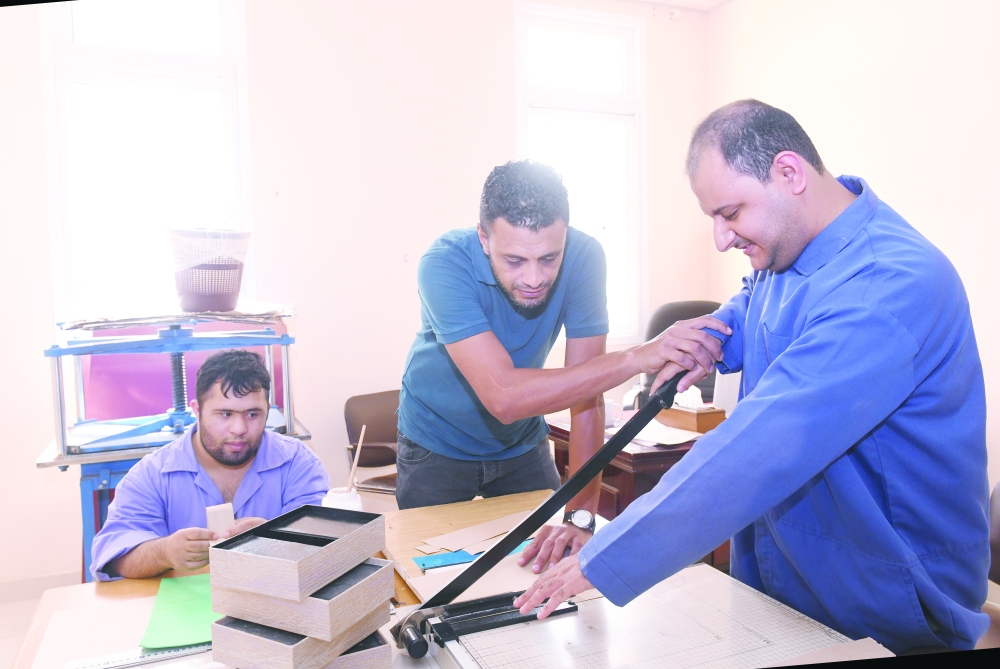
Employment provisions reserve 5 per cent of jobs in public and private institutions with over 40 employees, along with reduced working hours for employees with disabilities or their caregivers.
Socially, the law affirms the right to marry and form a family, prohibits child-parent separation on grounds of disability, and ensures priority access to land, housing and monthly stipends.
A National Committee for Persons with Disabilities, chaired by the Ministry of Social Development, will oversee the implementation of national strategies to ensure continuous empowerment and inclusion.
Oman Observer is now on the WhatsApp channel. Click here