




ANA MANO & ADRIANO MACHADO
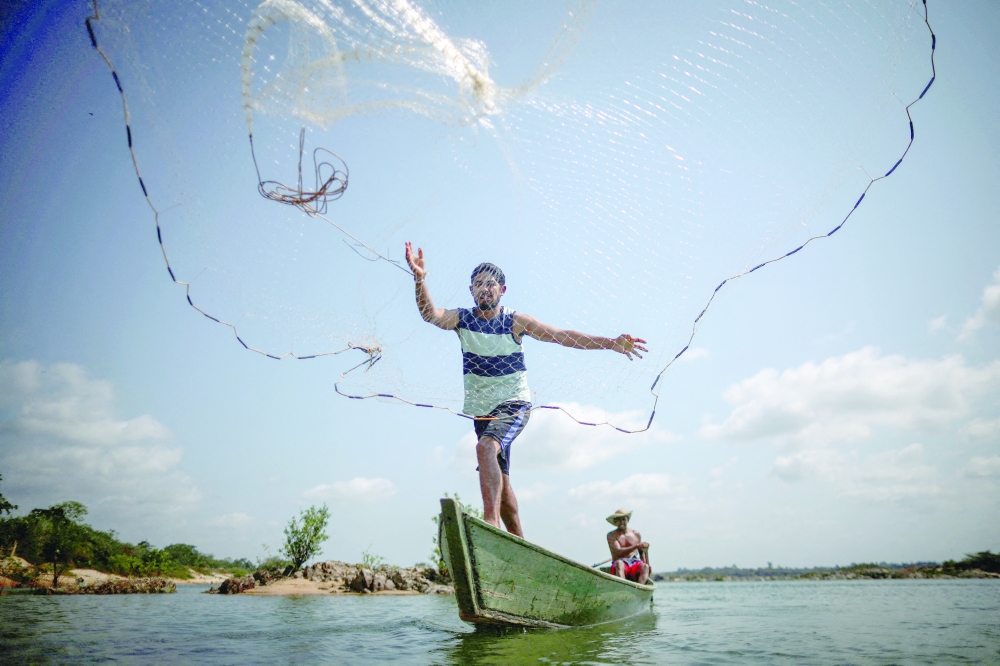
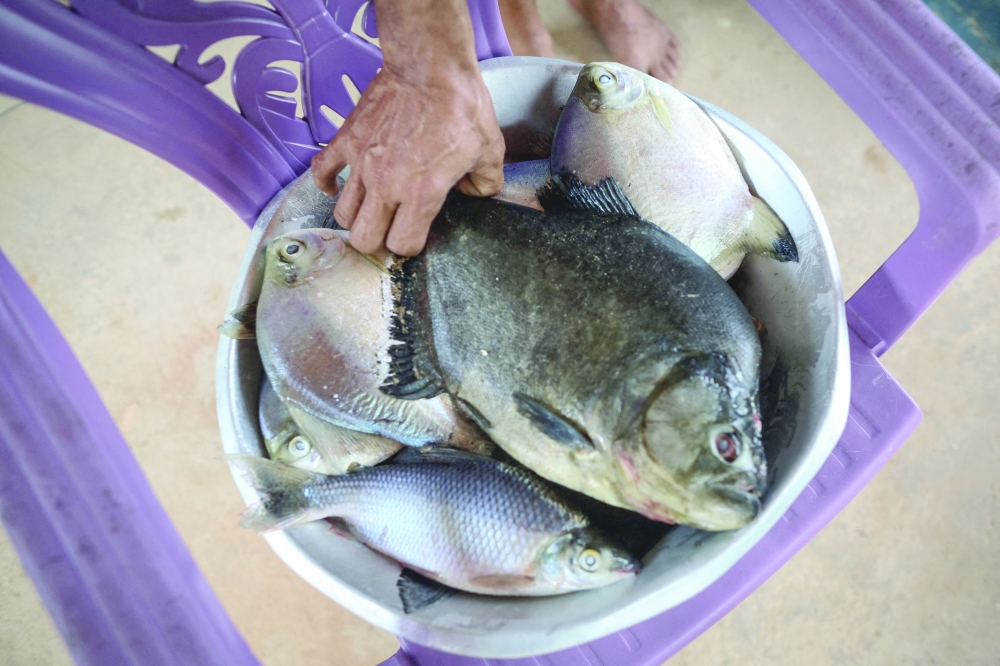
A narrow skiff slides among massive rocky outcroppings on the Tocantins River, where the catfish and peacock bass throng in the eddies during the waxing moon. For most of his life, Welton de Franca has fished like his father before him among these rocks on one of the largest tributaries in the Amazon Basin.
Brazil’s government now wants to blow them up.
Regulators have given the green light to blast a channel through 35 km of rocky rapids, turning this sleepy stretch of the Amazon rainforest into an expressway for Brazil’s booming tropical farm belt.
Opening the Araguaia-Tocantins riverway to barges year-round could clear the way for soy and corn exports through the Amazon Basin to rival the Mississippi River, cutting freight costs and cementing Brazilian supremacy in the global grains trade.
Federal prosecutors, however, are trying to halt the $7.3 billion project, including another 110 miles of dredging, as they urge courts to consider impacts on riverside communities.
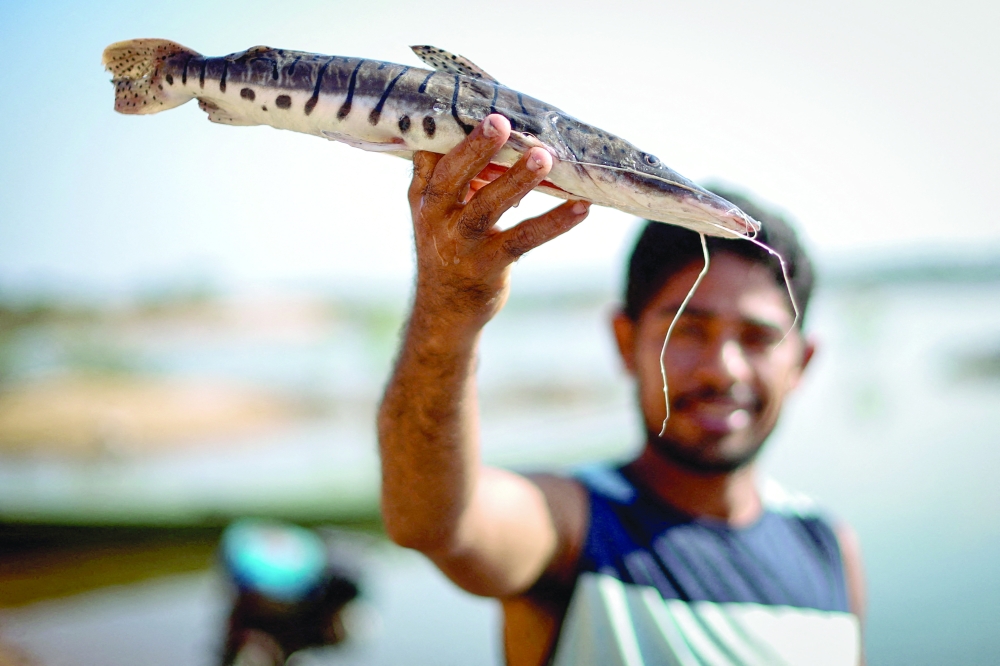
“We can’t go anywhere without our boats. We live from the fish”, said Franca, whose family settled on an island in the river overlooking the rocks when he was 12.
During legal hearings on site in late September, his father and neighbours told three visiting magistrates they worry about hazardous boat traffic replacing their fisheries.
Franca’s father ferries his two grandchildren across the river every day to school. Neighbours in the village of Tauiry cross daily in the other direction to harvest babassu coconuts.
Researchers including Alberto Akama, from the state-funded Emilio Goeldi Museum, warn the river’s biodiversity would also suffer if blasting destroys these rare rapids, where endangered fish gather, turtles breed and river dolphins feed.
Brazilian environmental agency Ibama authorised blasting outside the most sensitive reproductive and migratory seasons, with provisions to monitor and relocate turtle nests.
Transport infrastructure agency DNIT said teams will work to scare animals away from the rocks before blasting.
For advocates including Governor Helder Barbalho of Para state, the advantages of cheaper and cleaner freight far outweigh any drawbacks.
“The state of Para believes it is possible to reconcile environmental preservation with economic development,” he said.
Brazil’s government has forecast that the Araguaia-Tocantins riverway could start carrying some 20 million metric tonnes of corn and soybeans to northern river ports each year, cutting down on long, polluting truck trips.
The impact on emissions, however, is not so simple, as delegations will discuss over 500 km downriver in Belem in November during the United Nations COP30 climate summit.
Brazil’s main source of greenhouse gases is deforestation, as vast swathes of the Amazon rainforest and neighbouring Cerrado savannah are cleared each year for farmland and ranches.
Nowhere is that farm frontier advancing faster than the so-called Matopiba region around the Araguaia and Tocantins rivers — a trend that cheaper shipping can only encourage.
Maria de Sousa, one of several women in Tauiry who harvest babassu coconuts to crack open and produce cooking oil and flour, said their way of life is already threatened by encroaching farms.
Neighbours have been poisoning the area’s coconut palms as they expand their ranches and farms, forcing the women to cross the river to fill sacks with the small coconuts, she said.
“If they open the waterway, we won’t be able to collect the coconuts”, said Sousa. “They say the babassu is a plague... but for us coconut crackers, it is survival”.
New infrastructure at Brazil’s northern river ports over the past decade has been key to the Matopiba grains boom. River barges are around 60 per cent cheaper than road freight for medium- and long-distance shipping, said logistics expert Thiago Pera.
Brazilian researchers at the Climate Policy Initiative, a think tank, have found that even investments in less-polluting transport infrastructure such as rail and waterways can drive indirect emissions by spurring deforestation to create farmland. — Reuters
Oman Observer is now on the WhatsApp channel. Click here