




Along the rugged Dhofar coastline, about 430 km from Salalah, lies Sharbathat — a peaceful fishing village that reflects the calm and beauty of Oman’s southern coast. Beyond its pristine shoreline, the village harbours stories as ancient as the rocks themselves.
In a secluded cove known as Manji, local legend speaks of a rock formation said to contain locks of human hair.
Known as ‘the local barber’, the site was more than a place of grooming; it was a sacred ritual space. Ancient Dhofar customs often associated rocks, sea caves and springs with spiritual power or the presence of jinn. Cutting one’s hair here was symbolic — a thanksgiving offering, meant to honour the spirit of the place and forge a lasting bond with the land.
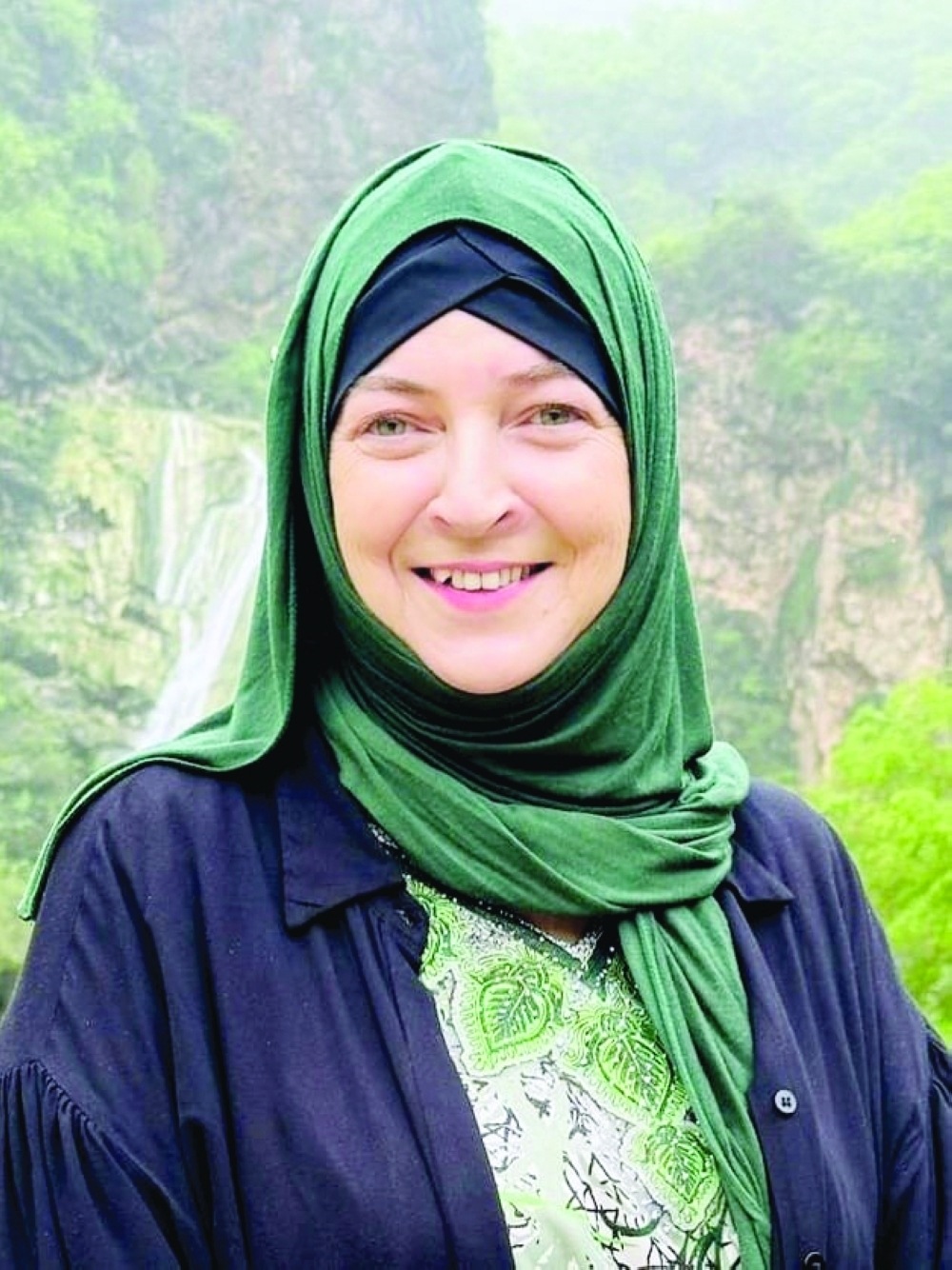
“Though no written records exist, the Manji Rock stands as a testament to Dhofar’s rich oral traditions, where the sacred manifests in unexpected ways”, notes Italian traveller Cristina Collodel, who has lived in Salalah since 2018. “Visiting Manji, you feel the whispers of generations — the rituals, the care, the respect for nature. It’s humbling and grounding”.
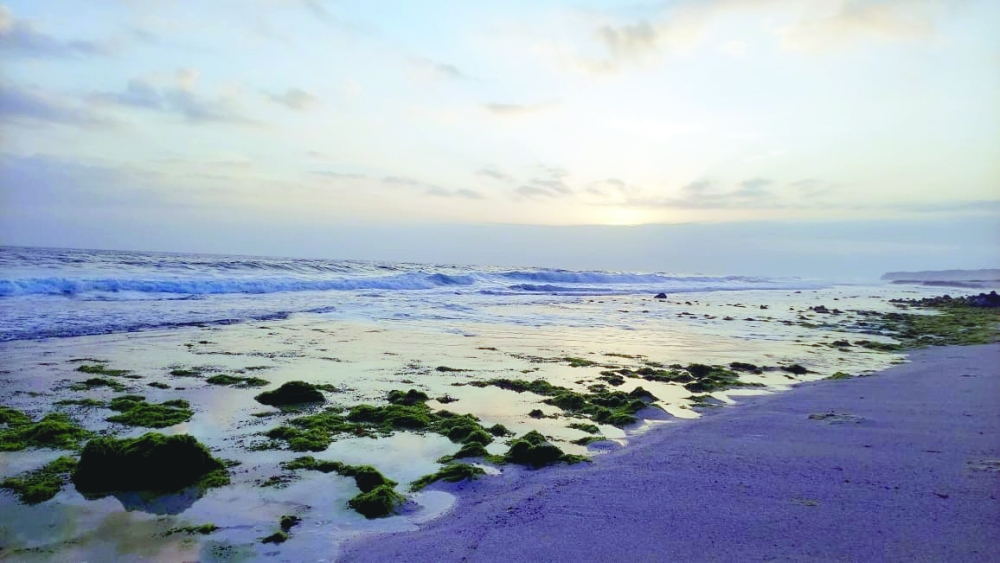
Sharbathat, home to roughly 300 residents, stretches along 14 km of golden sand where turquoise waters meet abundant marine life. Despite its small size, the village is self-sustaining, with a secondary school, health centre and housing colony serving the community.
Fishing remains the lifeblood of the settlement, with daily catches sent to Salalah, Dubai and other markets for packaging and export. Beyond its natural allure, Sharbathat offers a living museum of history, from Neolithic settlements to marine fossils, including a 5,500-year-old Otodus shark tooth.
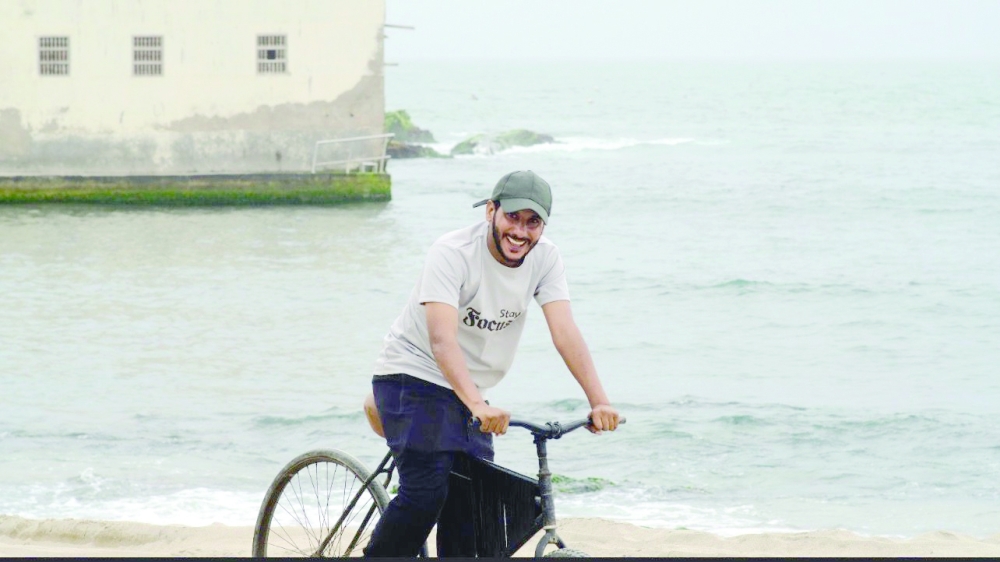
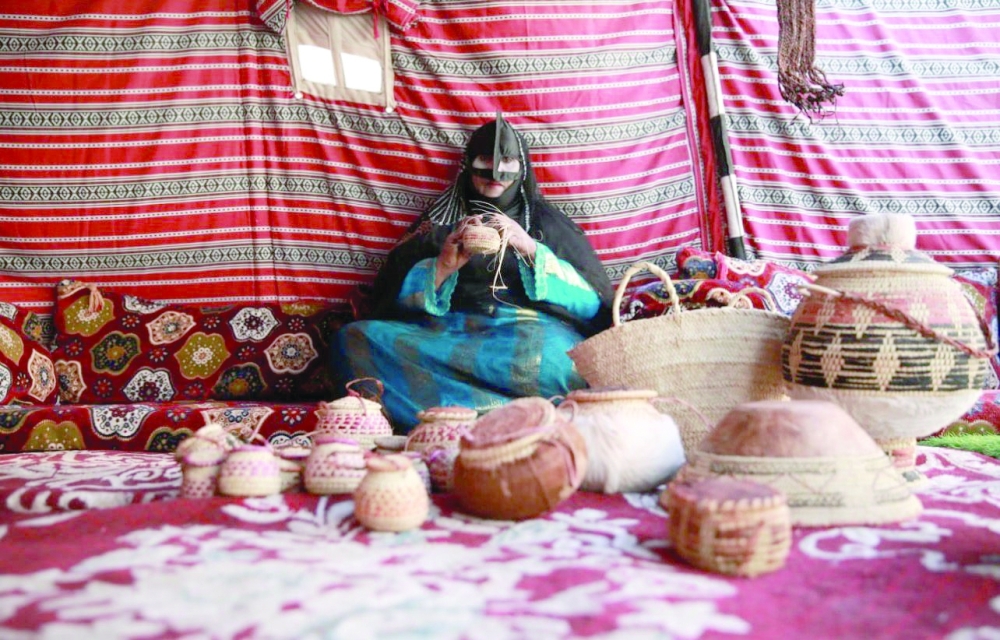
For travellers seeking authentic experiences rooted in sustainability and tradition, Sharbathat is more than a stop along the coast. The village nurtures Dhofar’s traditional crafts, passed down through generations of women transforming natural materials into works of art. Across the governorate, Omani craftsmanship thrives in frankincense-based products, silverwork, pottery, Sadu weaving and palm-fibre creations.
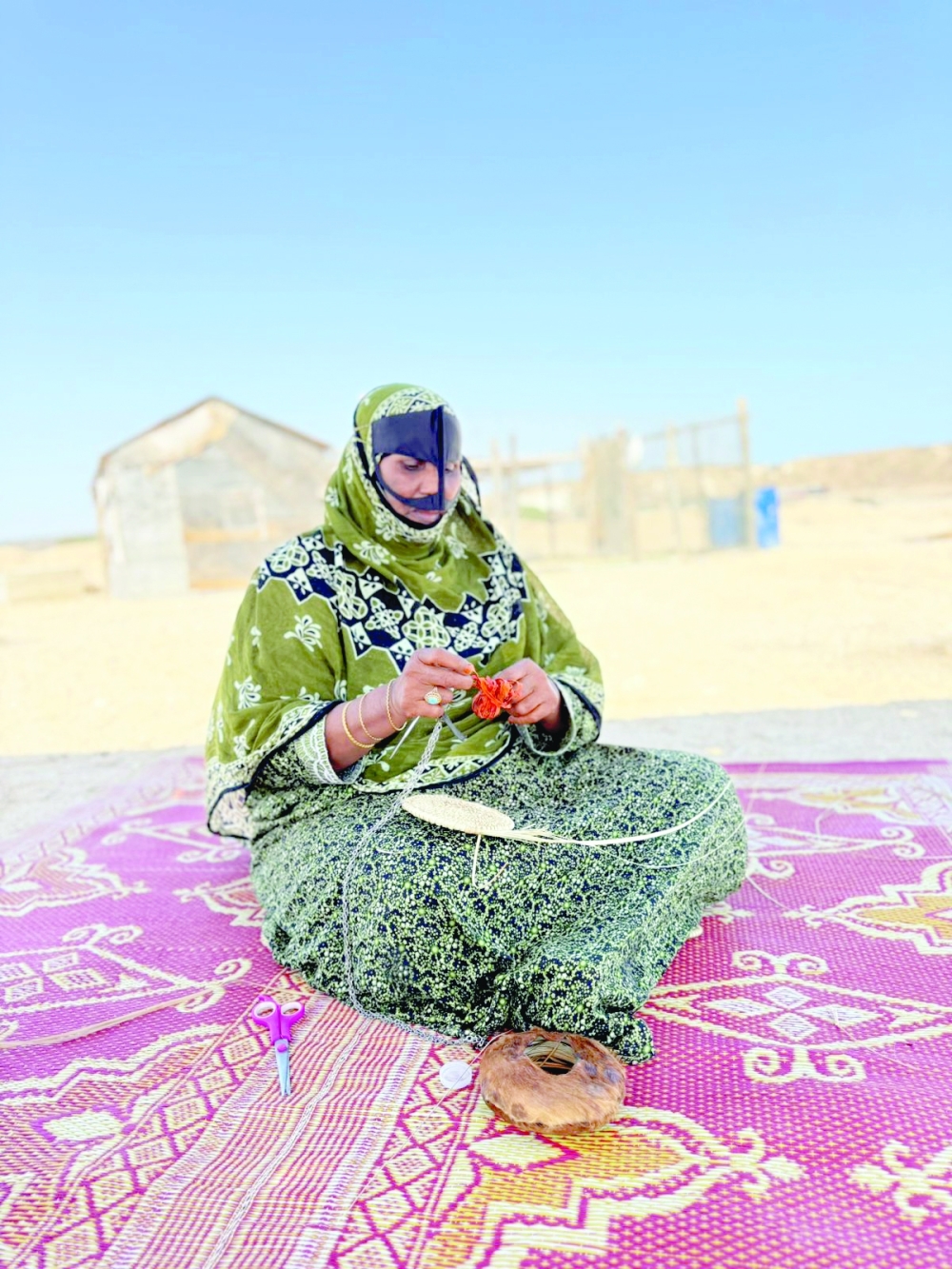
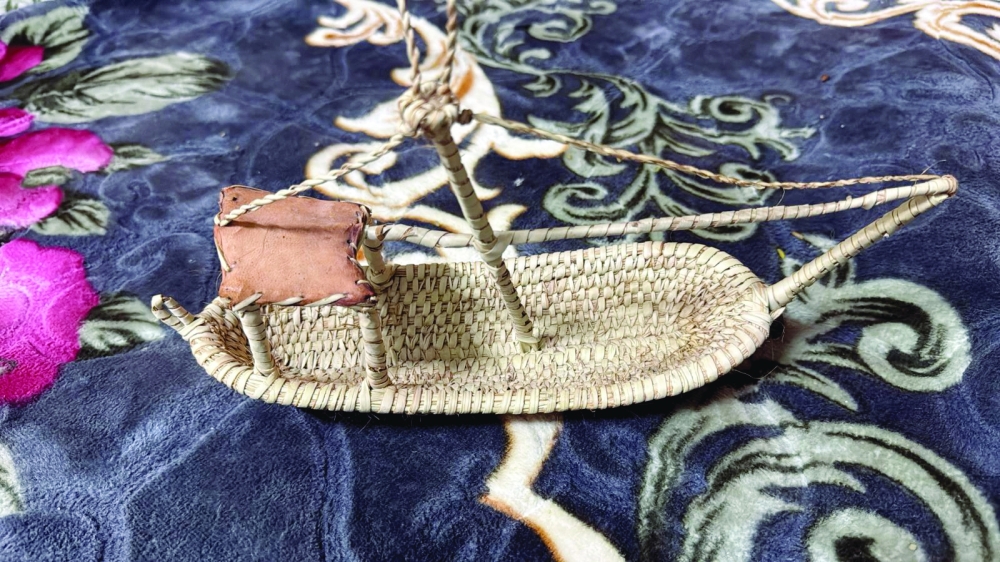
At the heart of Sharbathat’s creative pulse is Al Zaina bint Qibli al Bathariyah (Umm Mohammad), whose home doubles as a vibrant workshop. “The time required to complete a handicraft depends on the request”, she says. “If it’s urgent, I can finish in a day, but larger orders take longer”. Her repertoire spans milk holders, wall hangings, woven swords and daggers; and intricate designs featuring Oman’s national emblem and Majlis ornaments. Though modern tools ease some processes, the spirit of Al Safiyat weaving remains deeply traditional. Her daughters are learning the craft, ensuring the rhythm continues into the next generation.
Supporting her efforts is her son, Hakim bin Saeed Mabkhout al Bathari, a supervisor at the Ministry, guides visitors through the craft-making process. “We use what the land gives us”, he explains. “Palm fronds and sheepskin from nearby farms are transformed into household and decorative pieces with tools designed to protect the hands during sanding”.
For Cristina, Sharbathat epitomises cultural tourism. “Bedouin women here keep alive an ancient and precious craft tradition”, she observes. Having visited four times, she now brings other travellers eager to experience life beyond Salalah. “Tourism here isn’t just sightseeing; it helps preserve a craft that could otherwise vanish”.
Oman Observer is now on the WhatsApp channel. Click here