




NEW DELHI: Oil prices slipped on Thursday despite US President Donald Trump announcing a reduction in tariffs on China after meeting President Xi Jinping in South Korea, as markets remained sceptical the move signalled an end to the trade war.
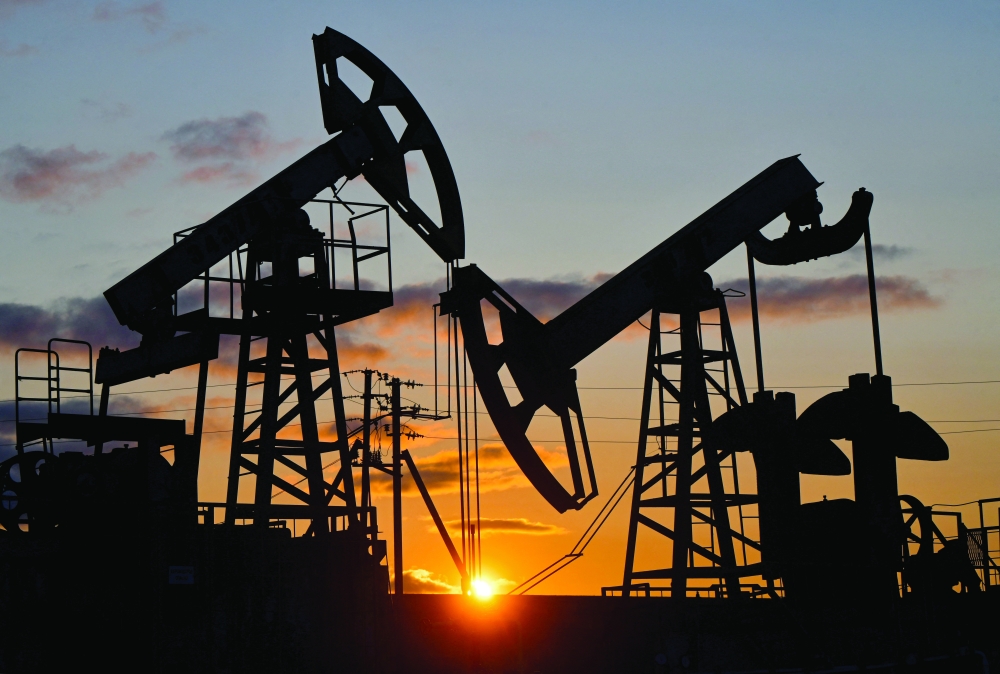
Brent crude futures fell 20 cents, or 0.31%, to $64.72 a barrel by 0642 GMT after rising 52 cents in the previous session. US West Texas Intermediate (WTI) crude futures also declined 20 cents, or 0.33%, to $60.28 a barrel, following a 33-cent gain a day earlier.
Trump said tariffs on China would be lowered from 57% to 47% under a one-year deal that includes Beijing’s commitment to resume US soybean purchases, maintain rare earth exports, and curb fentanyl trafficking.
“The market can now see it for what it is, sans all the build-up and political window-dressing,” said Vandana Hari, founder of oil market analysis firm Vanda Insights. “It’s nothing more than a pause in fighting and minor de-escalation that was being touted as a ‘trade deal.’”
The US Federal Reserve also cut interest rates on Wednesday, in line with expectations, though it signalled this may be the final reduction of the year amid an ongoing government shutdown that is affecting data reporting.
“The Fed’s decision underscores a broader turn in its policy cycle – one that favours gradual reflation and support over restraint, providing a tailwind to commodities sensitive to economic activity,” said Rystad Energy’s chief economist Claudio Galimberti.
Oil prices had gained in the prior session following a larger-than-expected drawdown in US crude inventories. Stocks fell by 6.86 million barrels to 416 million in the week ending October 24, far exceeding analyst forecasts of a 211,000-barrel decline.
Investors are now focused on the upcoming OPEC+ meeting on November 2, where the group is expected to announce an additional 137,000 barrels per day (bpd) supply increase for December. Since April, the alliance has gradually raised production by over 2.7 million bpd — about 2.5% of global supply — partially reversing earlier cuts.
Russia’s Lukoil also said this week it will sell its international assets, marking another shift in the global oil landscape.— Reuters
Oman Observer is now on the WhatsApp channel. Click here