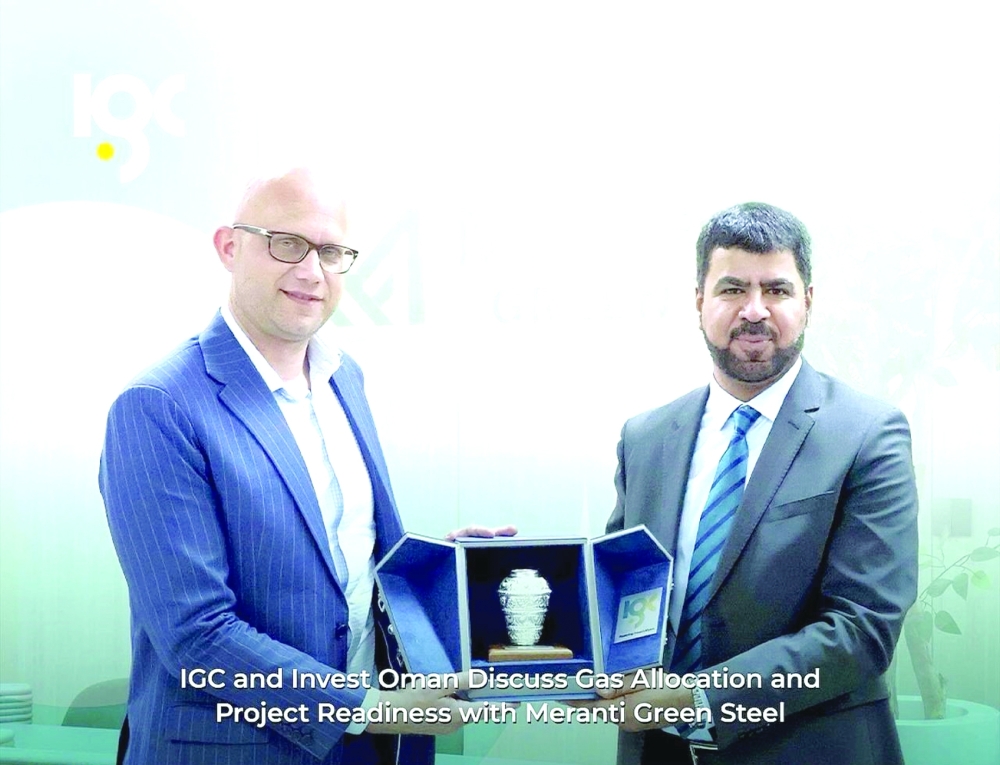





MUSCAT: Meranti Green Steel, a Southeast Asian investor in low-carbon iron feedstock for steel mills, is offering a lifeline to Britain’s embattled steel industry by setting aside part of its output from a proposed green iron project in the Sultanate of Oman.
Britain’s steel sector is struggling with outdated plants, high energy and labour costs; and decades of underinvestment in modern technology. Compounded by competition from more efficient global producers and the costly challenge of decarbonising to meet net-zero targets, the industry now risks decline without urgent renewal and innovation.
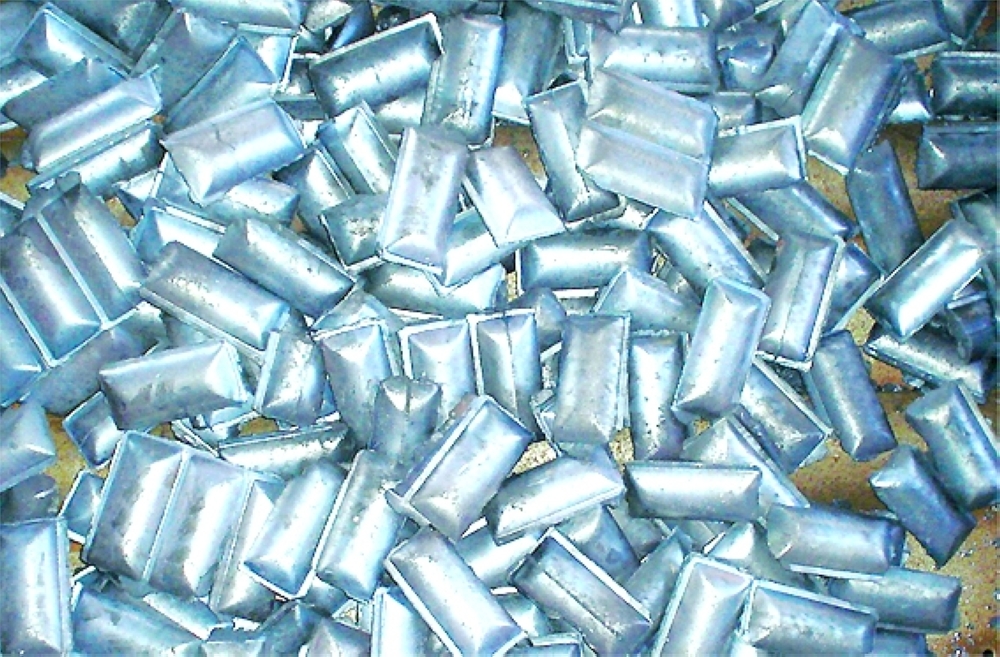
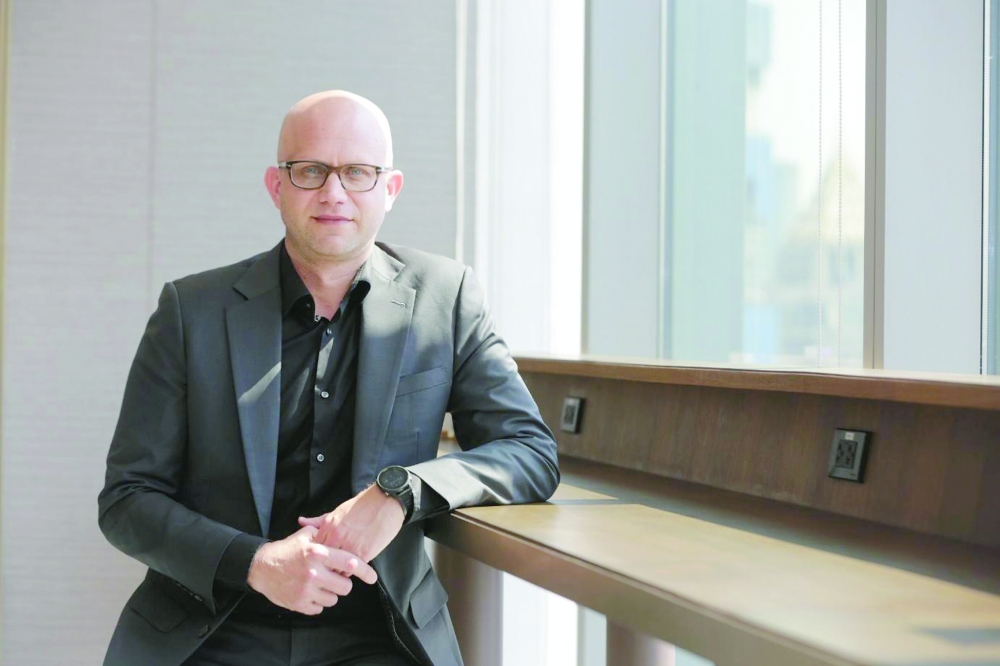
In a recent commentary published in the British business daily City AM, Meranti Founder and CEO Sebastian Langendorf proposed a remedy that lies at the heart of Meranti’s low-carbon iron feedstock model. The concept involves producing low-carbon Hot Briquetted Iron (HBI) in locations with abundant green energy — such as Oman — and then shipping this feedstock to existing steel mills in the UK.
“We will replace blast furnaces and coking coal with Direct Reduced Iron (DRI) plants and green hydrogen to produce Hot Briquetted Iron (HBI), which can be used in electric arc furnaces. By building our DRI plant in Oman, we tap into plentiful supplies of green hydrogen and natural gas to produce HBI economically with a minimal CO₂ footprint. Our HBI will provide a cost-effective alternative to conventionally reduced iron and feed green steel plants elsewhere”, Langendorf explained.
This approach, he noted, could transform steelmaking by decarbonising its most emissions-intensive stage. For Britain, the opportunity lies in importing low-carbon HBI from partners like Oman instead of refining iron domestically.
Combined with clean electric arc furnaces and domestic scrap, the UK could produce premium steels more efficiently — playing to its strengths in advanced manufacturing, innovation and high-value industries such as automotive, aerospace, energy and infrastructure.
“Under such a model, the UK would move away from outdated blast furnaces and, through partnerships, take its place at the top of a secure supply chain for clean iron, while protecting jobs and keeping industry relevant.
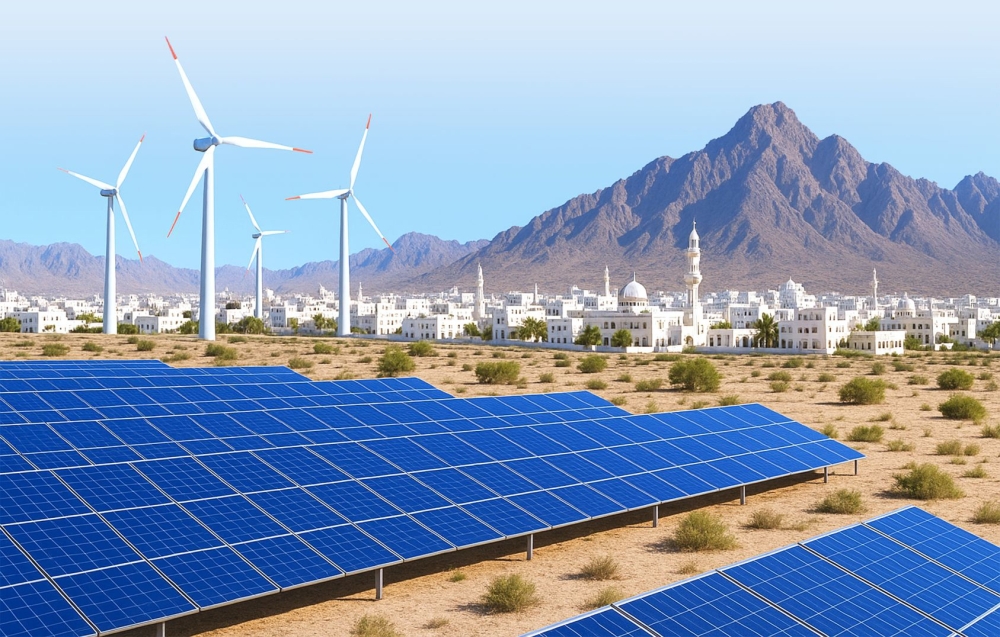
At the same time, it would align with global markets, where demand for low-carbon steel is rising and policies such as Europe’s Carbon Border Adjustment Mechanism will penalise high-emission imports”, he added. In Oman, the Singapore-headquartered Meranti plans to establish a 2.5-million-tonne-per-annum (mtpa) HBI plant in the first phase at the Special Economic Zone at Duqm (SEZAD). The project will be powered by a calibrated mix of natural gas and green hydrogen, with the hydrogen share progressively increased to achieve lower-carbon production.
While part of the output is earmarked for Meranti’s upcoming green steel plant in Rayong, Thailand, a portion will be made available to UK steelmakers interested in low-carbon feedstock.
“At Meranti Green Steel, we will be demonstrating this model in practice.
In addition to supplying our own steel plant in Thailand with HBI from Oman, we look forward to partnering with European steelmakers. Our HBI will not only have a minimal carbon footprint, but it will also be of high quality and metallisation”, Langendorf added in a separate post.
Oman Observer is now on the WhatsApp channel. Click here