




As my plane descended into Seoul on a clear, sunlit morning, the city unfolded beneath me — a tapestry of modern towers, winding streets and distant green hills. In the parks, small groups strolled; on the sidewalks, locals carried out their daily routines with ease and cheer, as though Korea’s rhythm welcomed every newcomer to its steady pulse.
From that serene arrival, I stepped into a whirlwind of exploration. Over the next several days, I embarked on a curated journey through Korea’s heritage, media landscape, diplomatic halls and public diplomacy efforts. From the solemn halls of history to the frontlines of Korean media, each visit offered new insight into the spirit and energy of this nation — and set the stage for a deeper appreciation of Korea’s evolving identity.
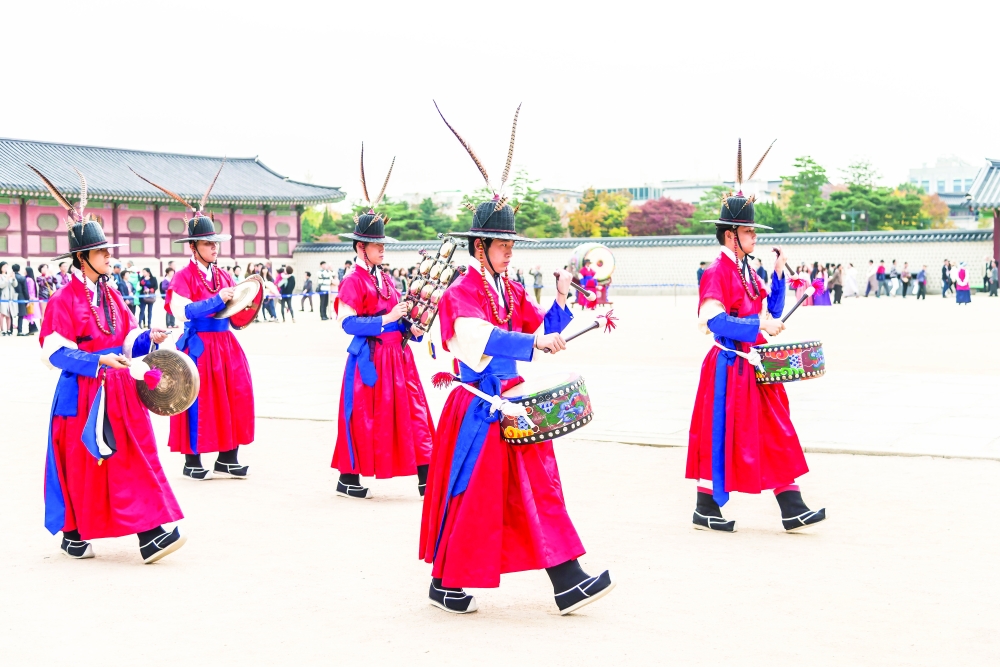
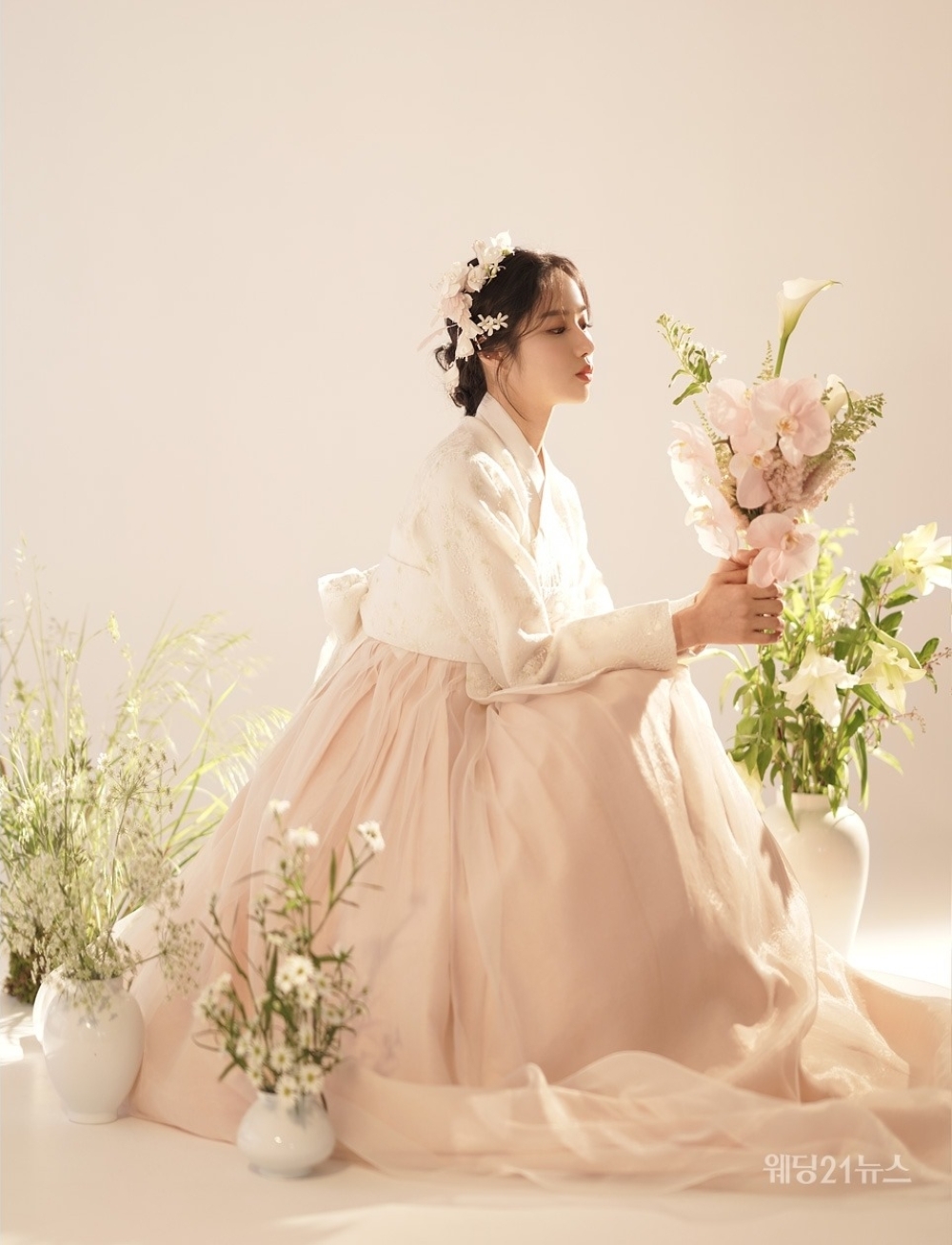
That identity is increasingly tied not just to culture or policy, but to the growing global reputation of its skincare and cosmetic surgery industries. South Korea is swiftly emerging as a medical aesthetic hotspot and its appeal is surging among patients from the Middle East.
In 2024, Korea treated 1,170,467 foreign patients — nearly double the number from the previous year — generating over 1.4 trillion won in medical spending. Remarkably, 85.4 per cent of those patients visited clinics and hospitals in the Seoul metropolitan area, reinforcing the capital’s dominance as the region’s aesthetic hub.
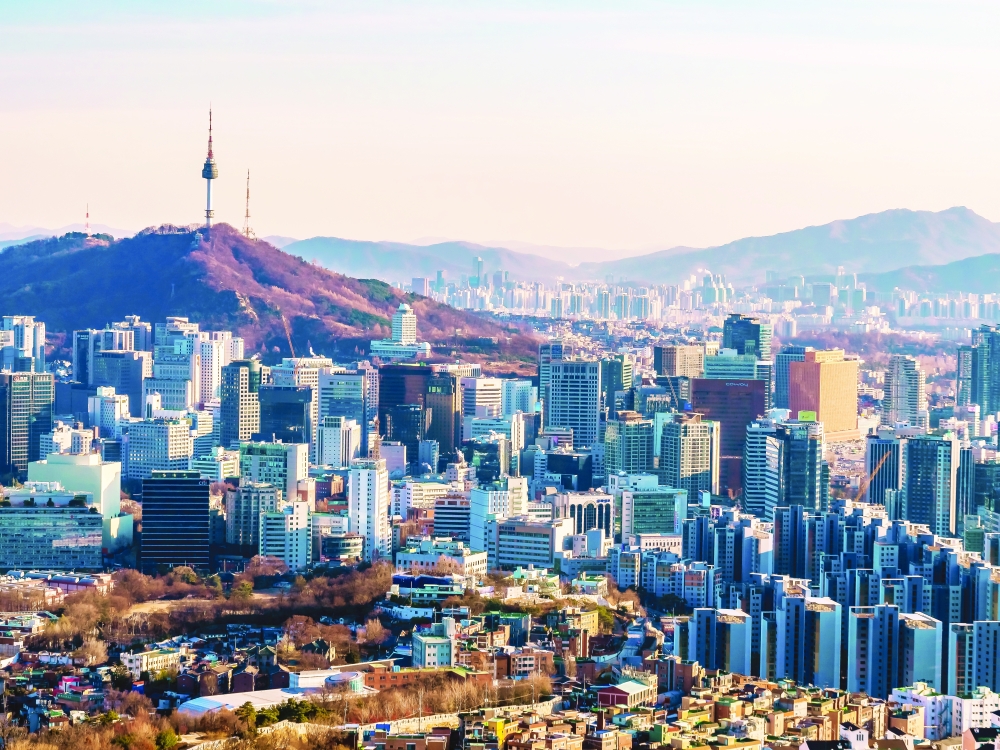
What draws international clientele — including from Gulf nations — is not just the quantity but the quality of service. Korea leads with deep specialisation in facial sculpting, double eyelid surgery, rhinoplasty and increasingly refined minimally invasive skin treatments like lasers, injectables and regenerative therapies. In fact, dermatology accounted for 56.6 per cent of foreign medical visits in 2024, while plastic surgery made up 11.4 per cent.
But technical skill and innovation are just part of the equation. Behind the scenes lies a fortified ecosystem of trust.
Korea’s competitiveness is underpinned by strict foreign patient registration, hospital accreditation, mandatory malpractice insurance and multilingual patient support systems. Clinics integrate post-treatment follow-ups and telemedicine support — vital for overseas clients who travel for care.

For Middle Eastern clients especially, Korea presents a compelling package: cosmetic excellence anchored by robust oversight, competitive total cost and — crucially — the soft power of K-Beauty and Korean popular culture.
Clinics increasingly tailor their offerings — Arabic interpreters, privacy-conscious workflows, concierge services — to match regional expectations. What’s emerging is not just a destination for procedures, but a holistic aesthetic journey rooted in quality, trust and cultural resonance. Many Arab patients report high satisfaction with results, seamless logistics and a strong awareness of cultural sensitivities like privacy and language.
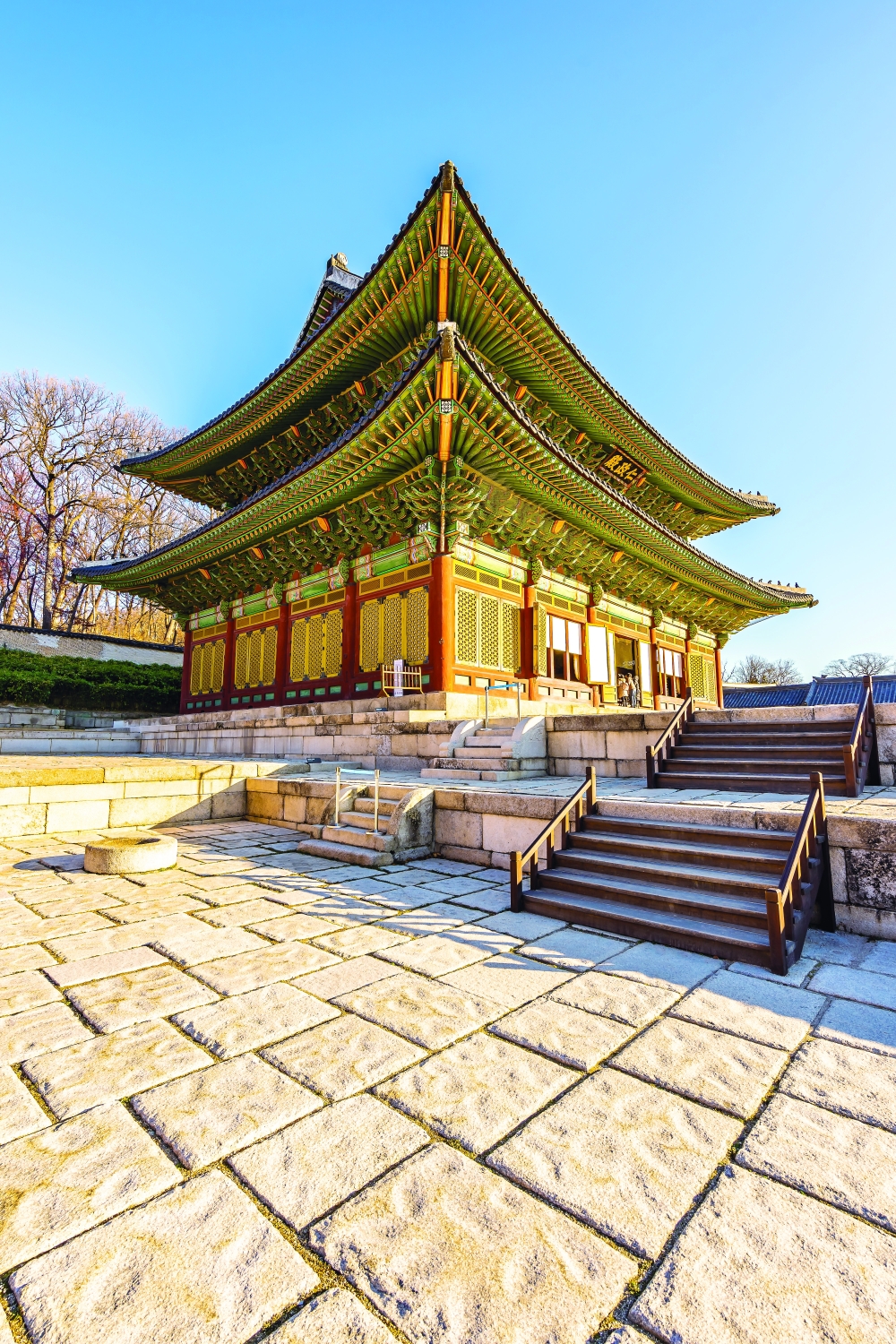
Yet to truly understand how Korea fuses modern aspiration with deep historical roots, I traced a thread through its past. Early in the programme, I joined a docent-guided tour through the National Museum of Korean Contemporary History. Located in Seoul’s Jongno district, directly opposite Gyeongbokgung Palace, the museum houses four permanent exhibition halls, covering eras from the late 19th century through liberation, war, rapid modernisation and contemporary life.
Walking through these exhibits, I witnessed Korea’s story of resilience and transformation: the struggles against colonial rule, the grim chapters of the Korean War and the bold surge towards economic and democratic development. The displays — rich with artefacts, images and interactive media — created a bridge between past and present.

Some rooms resonated with somber dignity, others with the optimism of a nation moving forward. A highlight was the rooftop garden, from which one can gaze across rooftops toward Gyeongbokgung and feel the convergence of tradition and modernity. The museum’s free entry policy opens its doors to all, making it a meaningful public space in Seoul.
One of the most powerful moments of the trip was our visit to the DMZ (Demilitarised Zone). Exploring sites such as the Paju Dora Observatory, the 3rd Tunnel and other border landmarks was deeply moving. Peering into the North Korean landscape from observation decks, the weight of division, the stories of those separated and the longing for reunification all resonated strongly. It’s a place where history, politics and the human condition collide.
Oman Observer is now on the WhatsApp channel. Click here