




MUSCAT: The German University of Technology in Oman (GUtech) hosted a national symposium titled ‘Living Heritage: A Human Story and the Sustainability of Knowledge', shedding light on Oman’s efforts to preserve and promote its intangible cultural heritage.
Held under the auspices of Eng Ibrahim bin Said al Kharousi, Under-Secretary of the Ministry of Heritage and Tourism for Heritage, and in the presence of Sayyid Said bin Sultan al Busaidy, Under-Secretary of the Ministry of Culture, Sports and Youth for Culture, the event was organised by the Ministry of Culture, Sports and Youth in collaboration with the Ministry of Education to mark the International Day of Intangible Cultural Heritage.
The symposium brought together researchers, academics, postgraduate students and professionals specialising in intangible cultural heritage to explore its cultural dimensions and the shared responsibility of government and private institutions in its preservation and documentation.
The event sought to highlight the importance of intangible heritage in sustainable development, public health and education, while emphasising the need for digital documentation and alignment with Oman’s educational philosophy.
The programme featured two working sessions. The first, ‘Intangible Cultural Heritage: Policies and Initiatives', included three key presentations.
Khulood al Rashdi, Head of the Intangible Heritage Department at the Oman National Commission for Education, Culture and Science, presented a paper on ‘Indicators of Intangible Cultural Heritage in Oman within Sustainable Development Dimensions.’
Eng Majed Al Muhanna from the Kingdom of Saudi Arabia discussed ‘The Relationship Between Culinary Arts, Traditional Knowledge and Sustainable Development.’
Lieutenant Commodore Hilal bin Ali al Hinai from the Royal Navy of Oman concluded the session with insights from the ‘Glories of the Seas 2025’ maritime voyage, highlighting intangible cultural heritage milestones recorded during the journey.
The second session, ‘The Role of Governmental and Private Entities in Intangible Cultural Heritage', also featured three research-based papers.
Ahmed bin Rashid al Shehi from the Ministry of Culture, Sports and Youth outlined the ministry’s ongoing efforts in safeguarding and documenting intangible heritage.
Salim bin Darwish al Hasani from the Ministry of Agriculture, Fisheries and Water Resources discussed traditional knowledge systems related to Omani fishing and seafaring practices.
Sultan bin Ali al Hasani from Al Batinah Stud Farm presented research on the intersection of traditional horse breeding and healthcare practices, showcasing the link between heritage and well-being.
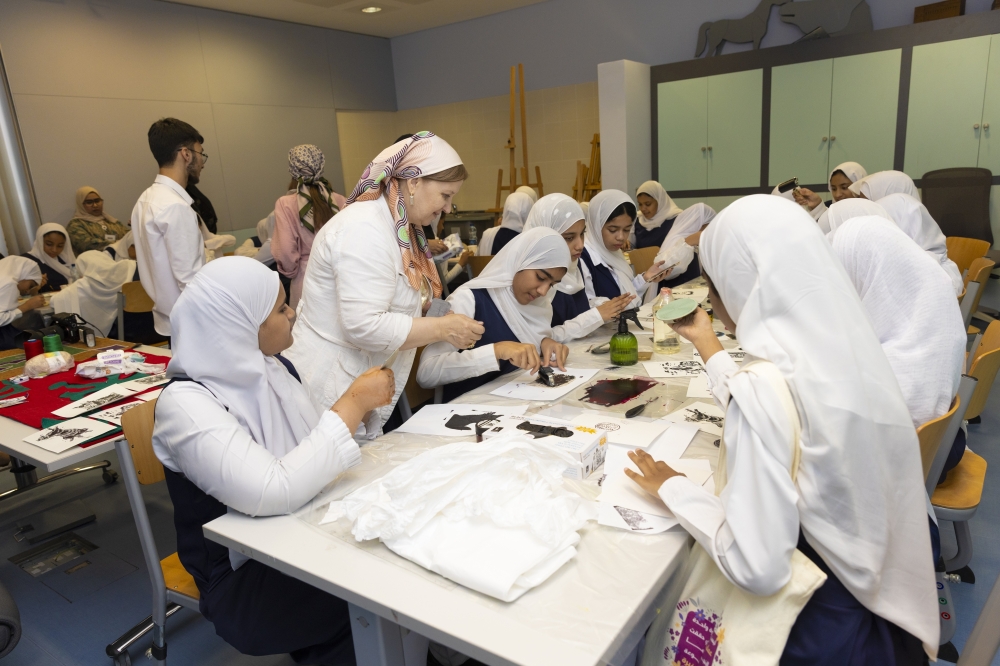
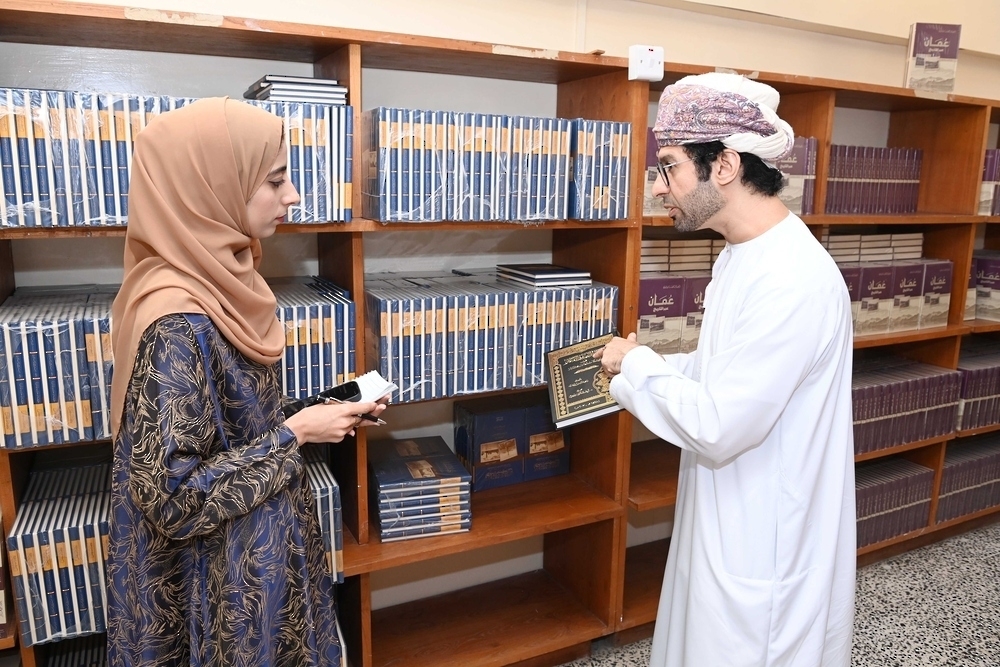
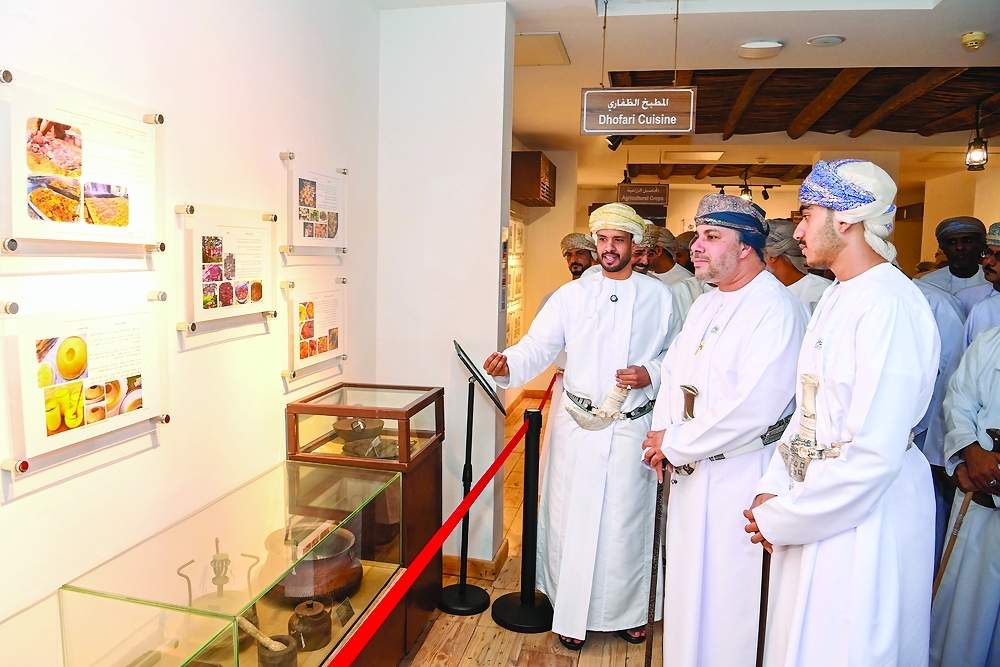
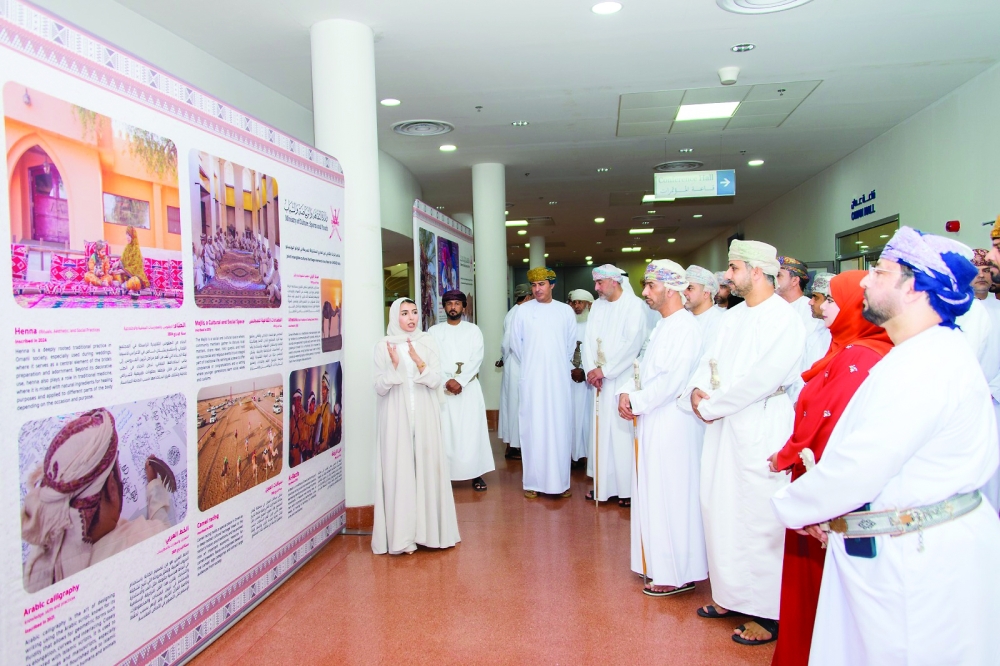
The opening ceremony featured a documentary film highlighting Omani cultural elements inscribed on Unesco’s Intangible Cultural Heritage lists, followed by an exhibition displaying photographs by Omani artists and rare manuscripts reflecting Oman’s diverse cultural legacy. - ONA
Oman Observer is now on the WhatsApp channel. Click here