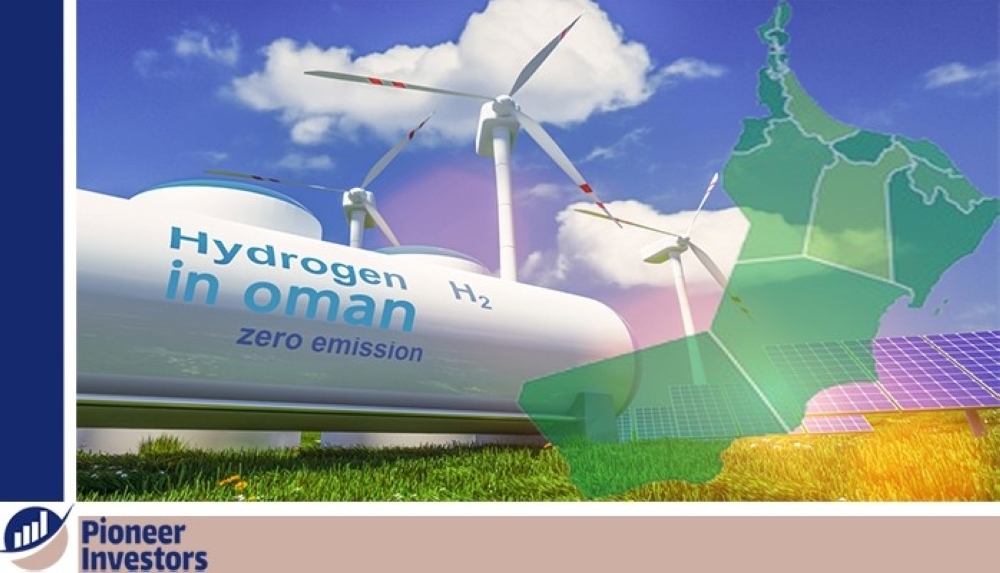
In Al Duqm, Oman’s green hydrogen hubs are rising on a foundation of renewable energy and industrial-scale desalination. The infrastructure is already programmed: steady power, reliable water, and long timelines. One question keeps returning. Could a portion of that power run cold chains for local fisheries? Could a share of that water supply agriculture pilots or rural clinics? The answer is yes, if those priorities are written into plans from the start.
Most large projects are designed in silos. Energy stays with energy, water with water, and communities are consulted late, if at all. By the time social priorities surface, the financial model is fixed. What could have been designed in becomes bolted on or left out entirely. Uncertainty is the hardest tariff, and siloed planning makes it heavier.
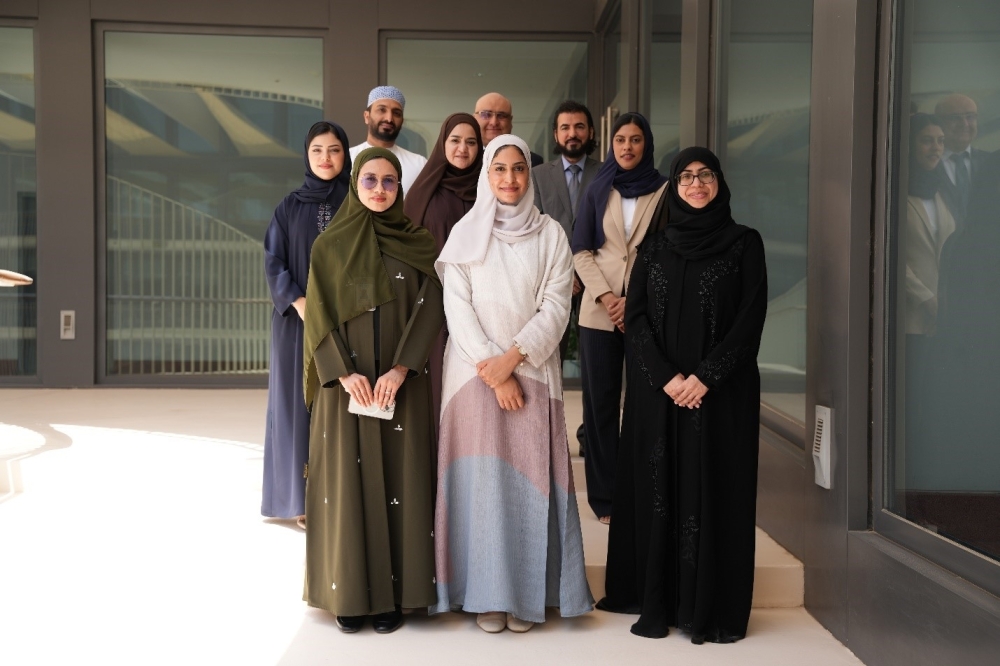
Last week, I took part in the World Economic Forum’s Annual Meeting of the Global Future Councils, one of the largest collective brainstorms I have experienced. People who rarely share a table worked side by side: economists and environmentalists, engineers and educators, artists and ministers. The shared aim was to understand complexity and move past sectoral walls.
People tested each other’s logic without performance. Ideas arrived rough and left sharper. Spaces like this are rare in our region, and we need more of them in Al Duqm, Muscat, and Salalah.
What makes these rooms valuable is simple. Dialogue becomes a method. It holds complexity long enough to turn abstraction into choices that citizens can feel. It shows up later as better policies, clearer permits and stronger coalitions.
Energy, water, food and people belong on the same page. When we stopped treating them as separate systems and mapped them together, the conversation changed. Abstract trade-offs turned into practical questions. Who is affected? What is consumed? What gets restored? Over what timeline? Language matters too. The word "transition" suggests a fixed destination. The work ahead is navigation, with rules that hold under changing currents.
Capital accounting helps that navigation. It places natural, human, and social capital beside financial returns and exposes hidden dependencies. Projects that seem efficient in year 1 can appear fragile by year 10. When costs are counted across a full life cycle, new options emerge. A desalination plant that serves only industry may meet its numbers. A plant that also supports a clinic and a school builds trust, reduces opposition, and creates local champions. The payback may take longer while the system grows stronger.
This way of working needs rooms designed for it. Empathy becomes a planning tool. When farmers, utilities, financiers and regulators sit together at the start, trust grows. Trade-offs surface early, surprise shrinks and listening becomes risk management.
These rooms are not easy to build. They take time that investors resist and reveal conflicts bureaucracies avoid. They ask people to speak from where they stand, which can feel uncomfortable. They rarely produce tidy conclusions in week 1. Yet, enduring projects typically start in environments such as these, where individuals embrace ambition from the outset and depart with greater precision than when they arrived.
I keep returning to the image of a room where ideas arrive rough and leave sharper. Al Duqm can be that kind of room, scaled to the landscape: a place where energy, water, and community share the same sentence, and where ambition feels like oxygen again. Everything enduring begins in such a space: open enough for argument, steady enough for trust, and clear enough for everyone to see themselves in the plan.
Oman Observer is now on the WhatsApp channel. Click here