




The United States has been at the nexus of a data center boom, as OpenAI, Amazon, Google, Microsoft and others invest hundreds of billions to build the giant computing sites in the name of advancing artificial intelligence. But the companies have also exported the construction frenzy abroad, with less scrutiny.
Nearly 60% of the 1,244 largest data centers in the world were outside the United States as of the end of June, according to an analysis by Synergy Research Group, which studies the industry. More are coming, with at least 575 data center projects in development globally from companies including Tencent, Meta and Alibaba.
As data centers rise, the sites — which need vast amounts of power for computing and water to cool the computers — have contributed to or exacerbated disruptions not only in Mexico, but in more than a dozen other countries, according to a New York Times examination.
In Ireland, data centers consume more than 20% of the country’s electricity. In Chile, precious aquifers are in danger of depletion. In South Africa, where blackouts have long been routine, data centers are further taxing the national grid. Similar concerns have surfaced in Brazil, Britain, India, Malaysia, the Netherlands, Singapore and Spain.
The issues have been compounded by a lack of transparency. Google, Amazon, Microsoft and other tech companies often work through subsidiaries and service providers to build data centers, masking their presence and revealing little about the resources that the facilities consume.
Many governments are eager for an AI foothold, too. They have provided cheap land, tax breaks and access to resources and are taking a hands-off approach to regulation and disclosures.
Tech companies, which are racing to build data centers to power new AI models and create “superintelligence,” or AI with power that exceeds the human brain, said the boom brought jobs and investment. They added that they were working to shrink their environmental footprint by generating their own energy and recycling water.
Microsoft said it had no information that its data center complex in central Mexico had affected power and water supplies. Electricity is unstable there, the company said. It added that it used minimal water and had an electricity load of up to 12.6 megawatts, which if used throughout the year would be the equivalent of what could power roughly 50,000 homes in Mexico.
“We looked deeply and found no indication that our data centers have contributed to blackouts or water shortages in the region,” said Bowen Wallace, Microsoft corporate vice president for data centers in the Americas. “We will always prioritize the basic needs of the community.”
Electric grid infrastructure has been problematic in central Mexico and caused blackouts, said Alejandro Sterling, director of industrial development for the region. “Our capacity has been overdrawn,” he said.
Directly linking any data center to local power and water shortages is difficult. Yet building in areas with unstable grids and existing water strains has pressured already frail systems, according to experts, increasing the potential for cascading effects.
In country after country, activists, residents and environmental organizations have banded together to oppose data centers. Some have tried blocking the projects, while others have pushed for more oversight and transparency.
In Ireland, authorities have limited new data centers in the Dublin area because of “significant risk” to power supplies. After activists protested in Chile, Google withdrew plans to build a center that could have depleted water reserves. In the Netherlands, construction was halted on some data centers over environmental concerns.
“Data centers are where environmental and social issues meet,” said Rosi Leonard, an environmentalist with Friends of the Earth Ireland. “You have this narrative that data centers are needed and will make us rich and thriving, but this is a real crisis.”
There are few signs of a slowdown. Companies are expected to spend $375 billion on data centers globally this year and $500 billion in 2026, according to investment bank UBS.
By 2035, data centers globally are projected to use about as much electricity as India, the world’s most populous country, according to the International Energy Agency. A single data center can also use more than 500,000 gallons of water a day, nearly as much as an Olympic-size swimming pool.
In a gleaming office tower wrapped in solar panels and a 3D LED screen in the city of Querétaro in central Mexico, an official spearheading the country’s transformation into a data center hub said interruptions to power and water were the price of progress.
“Those are happy problems,” said Sterling, director of industrial development for Querétaro, where many of Mexico’s 110 data centers are. “Not for the people that suffer it, but for the development of the place.”
It is a refrain echoed, if often less bluntly, by officials elsewhere as they woo tech companies. Brazil is creating new tax breaks. Malaysia carved out an industrial zone to attract Chinese and Silicon Valley firms. The United Arab Emirates and Saudi Arabia ran a diplomatic campaign to get support from President Donald Trump to buy prized AI chips that companies need. The European Union has vowed to spend billions on new regional data centers.
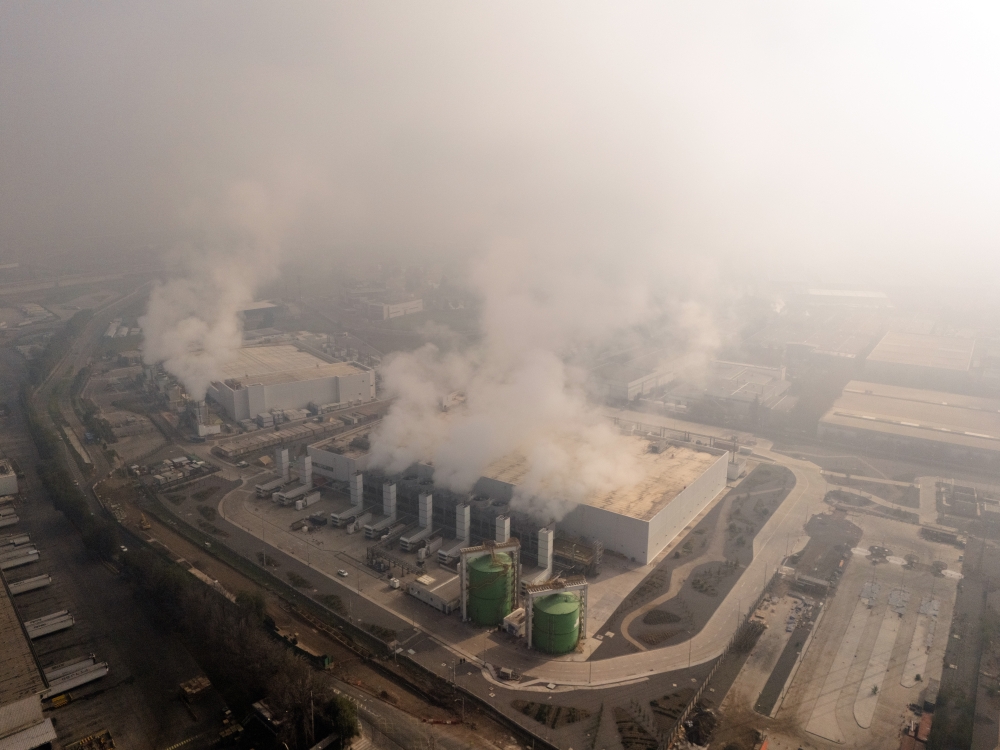
Microsoft’s data center complex in central Mexico rises more than 800 feet atop a hill in the high mesquite plains north of Mexico City.
It is prime land. Locals, including Indigenous groups, had long grazed animals at a natural spring there. Today, the space is fenced off. Drone footage shows a new reservoir inside, surrounded by fresh dirt.
Data centers arrived in Querétaro about five years ago, drawn by proximity to the United States, relative safety from drug violence and a local government eager to welcome multinationals.
Microsoft came first, followed by Amazon and Google. Soon industrial parks buzzed with construction crews.
Impoverished small towns in the area, which have struggled with basic services, began experiencing longer water shortages and more blackouts, according to more than a dozen residents.
“There are patients with kidney failure who need their machines for treatment,” said Manuel Rodríguez, a local government representative. “There are people with diabetes who need to keep their medication refrigerated.”
Mexico’s national power company attributed recent outages to lightning strikes and stray animals running into equipment.
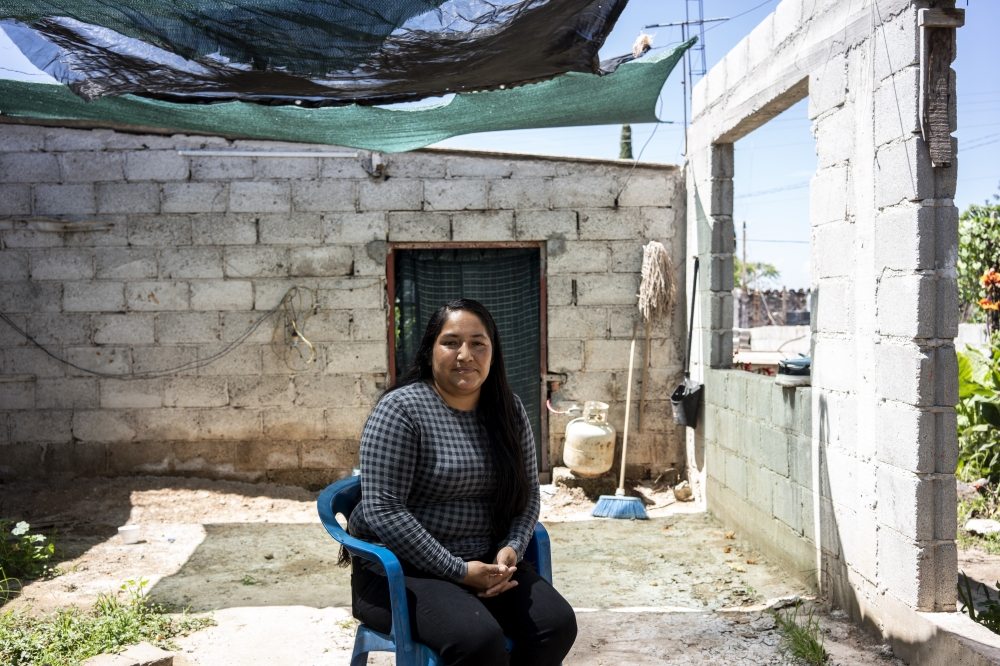
Dulce María Nicolás, 30, a mother of two in Las Cenizas who owns a convenience store, said the blackouts had twice forced her to dump rotting food from her family refrigerator this summer, while prolonged water cuts pushed her to buy more jugs for storing water.
“It’s a double cost,” she said. Her children have gotten stomach bugs when the family cannot wash dishes properly, and school has been canceled when the toilets did not flush.
The timing of the problems — after Microsoft’s data center complex became operational — pointed to one culprit, Nicolás said. “They have all the electricity,” she said of the tech company. “I’m left with nothing.”
This article originally appeared in The New York Times.
Oman Observer is now on the WhatsApp channel. Click here