




On the occasion of International Lead Poisoning Prevention Week, the Royal Hospital in Muscat has provided some preventive tips for both children and adults.
What is lead and why is it dangerous?
Lead is a toxic heavy metal that performs no function in the human body. It can enter the body through inhalation, ingestion, or skin contact, gradually accumulating in bones and tissues and leading to chronic and serious poisoning.
There is no safe level of lead exposure. Even very small amounts of lead can lead to serious health problems, especially in children and pregnant women.
In children, the effects of lead include Lower IQ, learning and concentration difficulties, behavioral and aggressive disorders, problems with neurological and cognitive development, anemia, and delayed speech and language development.
In adults, the harmful effects include high blood pressure, heart and kidney diseases, peripheral nerve damage, and fertility problems in men and women, chronic fatigue, and joint pain
It can lead to birth defects, low fetal weight, premature birth, and increased risk of miscarriage.
Lead passes from mother to fetus through the placenta.
How can we protect ourselves and our children from lead?
Wash your hands regularly before eating and after playing.
Clean floors and windows with a wet wipe, not a dry wipe, to prevent lead-containing dust from flying around.
Ensure that you purchase certified lead-free toys.
Check old homes for lead-containing paint or pipes.
Use clean, filtered water for drinking and cooking.
Avoid using popular products of unknown origin.
Follow up on blood lead tests for exposed children
Where is lead found?
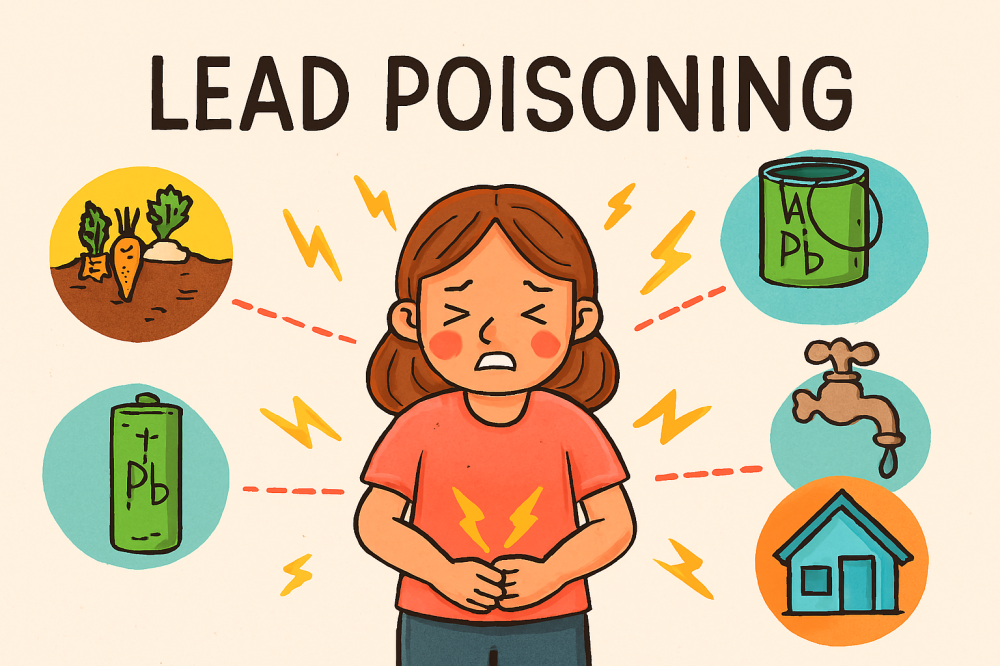
1. Old paints (before they were banned).
2. Lead water pipes.
3. Contaminated soil near industrial areas.
4. Car batteries.
5. Traditional cosmetics (some henna).
6. Substandard imported toys.
7. Traditional or alternative medicine products.
8. Some poor-quality ceramic or metal cooking utensils.
9. Dust from old houses.
10. Fish from waters due to environmental pollution.
Oman Observer is now on the WhatsApp channel. Click here