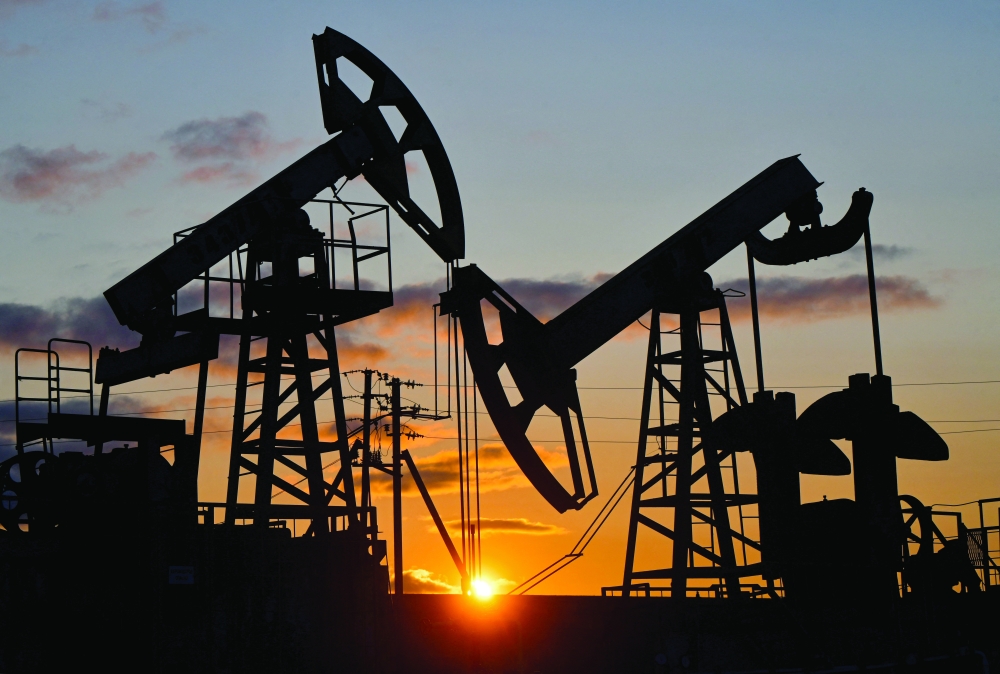





TOKYO: Oil prices rose around 1% on Thursday after US President Donald Trump said Indian Prime Minister Narendra Modi had pledged that India would stop buying oil from Russia, a move that could tighten global supply. Brent crude futures rose 56 cents, or 0.9%, to $62.47 a barrel by 0655 GMT. US West Texas Intermediate futures climbed 58 cents, or 1%, to $58.85.
Both contracts had touched their lowest levels since early May in the previous session, pressured by US-China trade tensions and a warning from the International Energy Agency of a significant surplus expected next year, as OPEC+ and rival producers increase output amid weak demand.
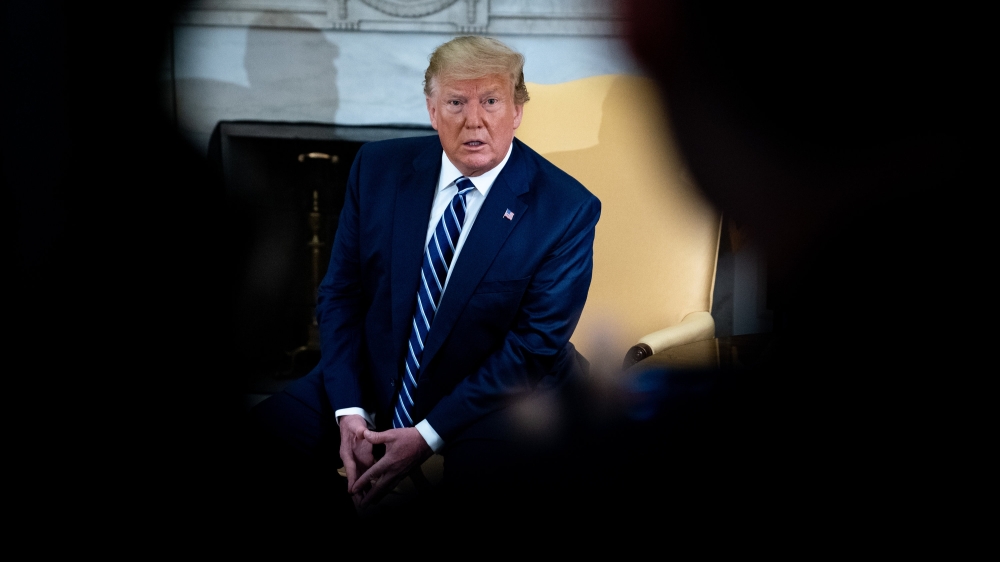
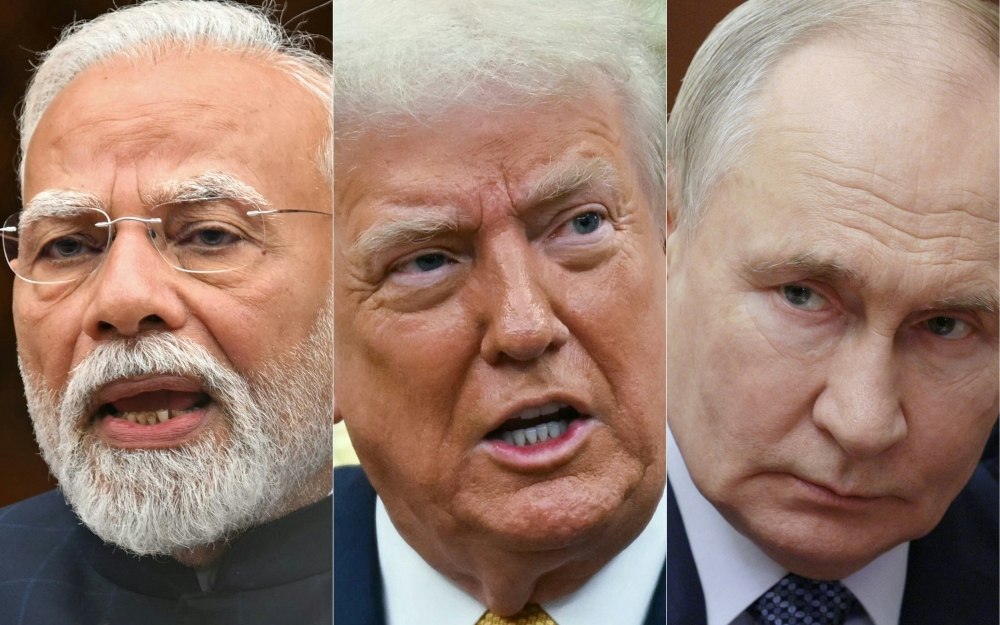
Trump said on Wednesday that India — which sources about one-third of its oil imports from Russia — would halt its purchases, and that the US would next attempt to persuade China to take the same step. This move is part of Washington’s broader effort to cut off Moscow’s energy revenues and pressure it to negotiate a peace deal in Ukraine.
However, India’s government responded on Thursday by emphasizing that its main goals were to ensure stable energy prices and secure supply. The statement from the foreign ministry did not reference Trump’s comments. Some Indian refiners are preparing to reduce imports of Russian oil, with expectations of a gradual decline, three sources familiar with the matter told Reuters.
US Treasury Secretary Scott Bessent also said on Wednesday that he informed Japanese Finance Minister Katsunobu Kato that the Trump administration expects Japan to stop importing Russian energy.
India and China are currently the two largest buyers of Russian seaborne crude exports, which are sanctioned by the US and the European Union. Modi has resisted US pressure for months, with Indian officials defending their purchases as vital for national energy security.
“At the margin, this is a positive development for the crude oil price as it would remove a big buyer (India) of Russian oil,” said Tony Sycamore, a market analyst at IG.
The UK government also announced new sanctions on Wednesday targeting Russia's Rosneft and Lukoil. The sanctioned entities include oil terminals, the Chinese private refiner Shandong Yulong Petrochemical, 44 tankers transporting Russian oil, and Nayara Energy Limited, a Russian-owned refinery in India.
Later Thursday, investors will watch for weekly US inventory statistics from the US Energy Information Administration, after mixed data from the American Petroleum Institute. — Reuters
Oman Observer is now on the WhatsApp channel. Click here