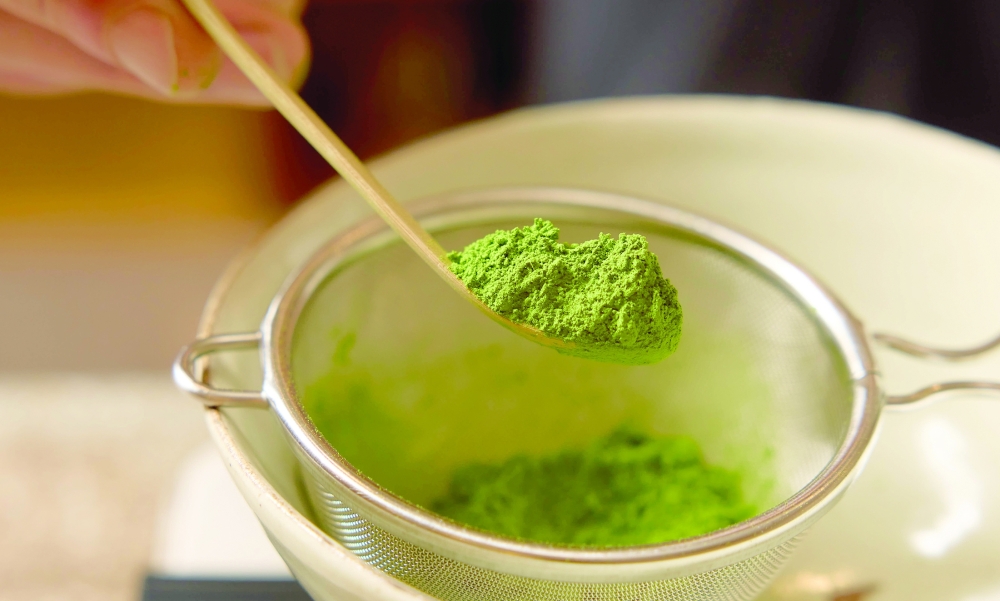





Over four centuries, Japan built a tradition of drinking matcha that was based on four principles: wa, kei, sei and jaku, or harmony, respect, purity and tranquility.
It took just a few years for a worldwide matcha craze to upend those values and replace them with disharmony, disrespect, impurity and fraud.
Highly respected Japanese firms are at war with scores of vendors who resell their matcha far above the normal retail price on Amazon, Facebook Marketplace and other sites. Others are hawking the tea trade’s equivalent of $45 Chanel bags, counterfeit packages filled with third-rate product or with ordinary tea ground to a dull yellow dust.
Tea companies that have built their reputations over centuries are in despair. Marukyu Koyamaen, founded by Kyujiro Koyama in 1704, has been taking action against counterfeiters for eight years, fighting them in court and making its packages more difficult to copy.
Some of the fakes are filled with “low-quality powdered green tea,” Motoya Koyama, the company’s president and a direct descendant of the founder, said in an email interview. “It would be definitely a great harm to us if those customers who purchased these counterfeit products think that they are produced by Marukyu Koyamaen.” Other practices, while not as deceptive, are wildly untraditional. Green lattes and smoothies are prepared with shortcuts (batched concentrate nicknamed batcha) and flavorings (banana bread!) that send ripples of horror down the spines of matcha purists. Baristas inhale so much airborne green powder that they joke about coming down with matcha lung.
“It’s like the Wild West because there are so many unknowns and so many new contenders in the game,” said Sebastian Beckwith, an importer whose company, In Pursuit of Tea, has offered matcha for more than 20 years.
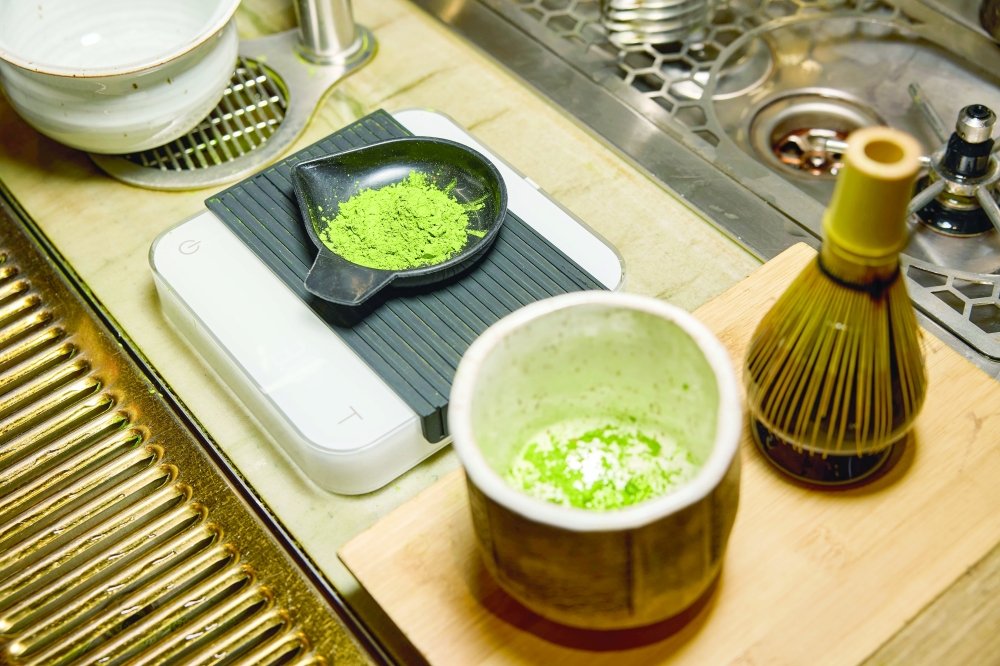
Matcha, in its most traditional and prized form, is tea that is shielded from the sun for several weeks before it is picked, steamed and ground to a powder between granite millstones. The process is painstaking. The number of people in Japan for whom it is an everyday drink has never been large. About 80 per cent of the tea grown in the country is sencha, a whole-leaf green variety. Matcha’s share is about 6 per cent. It is very much a niche product.
In the past five years, it has become more popular abroad than it is at home, rocketing to stardom on TikTok and displacing coffee on cafe menus. Japan now exports more than half the matcha it grows. According to the market research firm NIQ, retail sales of matcha in the United States grew by 86 per cent over the past three years.
Wholesalers are fielding requests from coffee shops in Warsaw, Poland, and in Kazakhstan. Retailers sell out of new shipments in minutes. With demand streaking ahead of the limited supply, all kinds of shady practices have crept into the gulf.
Matcha labeling is almost completely unregulated, making it easier for less scrupulous operators to pass off second- and third-tier products as premium stuff. Previously unknown classifications, like imperial grade and barista grade, are popping up. Even “ceremonial grade,” which is widely used outside Japan, is an invention of American marketers with no formal definition.
The word matcha itself is open to interpretation these days. Although matcha is historically associated with Japan, powdered tea sold under that name is now made in Australia, Kenya and other countries. Starbucks buys its matcha from China and South Korea as well as Japan.
There is brown matcha, black matcha and white matcha, in addition to old-fashioned matcha in the vibrant green color of a tree frog. Some of these products were on display at the North American Tea Conference in Charleston, South Carolina, last month.
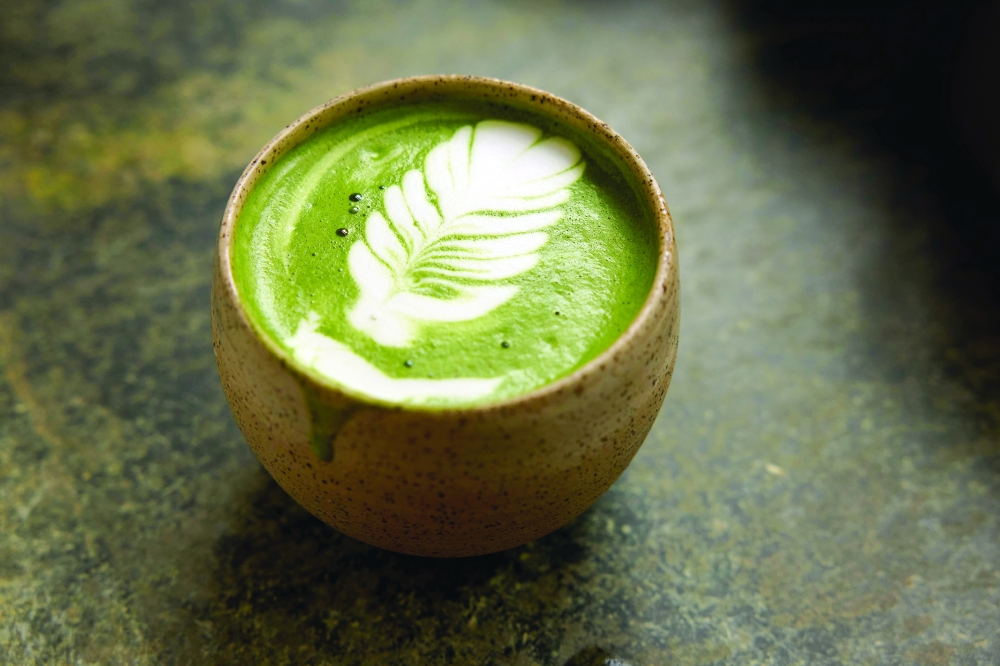
To understand why farmers cannot simply keep all the overnight converts happy by tripling production, it’s useful to remember that the most coveted matcha is milled from the first harvest of spring, when the leaves are sweetest.
“There’s really a supply shortage of first flush,” said Hannah Habes, founder of Matchaful, a New York-based retailer and wholesaler. According to Habes, first-flush matcha grown by a single farmer is the foundation of most of the lattes and other drinks sold at the seven Matchaful cafes. Buying directly from the producer or from well-established retailers is the best way to get what you’re paying for, tea experts say.
There is never as much of this first-flush tea as there is matcha from the second and third harvests, which tends to be more bitter and astringent. It’s typically labeled “culinary grade.” Culinary-grade matcha is suited for chocolates, brownies and sweet, milky drinks. Tea connoisseurs feel strongly that the finer grades are wasted in lattes and smoothies. — The New York Times
Oman Observer is now on the WhatsApp channel. Click here