




AL RUSTAQ: The ancient copper industry in Oman stands as compelling evidence of a sophisticated civilisation that became a leading industrial power nearly five millennia ago.
Historical records from Sumerian and Assyrian civilisations document copper exports from Oman to Mesopotamia, while archaeological sites across the country reveal extensive smelting remnants testifying to the industry’s scale and ingenuity.
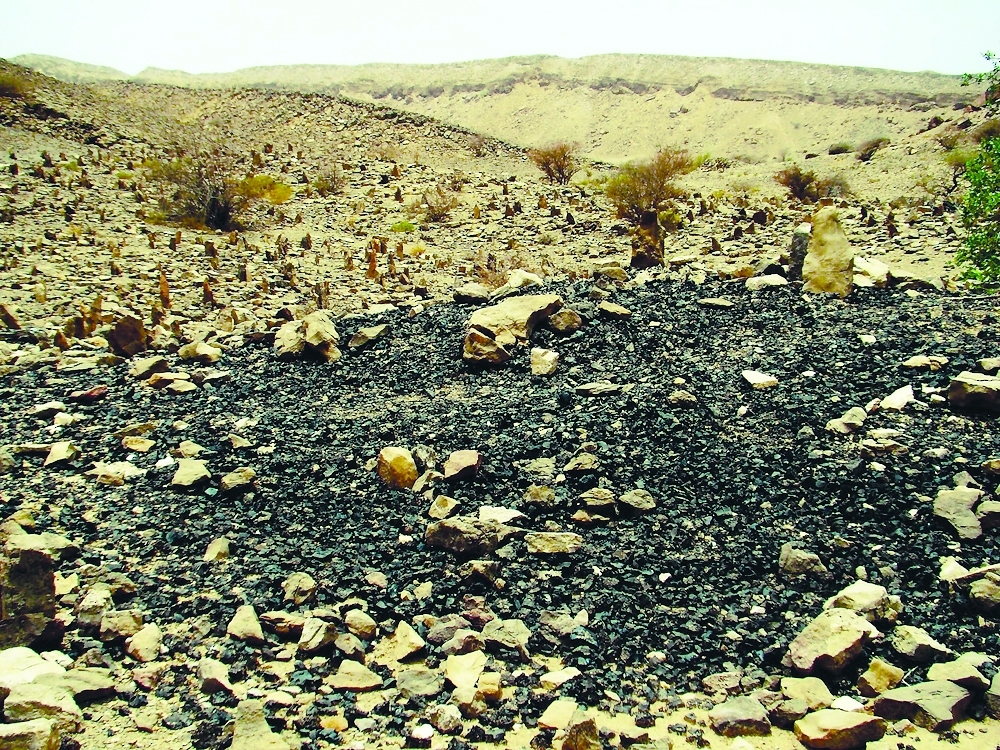
The village of Al Manaqi in the Wilayat of Al Rustaq, Al Batinah South Governorate, is among Oman’s most significant copper production sites.
Nestled amid valleys, it houses numerous ancient mines and smelting facilities, with thousands of tonnes of processing remnants still visible.
Harith bin Saif al Kharousi, a researcher in rock inscriptions and Omani history, said Al Manaqi was studied as a representative site among hundreds of ancient copper smelting locations in Oman.
"Other notable sites include the Salut site in Wadi Nam, Wilayat of Al Qabil, Al Sharqiyah North Governorate, which similarly showcases Oman’s enduring copper production heritage," he noted.
Al Kharousi explained that Omanis built smelting operations adjacent to copper mines to maximise efficiency. Near Wadi Mafaal in Al Manaqi, mine remnants are still visible. The sophisticated process involved transporting ore to nearby furnaces, purifying it and smelting using Samr wood, chosen for its high resin content that produced the intense heat required for extraction, alongside specially designed furnace structures.
"Workers used bellows to maintain furnace temperatures and manage carbon dioxide levels," he said. "Given that copper content in the ore averaged only 7 per cent, ancient smelters obtained less than 70 grammes of copper from each kilogramme of processed ore under ideal conditions." Molten copper was poured into clay molds, with copper-adhered pottery fragments still identifiable at the Salut site after thousands of years.
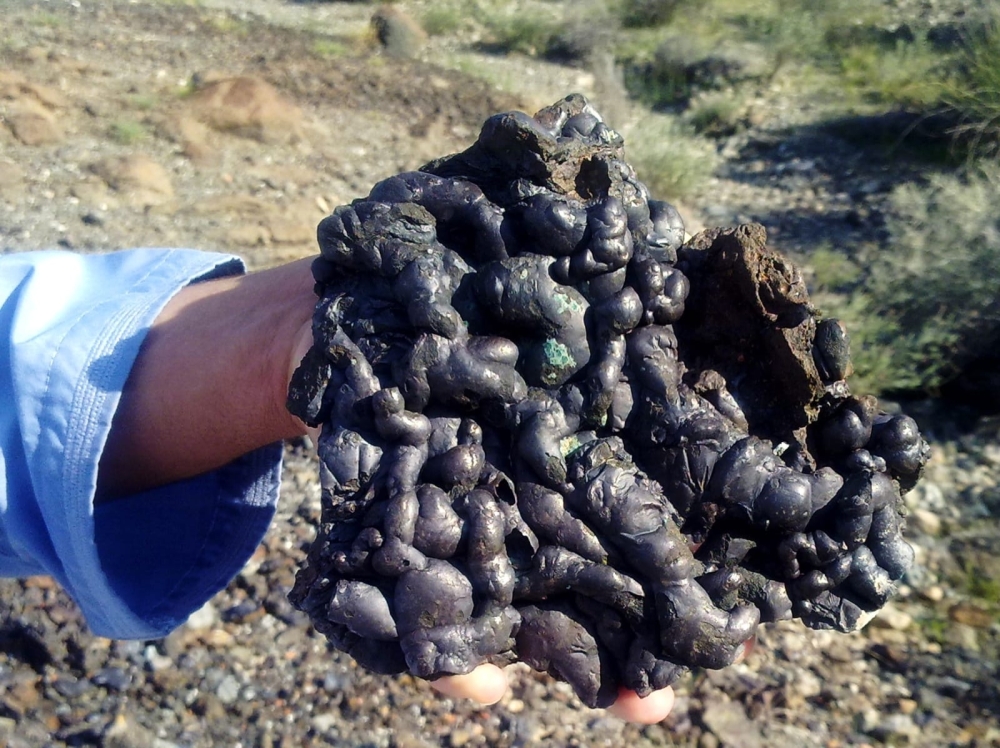
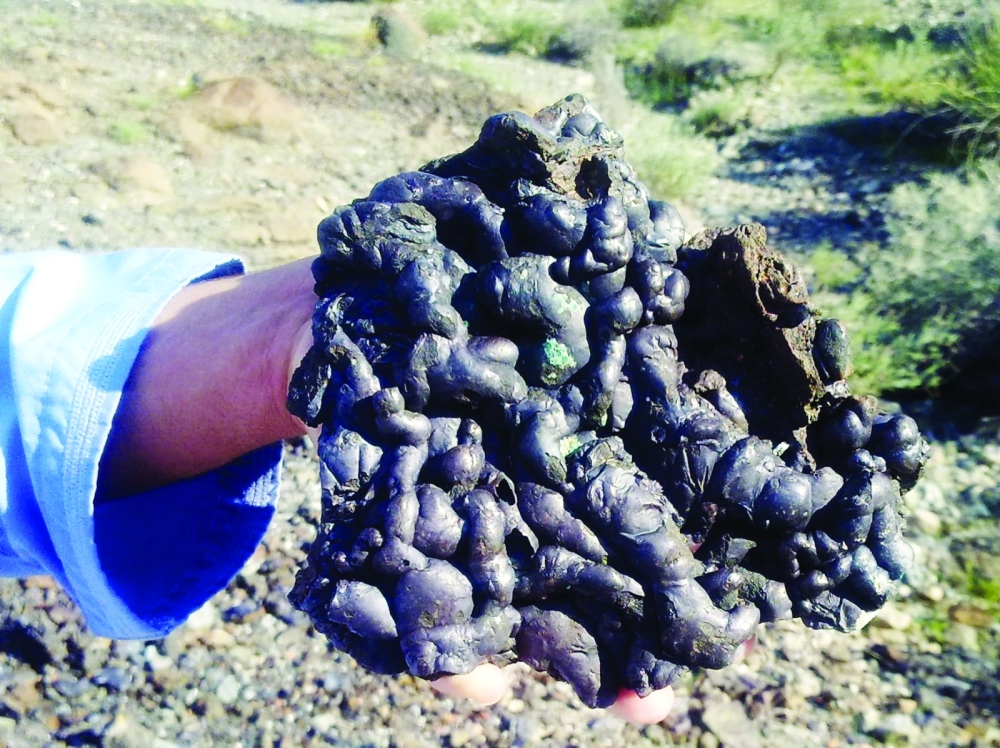
Al Kharousi noted that pure copper is a malleable yellow metal, roughly half as dense as gold, naturally occurring in igneous rock formations. Copper production in Oman began around 5,000 years ago, processing ores such as malachite and azurite, with chrysocolla deposits serving as indicators of copper-bearing formations.
He emphasised that Oman’s rich ophiolite rock formations contain mineral deposits including chromium, gold, copper, manganese and iron — a geological advantage that underpinned the ancient industry and earned Oman the name ‘Magan’ among Assyrian and Sumerian civilisations, meaning ‘the land of copper.’ - ONA
Oman Observer is now on the WhatsApp channel. Click here