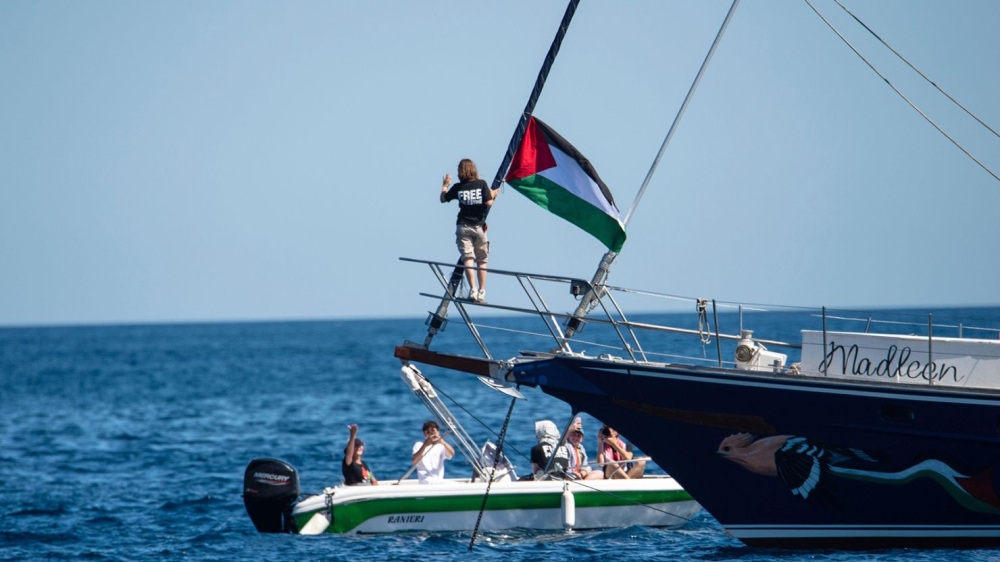
The Israeli aggression in Gaza and the conflicts resulting from its continuous occupation of Palestinian territories are not new, but the violence that started on October 7, 2023, reached extreme levels. This violence even crossed the sovereign borders of Lebanon, Iran, Yemen, Syria, and recently Qatar.
Over 70,000 Palestinians, including newborns, children and women, have been killed in this aggression. Millions have been left homeless and are starving to death.
The summit that took place in Egypt on Monday has raised high hopes for a long-lasting solution to these age-old conflicts. However, people around the world, especially those in Gaza and Palestine, are rightfully sceptical due to past experiences where things only worsened after temporary truces or ceasefires.
The US president declared the war over in Gaza ahead of the summit of world leaders to finalise an agreement aimed at ending the conflict. If investments follow for rebuilding efforts, a brighter future for Gaza and Palestine in the coming decades can be expected.
The Sultanate of Oman welcomed the agreement on terms and mechanisms for implementing the first phase of the ceasefire agreement in the Gaza Strip. It emphasised that the agreement will contribute to ending the war, releasing prisoners and detainees on both sides, and ensuring the flow of humanitarian aid to the Gaza Strip.
The Foreign Ministry stressed the importance of continuing regional and international efforts to consolidate the ceasefire and prepare the ground for a just and comprehensive political solution that guarantees the legitimate rights of the Palestinian people and achieves security and stability in the region.
The Sultanate of Oman expressed hope that the peace deal will pave the way for a full withdrawal of Israeli occupation forces from the Gaza Strip, create conditions for reconstruction, prevent the displacement of the Palestinian people, and support efforts for a just and comprehensive peace.
As we support the deal and look at it with hope, we must ask why it took the loss of 70,000 lives to reach this agreement. The conflict benefited no one except for some politicians, including Benjamin Netanyahu.
Looking towards the future, we must finally reach a peace deal. The United Nations Relief and Works Agency for Palestine Refugees (UNRWA) reported that as of October 1, 2025, 543 aid workers have been confirmed killed in Gaza.
Among these, over 370 workers have been killed since the war began. Children are facing extreme food deprivation, and acute malnutrition among children under five has more than doubled in the last year, with 132,000 expected to suffer through mid-2026.
Malnutrition was 27.9 per cent in Gaza City in the first half of September — nearly one in three young children is now malnourished, and the overall prevalence of malnutrition across the Gaza Strip is around 11.9 per cent.
Formal education is on hold in the Gaza Strip, with 660,000 children deprived of education due to the war. The education of children must be a part of any agreement to end the conflict in Gaza. The proposed plan must offer hope to more than 660,000 children out of school for the third year, and bringing them back to learning should be a collective priority to promote lasting peace and stability.
Education in Gaza is limited to distance learning programmes, amid severe challenges due to ongoing hostilities, displacement, and regular disruptions to telecommunications and Internet services.
Oman Observer is now on the WhatsApp channel. Click here