After years of bloodshed, broken homes, and broken hearts, a powerful stillness has returned to Gaza. There are days written in blood and there are days written in dust, but this day feels written in light. The war between Hamas and Israel has hopefully ended.
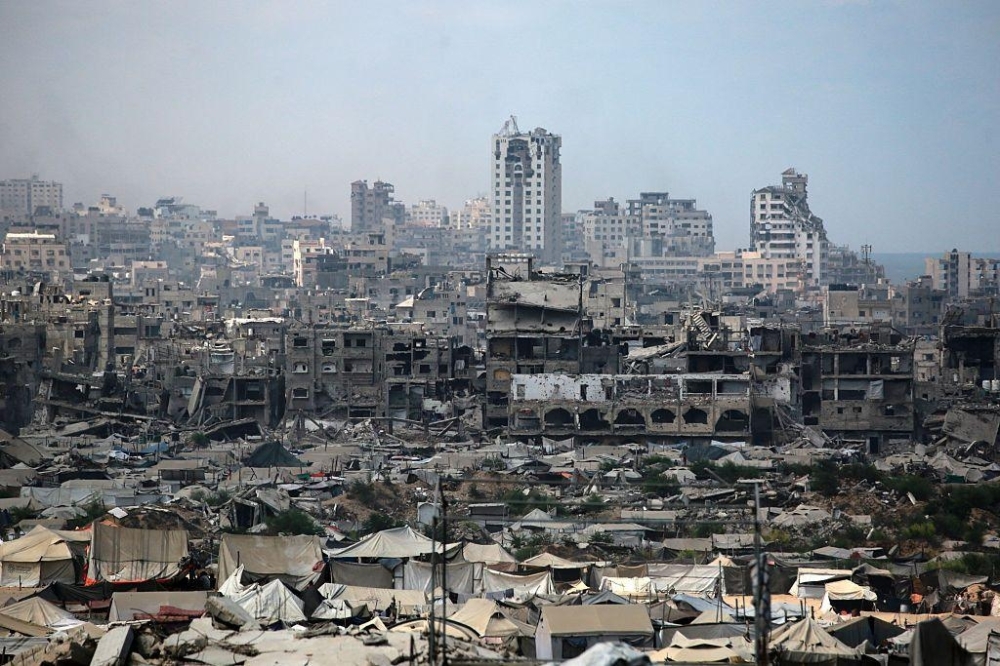
It is not the kind of ending that history books announce. It is quieter like a field of wildflowers blooming where a bomb once fell. The sky over Gaza today is not blue, it is not clear. It carries the ash of yesterday and the weight of years. And yet, for the first time in ages, it is not burning.
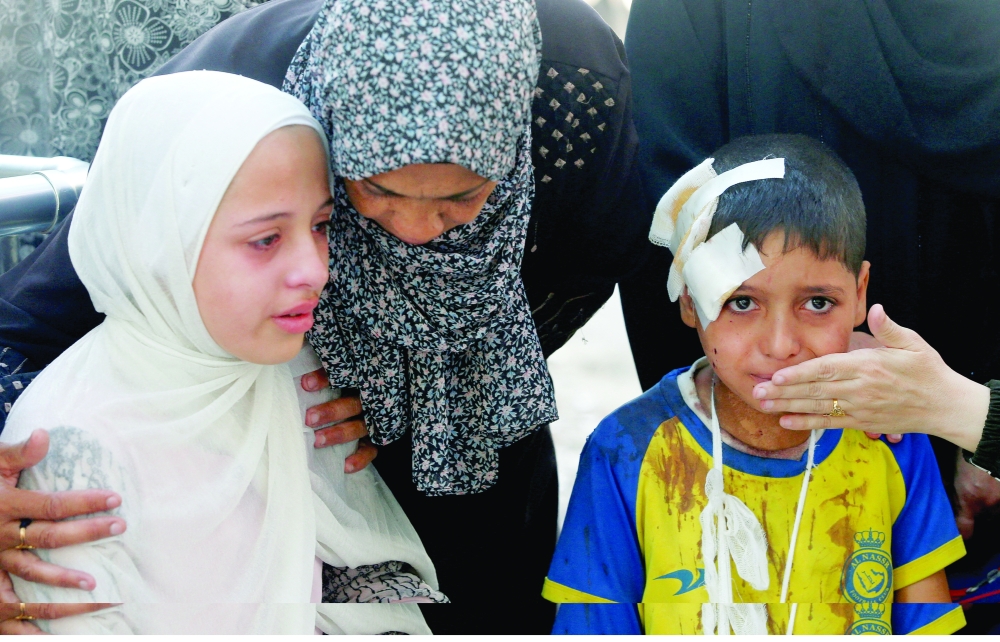
Children ask, “Why aren’t the planes here today?” Ceasefires are not unfamiliar in this region, but this time, something feels different. Children who once learned the sound of missiles before the alphabet are waking up to the sound of birds. Mothers who memorised escape routes are now wondering how to cook a meal with peace in their kitchens.
For too long, children on both sides of the border have grown up under the shadow of fear. In Gaza, entire neighbourhoods vanished in seconds. In Israel, the trauma of sudden attacks, air raids and the haunting unknown of captives became a daily reality. The war was not just about missiles and politics; it was about mothers burying children, fathers searching through remnants and children learning to recognise danger before they learned how to read.
Across Gaza, people emerged from the ruins not only to count their losses, but also to hold to whatever life they could find. Makeshift schools, community kitchens and underground clinics built not with weapons, but with resolve. That same spirit now fuels cautious celebrations in the streets: children flying kites where drones once hovered, families hanging laundry on broken balconies as if to tell the world, we are still here.
This is not peace yet. But it is an opening for dialogue over destruction, for recovery over revenge, for justice that heals rather than punishes, and for children who grow up dreaming instead of hiding. It marks the first breath after drowning.
When the news broke that the war was over, it did not come with fireworks or parades. It came with silence that followed grief. Mothers in Gaza washed their children’s faces not just of dust, but of fear.
Somewhere in the gray between, the ghosts of the last two years — buildings, names, stories — rose from memory, asking the living to do better. The war ended because people could not bear another burial, another child lost, another night of anger and revenge.
This ceasefire is not a finish line. It is a beginning. One reckless decision, one broken promise, and the fire could return. But for now, the guns are silent, and the talks are ongoing. This is the miracle of peace: not that it erases the past, but that it opens the door to a different future. Let the sky be blue again — not because we forget the gray, but because we choose to believe in the light.
Still, the ceasefire between Hamas and Israel is not a final call of peace, but a fragile pause in a symphony of conflict that has played on for decades. It is a breath held in a room still thick with smoke — a whisper of silence between storms. For the civilians, it offers momentary relief, a chance to bury the dead, care for the wounded, and hope for something more than survival.
However, this fragile ceasefire cannot be taken for granted. It is not peace; it is the possibility of peace, and that possibility is as fragile as glass. The wounds remain unhealed, and the roots of the conflict are deep, raw, and unresolved.
Real peace demands vigilance, compassion and the courage to imagine a different future — not just from politicians, but from people on both sides of the border. Peace has not arrived, but it is knocking.
Abdulaziz Al Jahdhami
The writer is author, translator and a communications professional
Oman Observer is now on the WhatsApp channel. Click here