




GENEVA: The UN's environment chief insists that a landmark global treaty tackling plastic pollution remains achievable, despite talks twice imploding without agreement, and the chair suddenly resigning last week.
United Nations Environment Programme (UNEP) executive director Inger Andersen said in an exclusive interview that countries were not walking away, regardless of their sharp differences on combating the ever-growing problem, including in the oceans.
A large bloc wants bold action such as curbing plastic production, while a smaller clutch of oil-producing states wants to focus more narrowly on waste management.
Supposedly final talks in South Korea in 2024 ended without a deal — and a resumed effort in Geneva in August likewise collapsed.
Countries voiced anger and despair as the talks unravelled, but said they nonetheless wanted future negotiations.
"We left with greater clarity. And no one has left the table," said Andersen. "No one has walked away and said, 'This is just too hopeless, we're giving up'. No one. And all of that, I take courage from."
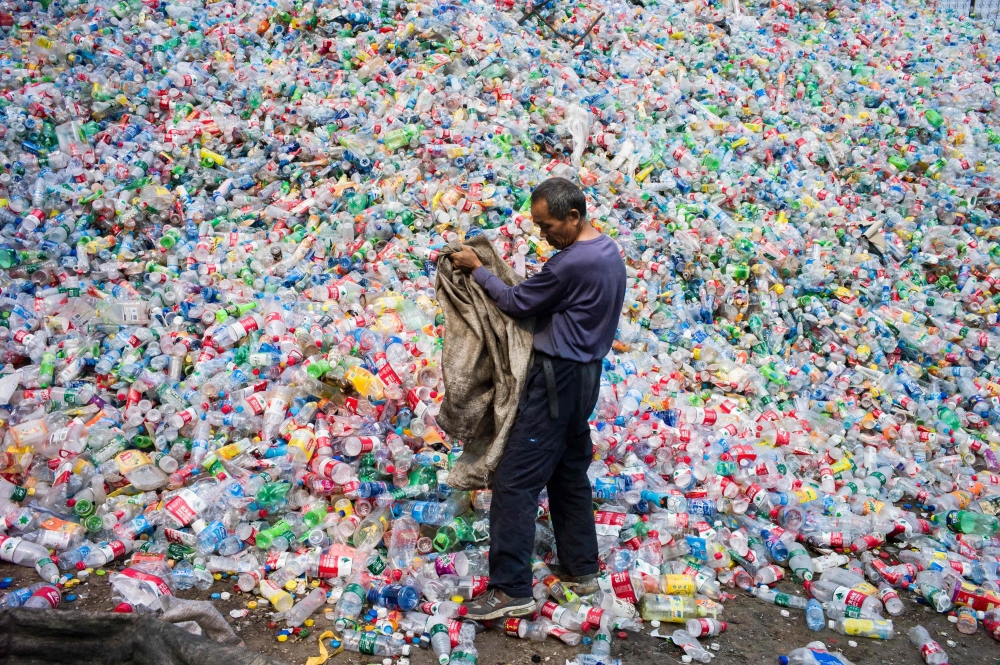
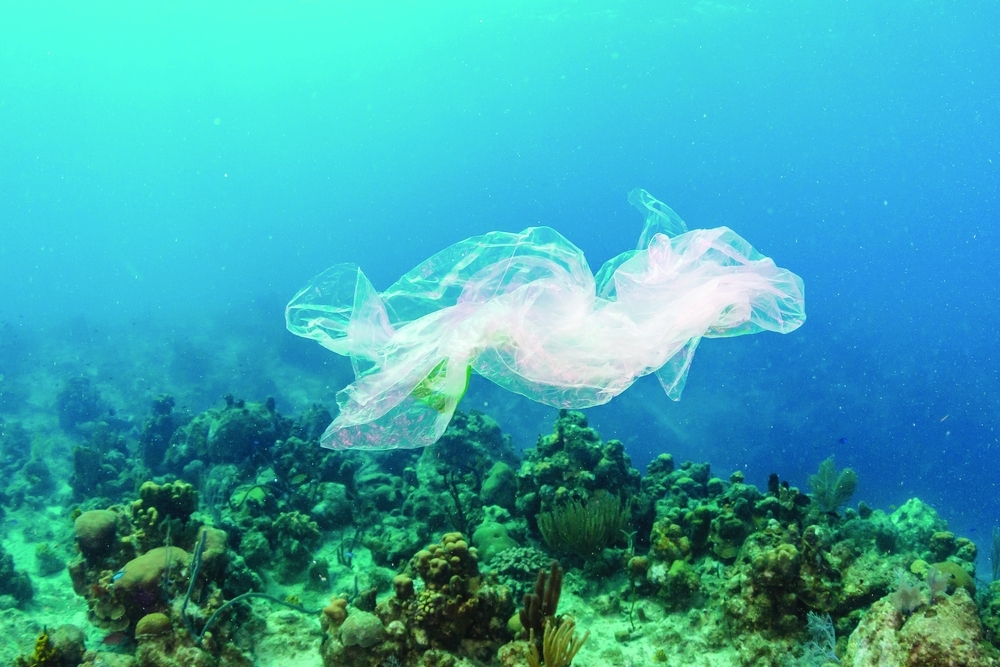
The plastic pollution problem is so ubiquitous that microplastics have been found on the highest mountain peaks, in the deepest ocean trench and scattered throughout almost every part of the human body.
More than 400 million tonnes of plastic are produced globally each year, half of which is for single-use items.
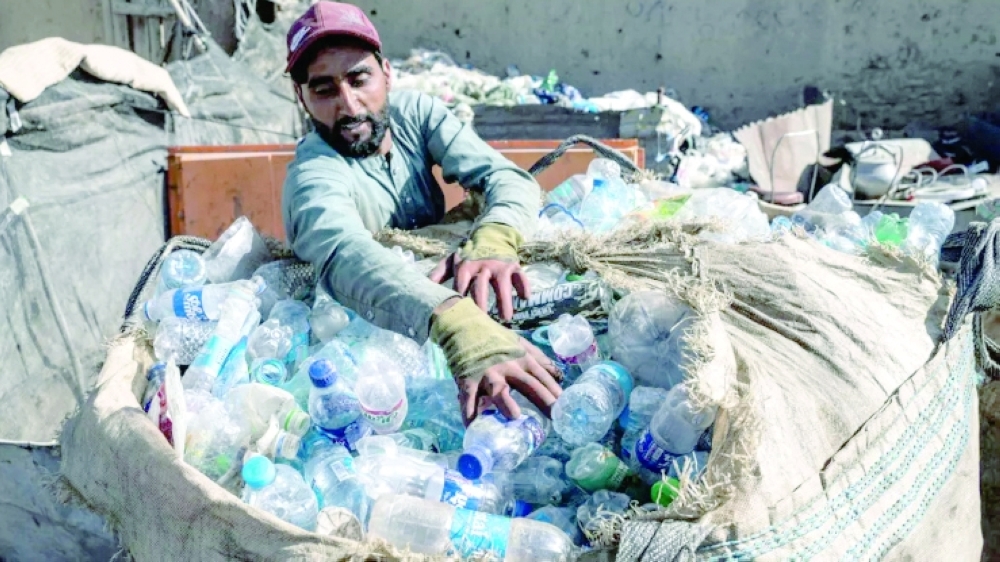
While 15 per cent of plastic waste is collected for recycling, only nine per cent is actually recycled.
Nearly half, or 46 per cent, ends up in landfills, while 17 per cent is incinerated and 22 per cent is mismanaged and becomes litter.
Annual production of fossil fuel-based plastics is set to triple by 2060.
As things stand, there is no timetable for when further talks might be held, and no countries have made formal offers to host them.
But Andersen "absolutely" thinks a deal is within reach.
"This is totally doable. We just need to keep at it," she said.
UNEP has been shepherding the talks process, which began in 2022.
Summarising where countries are at, Andersen said: "The mood music is: 'we're still in the negotiations. We are not walking away. We have our red lines, but we have a better understanding of the others' red lines. And we still want this."
Andersen said Norway and Kenya convened a well-attended meeting at the UN General Assembly in New York last month.
The COP30 climate summit in Brazil in November will provide another opportunity to put the feelers out, ahead of the UN Environment Assembly in Nairobi in December.
Luis Vayas Valdivieso, Ecuador's ambassador to Britain who chaired the last three of six negotiation rounds, has announced he is stepping down, leaving the process rudderless. — AFP
Oman Observer is now on the WhatsApp channel. Click here