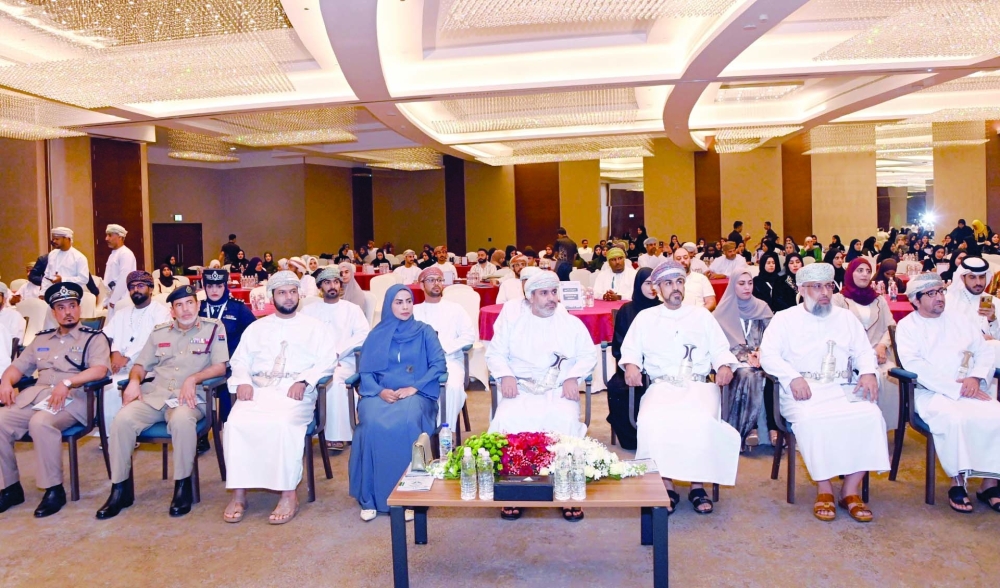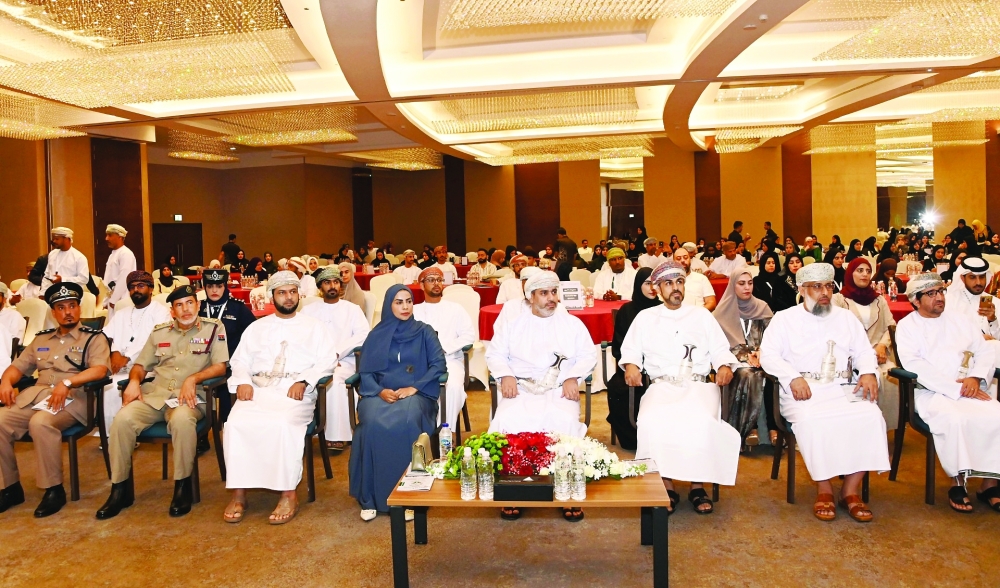





MUSCAT: The First GCC Mental Health Conference was held under the theme 'Access to Services: Mental Health During Disasters and Emergencies.'
The three-day conference was organised by the Ministry of Health, represented by Al Masarra Hospital.
The event coincides with World Mental Health Day. The opening ceremony was held under the auspices of Sulaiman bin Nasser al Hiji, Under-Secretary of the Ministry of Health for Administrative and Financial Affairs, and attended by government officials, specialists and researchers in the field of mental health from Oman and other GCC states.
The conference seeks to raise public awareness about mental health and enable researchers, decision-makers and health professionals to exchange expertise and knowledge. It also aims to showcase the latest research and innovative strategies that contribute to improving access to efficient mental health services.
The activities included sessions about addiction, artificial intelligence (AI) and the role of traditional media and social media in highlighting mental health.
During the sessions, Omani researchers presented specialised research papers titled 'Early screening for autism spectrum disorder', 'Stigma about seeking psychological assistance' and 'Types of psychological stress among family caregivers'.
The sessions also included scientific debate about the role of smart technologies in supporting mental health services and the Ministry of Health's approach to integrating AI into its services in line with Oman Vision 2040. At the conclusion of the ceremony, the chief guest toured an exhibition featuring field studies and research on various topics.
Earlier, Oman joined countries around the world in observing World Mental Health Day, which falls on October 10 each year, reaffirming the importance of creating a supportive environment for mental well-being and reducing the stigma surrounding mental illness.
Mental health specialists told the ONA that raising awareness about psychological balance has become increasingly vital amid mounting professional and social pressures. They noted that maintaining good mental health enhances productivity and creativity while reducing symptoms of anxiety and depression.
Dr Zakia bint Qahtan al Busaidiyah, Senior Consultant in Family Medicine and Psychotherapy at the Nine Center and the Oasis of Hope Consulting Center, emphasised that mental health should not be seen as a luxury or secondary concern, but as a foundation for both physical well-being and personal effectiveness.
She highlighted that studies have shown chronic stress weakens the immune system and contributes to serious health problems such as heart disease, diabetes and sleep disorders.
Dr Zakia added that maintaining mental stability begins with adhering to core personal values that empower individuals to face difficulties with inner peace. “Those who maintain psychological balance protect themselves from burnout and strengthen their ability to create, give and build healthy relationships,” she said.
Dr Firas bin Ali al Ajmi, a psychiatrist, noted that achieving psychological balance has become increasingly challenging in modern times. “The first step is self-awareness, which enables individuals to deal with stress before it escalates into a psychological crisis,” he explained. He pointed out that organising a daily routine — through adequate sleep, proper nutrition, regular physical activity, and planned rest — is essential for mental well-being.
Dr Firas further stressed the need to set healthy boundaries in personal and professional relationships. “Saying ‘no’ when others overstep boundaries is not selfish; it is an act of self-respect,” he said, adding that awareness of psychological prevention is growing, particularly among the youth.
In the same context, Aisha bint Amer al Nadhiriyah, psychologist, marital relations consultant, and CEO of the Kingdom of Kindness Family Consulting Center, said that young people today face constant mental pressure as they are the most connected to screens and most vulnerable to social comparison and loneliness.
“Studies have shown that prolonged screen exposure contributes to depression in about 4 per cent of users,” she explained.
Aisha added that the digital age demands a new approach to therapy. “Instead of waiting months for appointments, clients can now connect with specialists through short, frequent online sessions for continuous monitoring and support,” she said. — ONA
Oman Observer is now on the WhatsApp channel. Click here