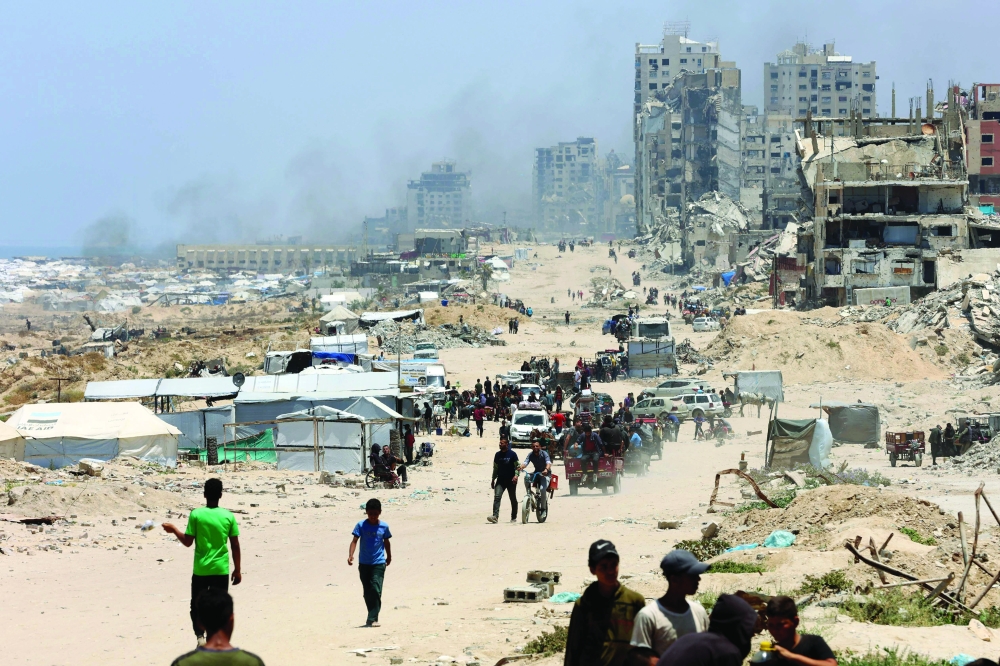
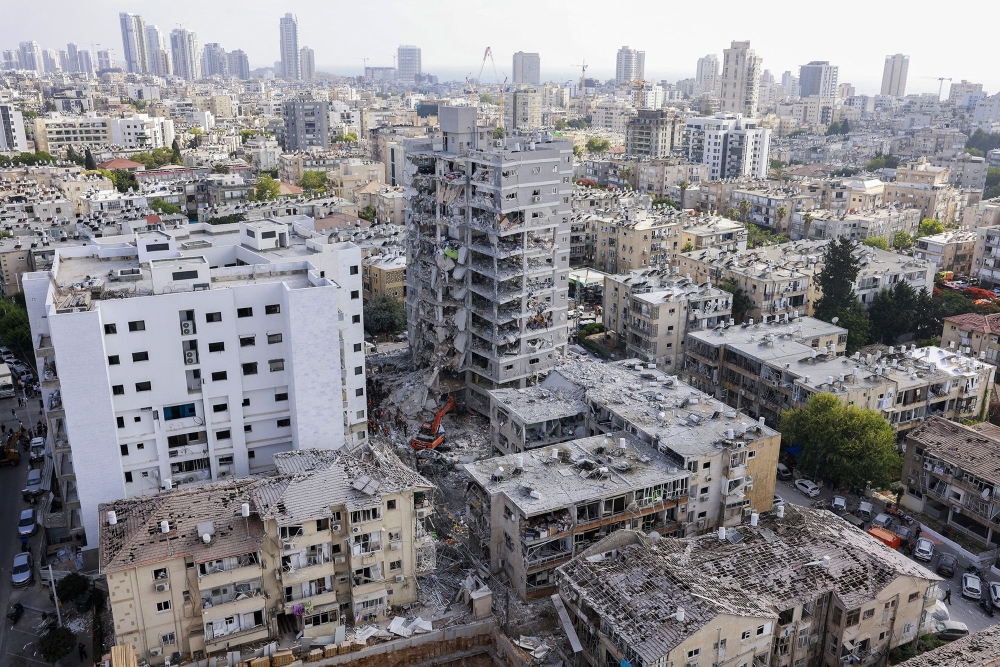
Each day, in the hills overlooking the border between Israel and Gaza, residents of the Israeli town of Sderot gather at an observation point. From this vantage, the land drops away towards Gaza, often veiled in a grey haze. Over time, this site has become known by Israelis as the Sderot Cinema. During periods of bombardment, Israeli families have assembled there. Parents with their children, sitting on folding chairs or makeshift benches, watching the distant flashes of explosions.
Some have brought popcorn and soft drinks, treating the spectacle as a form of grim entertainment. Witnesses said people clapped and cheered each time a strike hit Gaza.
Would this audience have felt differently if they could have heard the screams of pain and terror from children or the agonised cries of horror as parents carried their children, bloodied and dismembered, to hospitals that were no more than rubble, with doctors without the means to help.
Most Israelis, according to recent polls, have no empathy for such families. This phenomenon has come to symbolise a disturbing moral dissonance. The act of watching destruction unfold, particularly when it claims the lives of civilians, including children, reflects a society desensitised to the suffering of others. In this setting, the boundaries between observer and participant, victim and perpetrator, appear blurred.
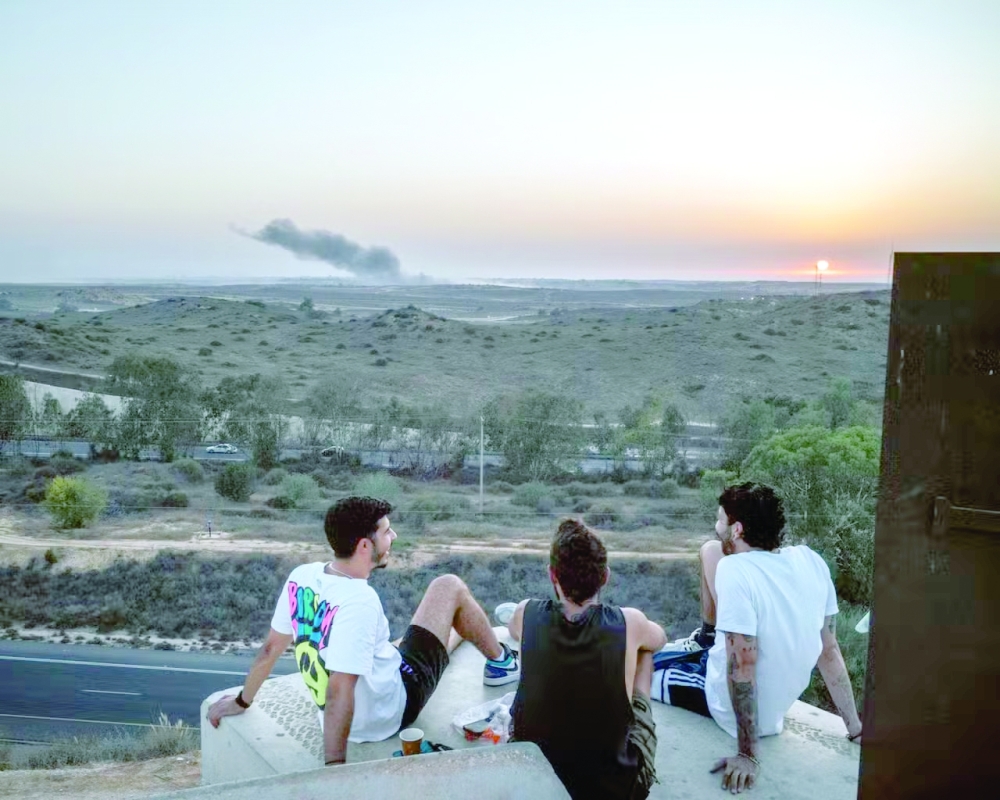
The dehumanisation of Palestinians, long embedded in the rhetoric of occupation and conflict, has not only stripped Palestinians of their humanity in the eyes of most Israelis, but has also eroded the moral sensibilities of those who watch. The Sderot Cinema stands as a stark metaphor for this moral collapse: a space where war becomes spectacle and empathy is replaced by indifference.
Historical parallels are inescapable. In the 1940s, many ordinary Germans lived near concentration camps, aware of the atrocities yet unwilling to confront them as crimes against humanity. Today, similar patterns of denial and rationalisation appear in Israeli society, where reports of mass civilian suffering in Gaza are often dismissed as exaggerations or propaganda. A recent poll by the Israel Democracy Institute underscored this detachment. When asked in July whether they were personally troubled by reports of famine and suffering among Palestinians in Gaza, 79 per cent of Israeli respondents said they were “not very troubled” or “not at all troubled.” The comparison to past atrocities is not made lightly. It serves as a warning of what happens when nationalism and ideology override empathy and moral accountability.
The Sderot Cinema is not merely a physical place; it is a reflection of a society that has normalised the viewing of human suffering as part of daily life. What must follow is not vengeance but justice: a reckoning with the systems, the fascist ideology of Zionism, and the extremist Israeli leadership of Netanyahu that have enabled such dehumanisation. Only through accountability can any society reclaim its humanity. The world once said "never again" after the Nazi genocide, but an ideology as bad as if not worse than Nazism is now protected by western powers who once gave up the best of their brave young men to fight against a fascist ideology. I have visited the grave yards of these young men in Normandy which stretch as far as the eye can see. Their white gravestones bear witness to their ultimate sacrifice and the betrayal of what they died for is difficult to contemplate.
Oman Observer is now on the WhatsApp channel. Click here