




There’s a popular refrain among Somali creators on TikTok: “Ilahayow guri aan shaah laga karin hana dajin”, or “God, don’t let us live in a house where tea is not brewed”.
What is it about a warm cup of tea? For Ifrah F Ahmed, a Somali-born writer, chef and recipe contributor for New York Times Cooking, who grew up drinking caano iyo shaah and the many variations of milk tea from across the world, it’s connection to her younger self. When Ahmed was growing up, her mother would make shaah with black tea, pounding spices and fresh ginger in a mortar and pestle to add to the brew. Sugar was optional, then it was all topped off with either whole milk or Nido milk powder.
Samar Bengawi, a Sudanese writer and final-year medical student at European University in Tbilisi, Georgia, said that, in her home country, “hot tea is not a side character, it’s the main”.
In Sudan, tea culture is more defined, Bengawi said and, generally, tea is made from black tea and infused with herbs and spices. Milk tea is typically served early or at the end of the day. Black tea is used as a digestif after a heavy meal, usually lunch. But the setting is variable and tea makes an appearance whenever someone comes through the door, or in times of celebration or mourning: “It’s an unspoken rule out of respect to only serve black tea”, she said.
I grew up in Lagos with tea as a simple, often-unacknowledged facet of everyday life. It was a loose affair, with tea referring to any warm drink — black tea or hot chocolate — sweetened and often diluted with milk. People would perch steaming cups in their upturned palms, swishing brews as they spoke, warmth against the day’s heat. Much like the pepper soup we eat even on the hottest days of the year, it was a way of slowing down, of warming from the inside.
But I have recently begun exploring the tea rituals across the African continent, tasting and brewing various black teas with mostly sweet spices and sweeteners like honey, dark brown sugar or maple syrup. These explorations have led me to Sudanese shai magnan (burned milk tea), which starts the day for millions across Northeast Africa and beyond.
An aromatic arrangement, a gentle nudge, a subtle voice asking me to open my eyes and begin my day, shai magnan is always brewed hot and sweet. Cardamom and cloves are a must; and the cup can be rounded out with more milk, cinnamon, ginger, allspice and black pepper, to a guest’s or cook’s taste. And if you are someone who gravitates towards the ritual of making tea, it can be an anchor. — The New York Times
Shai Magnan (Sudanese Burned Milk Tea)
Total time: 15 minutes
Prep time: 5 minutes
Cook time: 10 minutes
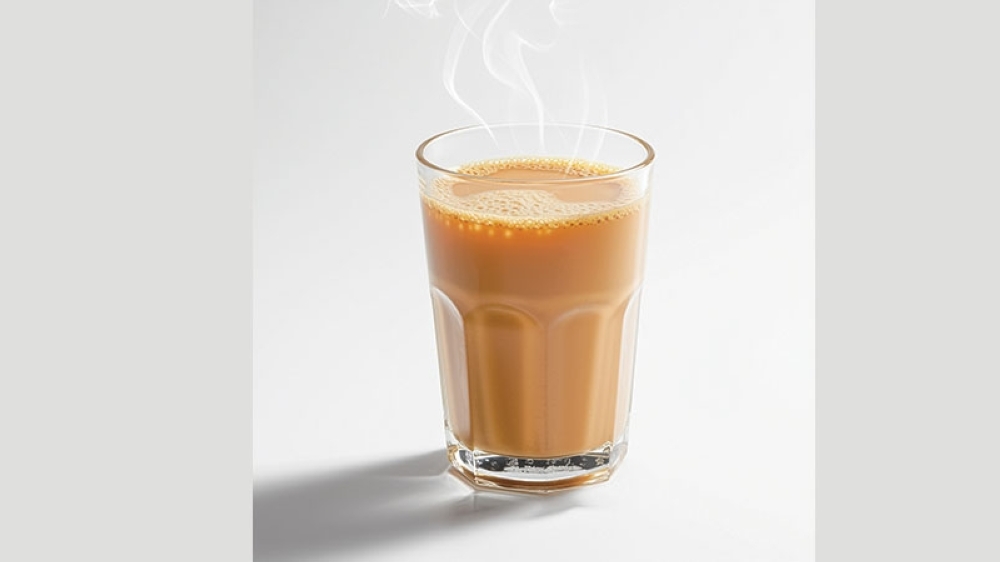
A style of milk tea from Sudan, shai magnan is typically made by cooking milk down to a deep golden brown. Black tea is brewed in a separate pot with spices and sugar, then eventually poured gently into the browned milk. Spattering ensues and, for the uninitiated, it could prompt some dodging to avoid hot milk burns. Here, molasses, with its robust sweet-savouriness, mimics the nuanced flavour of the cooked milk without having to cook it down. It's a shortcut that results in a similar brew for an anytime cup to enjoy on its own or with a favourite butter cookie or shortbread.
Oman Observer is now on the WhatsApp channel. Click here