




Muscat- The National Risk Register (NRR) in the Sultanate of Oman constitutes a strategic tool in the national risk management system based on a systematic approach to building human and material capacities by anticipating potential natural and unnatural risks.
The NRR, through its short, medium, and long-term publications, provides an inventory and documentation of potential risks, their accurate assessment and analysis, and their impact on a set of values of utmost importance to the Sultanate of Oman, as well as identifying preventive measures.
The NRR aims to provide decision-makers with data and insights on potential risks, enhance national integration among relevant stakeholders, identify gaps in capacity building, and improve the system of preparedness to confront risks that affect national plans in various fields, especially economic and social ones. It also aims to define national priorities and establish a culture of risk management at the national, institutional, and individual levels, increase investor interest in resilience measures, and stimulate foreign investment attraction.
The register also aims to protect human life, safety, security, and welfare, as well as essential services and their continued provision in the required manner and quality, the economy, the environment, heritage and tourism sites, and the reputation of the Sultanate of Oman.
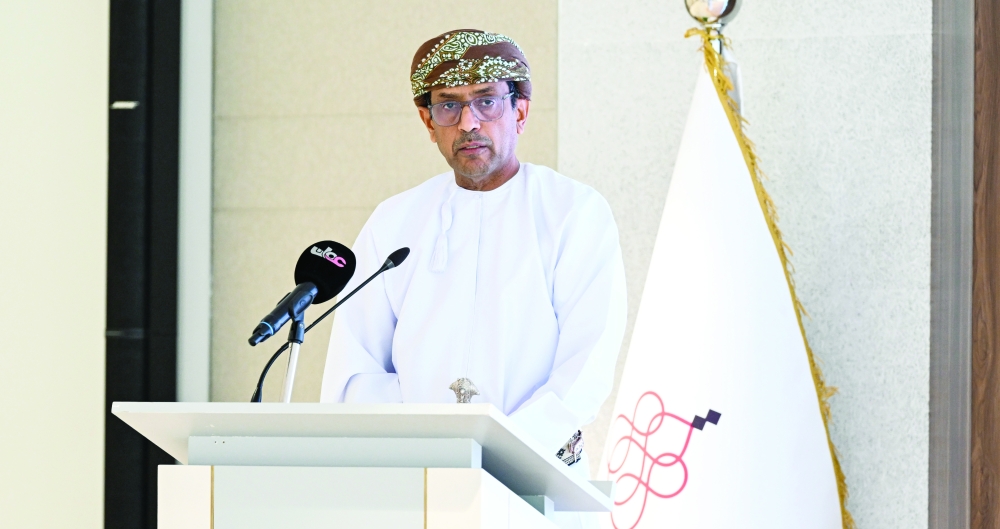
Sheikh Rashid bin Ahmed Al Shamsi, Undersecretary of the Ministry of Social Development and Head of the Social Sector, said: "The National Risk Register is a national system built on scientific foundations that anticipate potential risks. These risks are then analyzed to determine priorities, and national strategies are developed to effectively manage these risks and mitigate or limit their impact. These strategies are then incorporated into development plans."
Dr. Yousef bin Salem Al Hinai, a risk management expert, pointed out that the National Risk Register is a pivotal tool that brings together various entities under one umbrella to achieve a shared understanding of risks and address them efficiently and quickly.
He added that the register provides a clear classification of risks and facilitates the exchange of information between agencies, which helps prioritize and allocate resources more accurately. It also enables the implementation of joint exercises that simulate real-world situations and continuously feed lessons learned into national plans.
He explained that the National Risk Register is not just a document, but a vibrant operational system that strengthens coordination, enhances preparedness, and reduces the impact of crises on society and the economy, making Oman better prepared to face future challenges with confidence and effectiveness.
Saif bin Ali Al Ya'arubi, Managing Editor of the Oman News Agency and Media Sector Coordinator, said that the National Risk Register was guided by Oman Vision 2040 and the five-year plans to prioritize risks in its short, medium, and long-term publications based on their likelihood of occurrence and the severity of their impact.
He added that the registry enhances confidence and the reputation of the Sultanate of Oman in its various future directions, given its approach, which provides a clear picture of prediction, assessment, and the factors that increase or mitigate risks, as well as monitoring and early warning, which facilitates their management, mitigation of their effects, and the creation and extraction of opportunities from some of them.
The registry, in addition to consolidating a culture of risk management at the national and institutional levels, also contributes to its consolidation at the family and community levels, such as adhering to safety standards and measures, obtaining information and data from official media institutions, making informed decisions in emergencies, and contributing to community initiatives.
Oman Observer is now on the WhatsApp channel. Click here