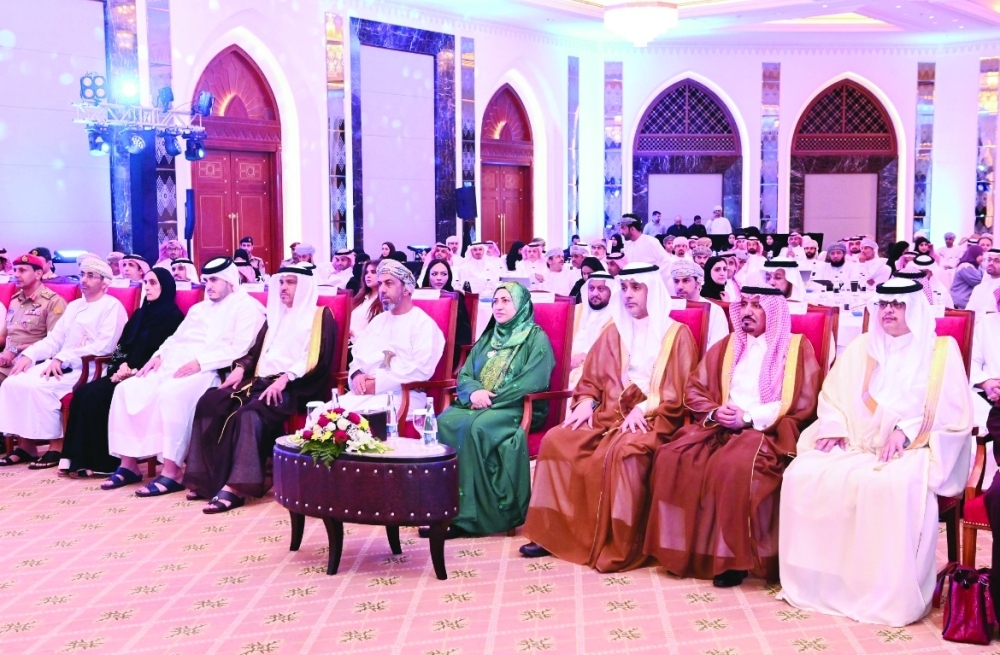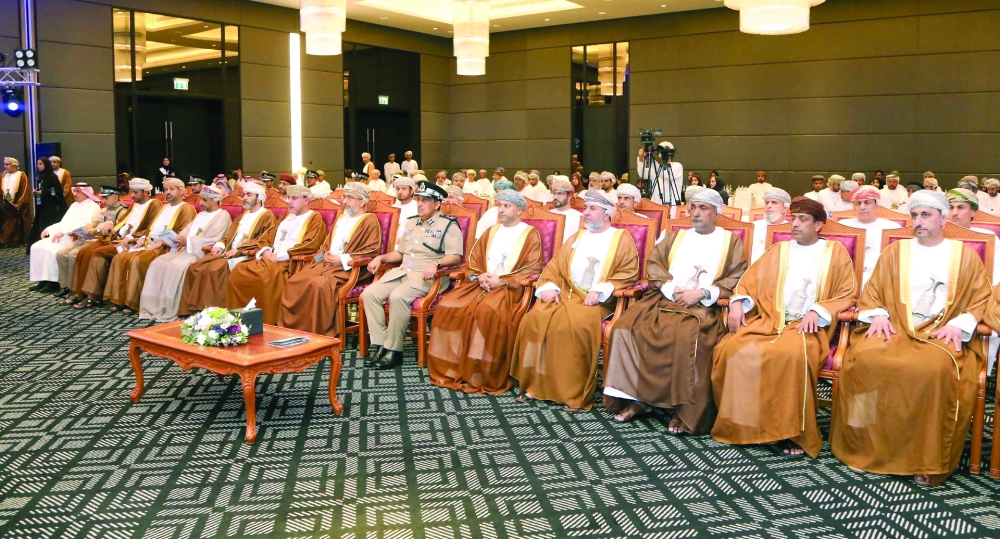





MUSCAT: A Forum on City Resilience to Climate Hazards and Major Incidents commenced its work in Muscat on Monday.
Organised by the Ministry of Interior, the three-day forum aims to establish a joint knowledge base among GCC countries on city resilience, and enhance regional partnerships to develop innovative solutions that mitigate climate risks and support infrastructure sustainability. It features the participation of specialists from the Sultanate of Oman and GCC member states.
The forum's opening ceremony was held under the auspices of Maj Gen Sulaiman bin Ali al Husseini, Chairman of the Civil Defence and Ambulance Authority.
In the ministry's speech, Sayyid Khalifa bin Al Murdas al Busaidy, Secretary-General of Governorates Affairs at the Ministry of Interior, highlighted that over the past decades, Oman has paid great attention to risk management and minimising the effects of natural disasters. Competent authorities have worked to develop an integrated national emergency system and adopted best practices that enhance urban resilience, while investing in strengthening the infrastructure of the national protection system against the effects of climate hazards.
He added that holding this forum is an embodiment of the efforts of the National Committee for Emergency Management (NCEM), the sub-committees in the governorates, the municipalities, and other relevant bodies to promote the concept of joint institutional work. More than 20 government institutions and participants from GCC states are taking part.
He pointed out that the forum includes 26 working papers distributed across five main themes over five sessions, each followed by a discussion panel, with the aim of issuing practical recommendations that contribute to raising city readiness and reducing the effects of climate hazards and major incidents.
Major Talal bin Yaqoub al Hadhrami, Assistant Director of Operations and Training at the NCEM, gave a visual presentation on the workflow system of the NCEM in dealing with emergencies and major incidents, in addition to its organisational structure and the roles of supporting entities within the system.
Colonel Zayed bin Hamad al Jenaibi, Head of the NCEM, stressed the forum's importance, noting that the City Resilience Forum is a significant step in the process of building resilient cities and enhancing national readiness, both in Oman and in the GCC states.
He stated that the forum gains its significance by hosting an elite group of specialists and stakeholders in this field, and by presenting working papers that address multiple axes related to the sustainability of cities and their ability to adapt to climate change and various environmental challenges.
He noted that the scientific papers and discussions will all be directed towards achieving the ultimate goal: enhancing cities' ability to face risks and reducing material and human losses, thereby contributing to raising the level of readiness, integration and joint coordination among various entities concerned with emergency management.
Eng Abdulrahman al Marzooqi, Director of Public Health and Safety Department at the Department of Municipalities and Transport in Abu Dhabi, stated that the City Resilience Forum is a crucial platform for enhancing cooperation and exchanging experiences among GCC countries in the fields of emergencies, crises and business continuity, especially amid the increasing challenges resulting from climate change and its direct impact on infrastructure.
He affirmed the importance of joint action to develop response and readiness systems, adding that through this forum, with the presence of specialists and experts, they seek to produce practical recommendations that enhance integration among relevant entities and contribute to building more flexible and sustainable cities capable of facing various risks and emergencies.
The first day's programme included two main sessions: The first is 'The Concept of City Resilience,' which included working papers discussing community flexibility, mechanisms for adapting to climate change, and the role of security agencies and civil defence in risk management.
The second main session is titled 'Climate Change and its Impact on Cities,' which reviewed working papers on resilient infrastructure, building national flexibility, early warning experiences, the climate impact on road projects, and a paper that addressed the lessons learned from the collapse of the Wadi Derna Dam incident in Libya.
The opening of the forum was attended by senior officials and representatives of relevant entities. — ONA
Oman Observer is now on the WhatsApp channel. Click here