Venezuela, a nation once defined by its vast oil wealth and vibrant political landscape, now navigates a period of deep uncertainty.
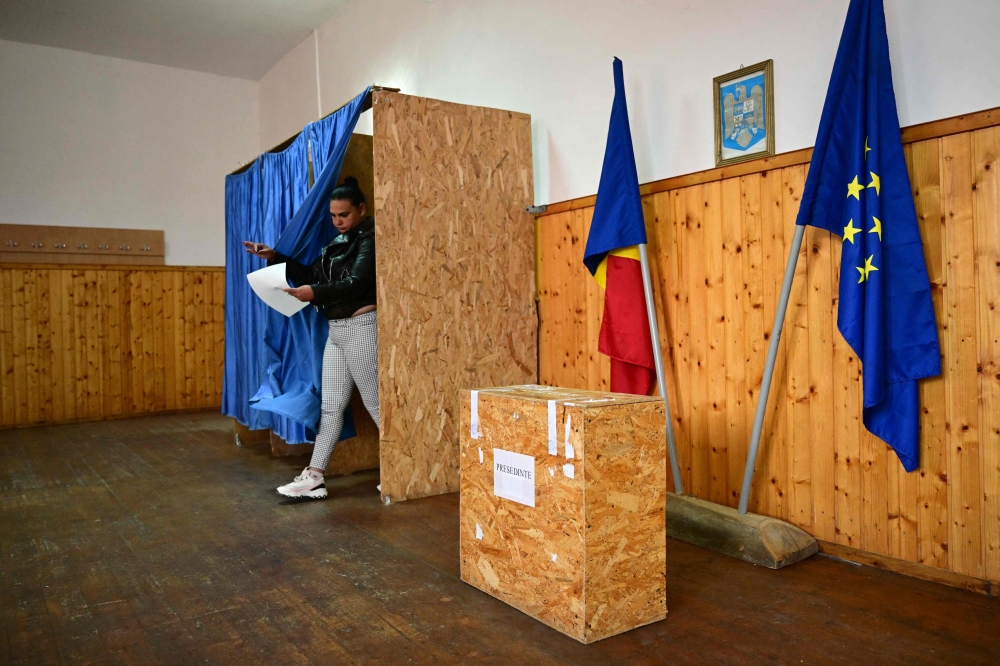
Its trajectory is shaped by internal forces, historical legacies, and external pressures. The presidential election held on July 28, 2024, exposed the fragility of the political system, attracting criticism for its lack of transparency and fairness. The controversy surrounding the vote underscores the nation’s ongoing turmoil and has drawn renewed global attention to its crisis.
The modern political story of Venezuela traces back to the Bolivarian Revolution launched by Hugo Chávez in 1998. His rise to power marked a decisive shift, using the country’s oil revenues to fund ambitious social programmes and challenge Western influence. While this populist vision earned him strong support among the poor, it deepened social divisions and left the economy dependent on oil.
After Chávez’s death in March 2013, Nicolás Maduro inherited a divided electorate and a declining economy. His presidency has since been marked by the erosion of democratic norms, the suppression of dissent, and frequent protests often met with force. Expanded sanctions have further isolated the regime and worsened the economic collapse.
The internal political climate remains unstable and fraught with humanitarian distress. The integrity of Venezuela’s democratic institutions faces scrutiny, particularly after the 2024 election.
During his presidency, Donald Trump declared in 2017 — and again in 2019 — that he would not rule out a ‘military option’ against Caracas. Though no action followed then, his stance resurfaced dramatically in 2025. Recent months have seen a series of US military operations in the southern Caribbean, including September 2025 strikes on vessels allegedly linked to Venezuelan criminal networks, resulting in multiple casualties and regional alarm.Trump justified these actions as part of a campaign against transnational drug cartels, but many viewed them as a direct show of force toward Maduro’s government. A parallel naval build-up near Venezuelan waters and new tariffs on countries importing Venezuelan oil have revived fears of confrontation and reinforced the image of Washington’s hardening posture.
Diplomacy has oscillated between confrontation and cautious engagement. The US backed opposition leader, Juan Guaidó, and under the Biden administration, it eased some oil sanctions in exchange for electoral commitments. These efforts reflect attempts to balance strategic interests with humanitarian concerns. Yet the outcome has been continued isolation for Venezuela, persistent economic hardship, and growing anti-American sentiment among its ruling elite. The future of US-Venezuela relations remains uncertain — caught between the call for democratic transition and the reality of a deeply entrenched regime.
Today, Venezuela stands at a crossroads. Years of economic decay and political repression have left deep scars, while external intervention has often compounded the suffering of ordinary citizens. Real recovery depends not on sanctions or military pressure, but on inclusive dialogue, fair elections, and the collective will of Venezuelans to reclaim their future through dignity and self-determination
International observers, including the United Nations Panel of Electoral Experts and the Carter Center, expressed serious concerns about the declared results. The disqualification of opposition leader Maria Corina Machado and the arrest warrant for her campaign manager, Edmundo González, who fled abroad after unofficial tallies suggested his victory, exemplify the government’s treatment of dissent. Human rights defenders and journalists face intimidation, censorship, and arbitrary detention.
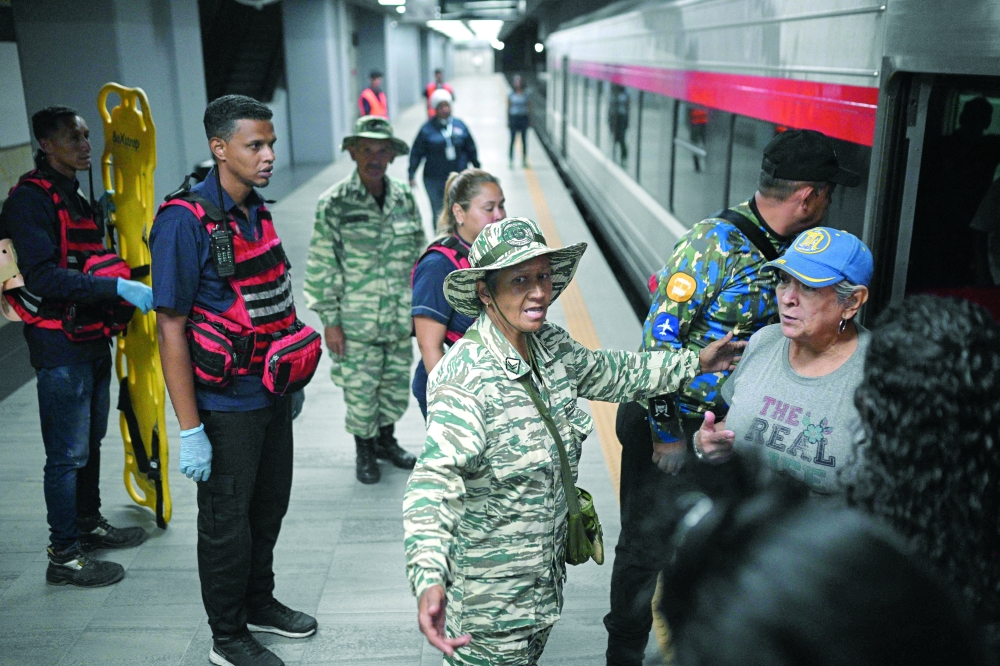
Years of hyperinflation, corruption, and economic mismanagement have devastated living conditions, causing severe shortages of food and medicine. Despite limited improvement between 2021 and 2024, the humanitarian crisis endures. According to the UNHCR and R4V Platform, nearly 7.9 million Venezuelans have left their homeland — the largest displacement in Latin American history.
Regional actors have taken varied positions. Colombia, under President Gustavo Petro, restored diplomatic ties with Caracas and offered to mediate between the government and opposition to ease tensions and manage migration. Brazil, under Luiz Inácio Lula da Silva, has grown more cautious, reflecting unease with Venezuela’s tightening authoritarianism.
The United States has long played a defining role in Venezuela’s trajectory. For decades, relations were bound by oil interests and investment, but with the rise of Chávez and later Maduro, Washington turned to pressure and isolation. Sanctions became central, targeting officials, institutions, and the state-owned oil company PDVSA. The stated goal was to limit regime revenue and encourage democratic reform, though critics argue these measures have deepened civilian suffering.
Oman Observer is now on the WhatsApp channel. Click here