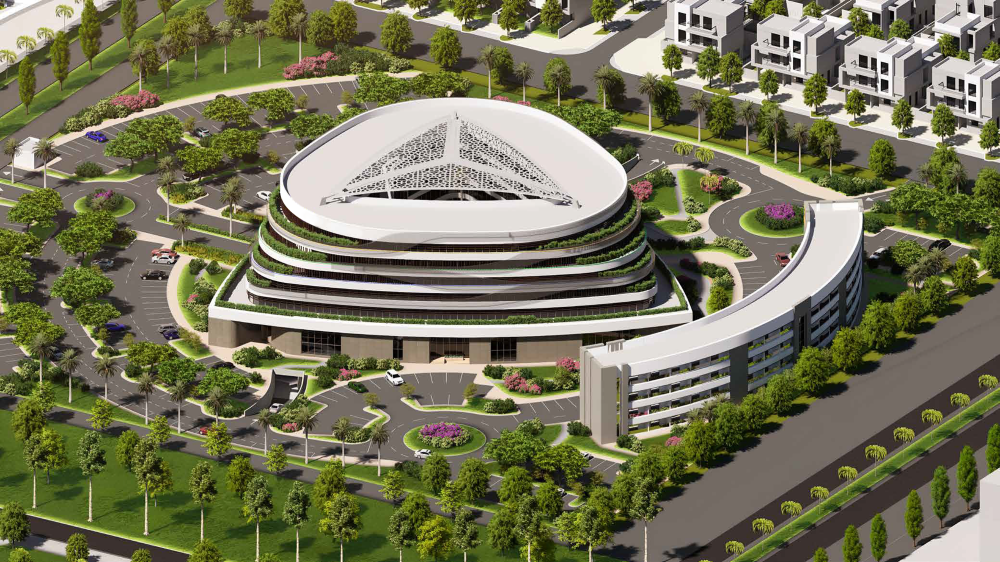
Sultan Haitham City signals a disciplined shift in how Oman invests for growth. Instead of scattering funds across isolated roads and housing plots, the project consolidates spending into a single, scalable urban platform designed to support households and firms alike. The master plan’s scale is deliberate: 14.8 million sq m, capacity for around 100,000 residents, roughly 20,000 homes and more than 2.9 million sq m of public space — a size that can capture efficiencies sprawl cannot.
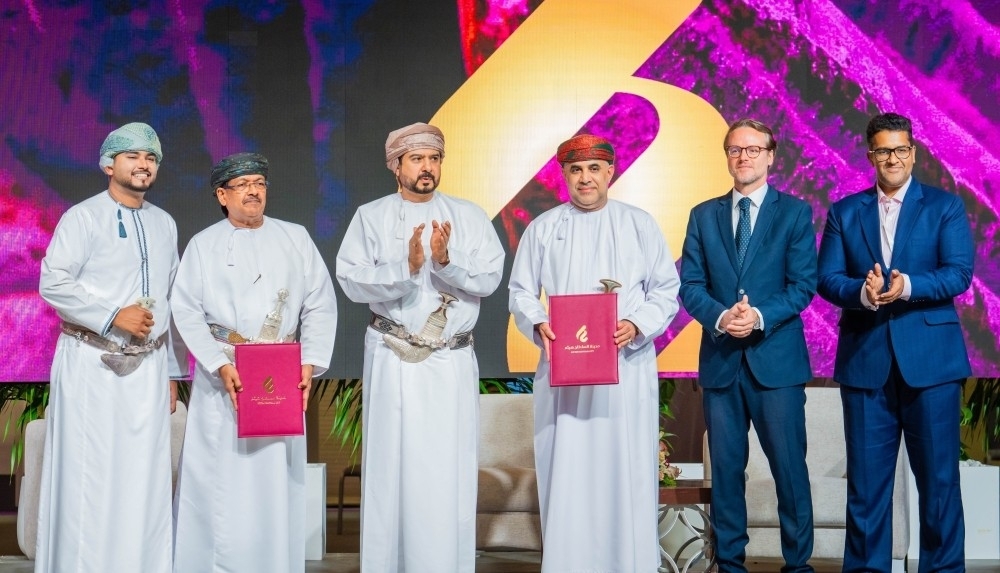
The State moved early to build the “frame” for private and public investment. In October 2024, RO 228 million of Phase-I infrastructure contracts were signed covering roads, tunnels, utilities and early services — a clear signal on sequencing and delivery. That foundation matters: it lowers perceived risk, firms up supplier pipelines and turns drawings into usable assets.
This year the transition from plan to place has accelerated. Seven execution packages worth over RO 206 million are under way across Phase I, from internal roads and green spaces to core networks and community facilities. For residents, that means earlier access, fewer “start-up” bottlenecks and a faster path to everyday convenience — the simple yardsticks by which any city is judged.
Urban showcases help people picture their lives there. Designs for the city’s central park are slated to be unveiled at the Home & Building Exhibition from October 6–9, 2025 — signalling that public realm and shade are not “afterthoughts” but part of the value proposition. Green corridors and comfortable streets are economic infrastructure too: they shorten trips, support local business and keep family budgets in check.
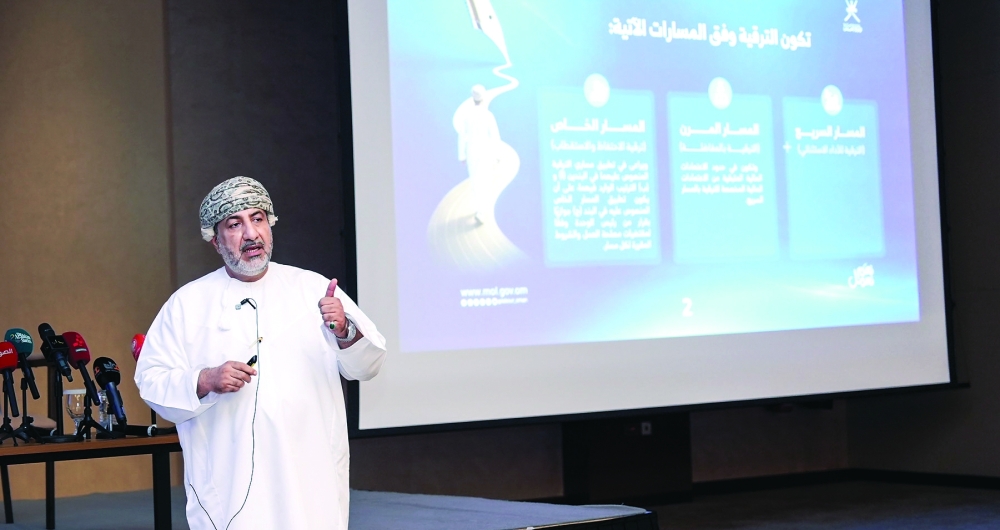
Housing policy is the demand-side engine. The Ministry’s “Your First Home” initiative opens apartments in the city to newlyweds and small families on the housing request list — crucially while retaining eligibility to apply for other public housing options after five years of occupancy. That flexibility helps young families get on the ladder sooner, accelerates early occupancy (which local services rely on) and eases pressure on land-grant and self-build models. Public messaging directs applicants through official government e-services for Sultan Haitham City, keeping the process orderly and transparent.
To maximise the economic return, we must treat operations as a service, not a handover. Tie contractor and neighbourhood-operator payments to clear urban KPIs: time to fix faults, transit readiness, cleanliness and park upkeep. Publish indicative cost baskets (mortgage, service charges, utilities) so households can plan and speculation is dampened. Launch a high-frequency bus link to Muscat early — before full densities form — to avoid a traffic choke that would erode productivity and asset values. And govern vacancy with graduated fees on units left idle beyond a reasonable window, paired with a trusted rental platform to attract long-term capital.
The indirect gains are material. Every Rial Omani and minute saved on commuting and car ownership is re-spent locally on education, health and leisure — service sectors that expand non-oil GDP and create youth-friendly jobs. Closer access to schools, clinics, parks and shops improves spatial equity and cuts the “hidden costs” borne by lower- and middle-income families. Just as importantly, consistent delivery — from the 2024 infrastructure deals to the 2025 execution packages — builds a reputation for reliability that lenders and investors price in.
Done right, Sultan Haitham City becomes a yielding urban asset — lowering household costs, lifting labour productivity and anchoring local value chains. The model is exportable to other governorates, but the test starts now: keep execution disciplined, bring transport early, manage vacancy and speculation, and run neighbourhoods against service standards. That is how a city turns capital expenditure into the compounding non-oil growth Oman needs.
Oman Observer is now on the WhatsApp channel. Click here