Oman is home to one of the youngest and most ambitious populations in its history. Our graduates are educated and eager to contribute. But too many of them are still waiting for their first real opportunity.
Every year, thousands of young Omanis earn their degrees, full of promise and ready to begin their careers. The question isn’t about talent or motivation, but about access to practical experience and opportunities to translate their education into skills and careers.
The government has already recognised this. Oman Vision 2040 makes youth empowerment a national priority, and our leadership has laid a strong foundation. Initiatives such as Maak, Makeen and Khuta have helped empower graduates to channel their capabilities into productivity. These are important steps, but we can’t expect the government to carry this alone.
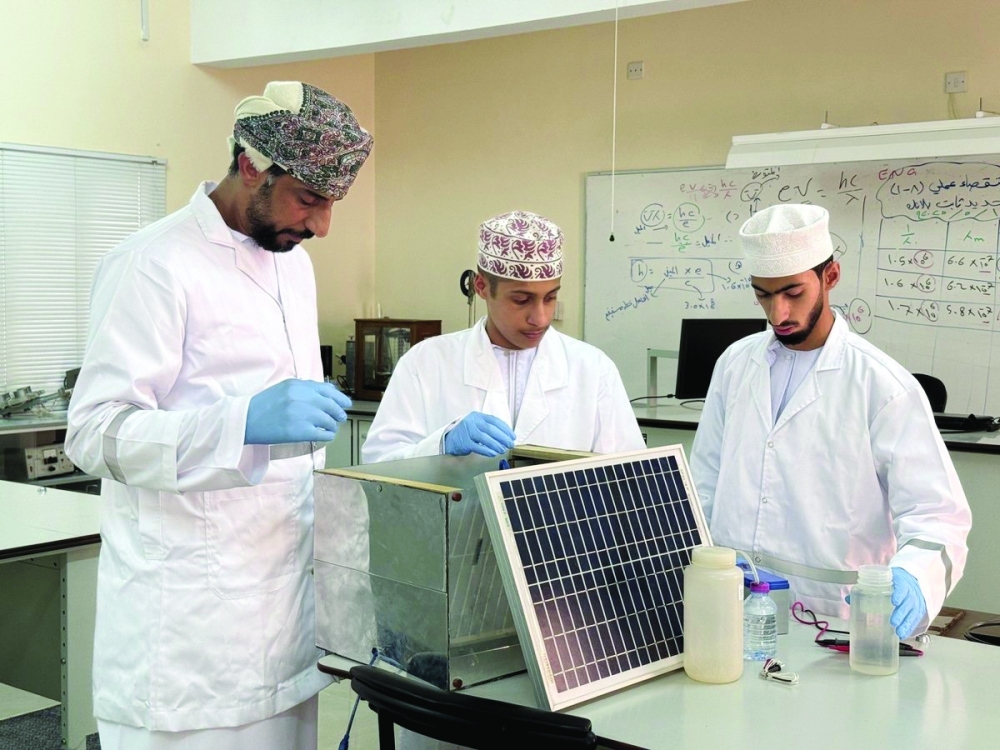
This is where the private sector comes in. At REFCO, we’ve run a summer internship programme for over a decade. We’ve seen firsthand what’s possible when businesses invest in young talent. We work closely with local universities to place students in dynamic teams, where they have the chance to contribute to our work. These experiences benefit not just the interns, but our business too. And we’re not the only ones.
Across Oman, more companies are offering bootcamps, graduate programmes, training and apprenticeships. These efforts matter because they give the next generation a head start – and a reason to believe in their future here at home.
But are we doing enough to help that talent thrive? And how do we expand what’s already working?
While the government sets direction, businesses must provide more spaces where theory becomes practice – where young Omanis can test, fail, learn and grow. There’s still room for greater collaboration. If we want real progress, we must also create stronger partnerships that bring education, industry and policy closer together.
Consider Oman’s Eidaad programme 1, which aims to narrow the gap between industry and academia. A study on the initiative found that students who were given meaningful exposure entered the job market with more confidence and stronger skills. It also underscored that these efforts are more effective when universities and businesses work in sync within the scope of government policy. In other words, the more coordinated we are, the faster we’ll get results that empower young Omanis and strengthen our economy.
From there, we need to design more graduate programmes that are directly linked to business needs. We must shape skills development early, create work environments that encourage learning, align training with emerging sectors, and – perhaps most importantly – hire with a long view, focused on local potential.
I believe that in doing so, we can solidify a local workforce that’s capable of contributing and innovating well into the future. This, in turn, will help bring us closer to our nation’s ambitions.
Oman has the vision. We have the talent. And we have early examples that show what success can look like. Now, we need to follow through.
Oman is blessed with a generation that is more capable and eager than ever before – women and men alike. But the truth is, no country can truly thrive unless its youth are empowered and trusted. The question isn’t whether Oman can create opportunities for young people. That much is clear. It’s whether we’re doing enough to turn those opportunities into lasting and meaningful careers.
Suleiman al Salmi
The author is Director at REFCO
Oman Observer is now on the WhatsApp channel. Click here