Amidst today’s geopolitical, economic and technological shifts, the world faces challenges that directly affect daily life and long-standing social and economic practices — the very enablers of collective well-being. Societies everywhere are seeking tools that are more adaptable and resilient. Every group needs these tools and persons with disabilities need them most.
Needs differ according to the types and specificities of disability and have grown with rapid change, especially in technology and the economy. Requirements are not solely medical; they include social dimensions that shape ways of life and patterns of living and they can limit society’s ability to benefit from the potential of a vital group that can contribute actively to development once the right environment is in place.
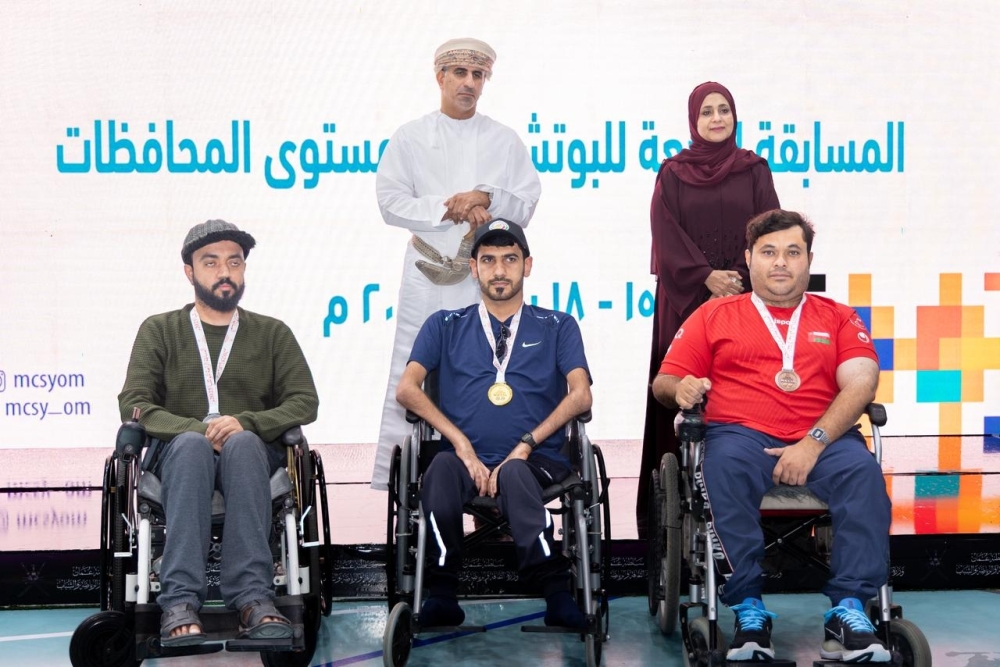
Ensuring the full participation of persons with disabilities is a right owed to them and a societal commitment to invest in people, nurture aspirations and enable contributions to national goals. Support, capacity-building, access to employment and work; and stronger social inclusion all reinforce belonging and open paths to equality, justice and shared prosperity.
According to the United Nations’ global report on the inclusion of persons with disabilities, effective inclusion strengthens resilience to economic, environmental and social shocks, while enhancing readiness for technological and climate transitions. Communities that include everyone are better equipped to harness the talents and creativity of all their members, channelling these energies into nation-building across development sectors.
Because persons with disabilities embody diverse life experiences and sources of creativity, they need care that is varied, flexible and comprehensive. This issue calls for an integrated system: legislation and policies, programmes and mechanisms that embrace their aspirations, safeguard their rights and develop their abilities, talents and creative capacities. Oman has given this group comprehensive attention — from the Basic Law and subsequent legislation to the social protection they enjoy.
The National Guide to Services and Facilities for Persons with Disabilities underlines both the value of this dynamic group and its capacity to give when enabled and adequately supported. Services and protections exist not only for care and assistance; they also establish the infrastructure that encourages inclusion, motivates effort, develops skills and strengthens the will to change for a better life and greater social well-being.
Creating the right environment for development and supporting self-advancement requires progress in assistive technologies and the use of modern programmes and applications, especially with advances in artificial intelligence. The goal is to deliver services and make life easier in ways that reflect the wide spectrum and severity of disabilities. Despite the many programmes the state provides — and the assistive devices issued according to need — there remains a requirement to map needs systematically, aligned with aspirations and the drive to enhance skills.
Oman has believed in all its people and worked to develop their capabilities, providing supportive conditions suited to each stage of national development. Because persons with disabilities are an integral part of society, they receive exceptional care. Recent Royal directives issued by His Majesty the Sultan — may God protect him — created a new sector at Undersecretary level within the Ministry of Social Development to oversee and enhance services for this group. This step reaffirms the protection of their rights and it also deepens the principles of equality and social justice enshrined in the Basic Law.
Establishing this sector will elevate care and empowerment. It is expected to generate forward-looking approaches that refine skills, provide a more dynamic and flexible environment; and ease integration — especially in education and the workplace. Children who are properly included become more able to navigate life’s changes and more willing to enter work settings.
Society thus looks for a clear vision that enables inclusion and spurs creativity and ability. Services and programmes should nurture talent, create motivating environments and encourage self-learning and skills development. A dedicated sector for this mission will unlock significant potential and provide fertile ground for the growth of persons with disabilities in Oman, with specialised, sustained focus on advancing a system that is already evolving and ambitious.
At its core, this directive flows from a Royal vision that cares for the nation’s people and invests in human capital as the foundation of comprehensive development. The aim is to build an inclusive society in which everyone enjoys support, empowerment and an enabling environment. Success will come through building on what has been achieved, guided by a clear outlook and an informed mindset that prioritise capacity-building, empowerment and integration over custodial approaches.
Translated by Badr al Dhafari. The original version of this article was published in Arabic in the print edition of the Oman newspaper on September 21, 2025
Oman Observer is now on the WhatsApp channel. Click here