




MUSCAT, SEPT 23
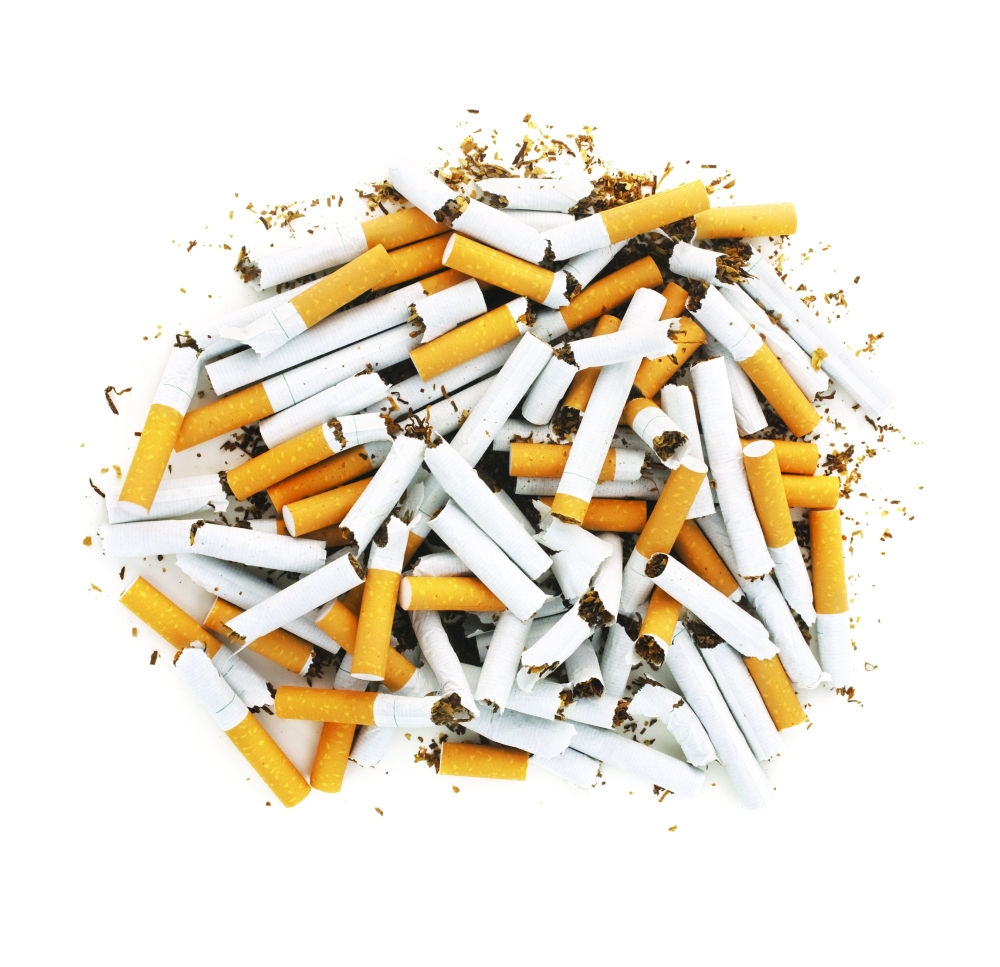
Cigarette butts are the most littered item in the world, including in Oman, and are a major source of toxic plastic pollution, with harmful chemicals such as cadmium, lead, arsenic and microplastics, which spill into soil and water.
Made of cellulose acetate, they degrade into harmful microplastics that infiltrate soil and water. They threaten not only the fragile ecosystems but also the health of those who consume seafood contaminated through the food chain.
According to environmental reports, an estimated 4.5 trillion cigarette butts are discarded worldwide every year, with a significant portion ending up in oceans and coastal areas. This makes them the second-largest contributor to marine litter after plastics.
The careless dumping of these stubs is not just eyesore on our beautiful beaches and green spaces. They are a threat to public health and safety. For young children who play on the sand, cigarette butts can pose serious health risks if touched or ingested.
Another alarming consequence is the risk of fires. A smouldering cigarette butt discarded on dry sand or near dry vegetation can ignite flames that may quickly spread. Such incidents, while rare, highlight the hidden dangers that arise from what may appear to be a simple act of negligence.
Muscat Municipality continues to emphasise its commitment to protecting the environment, ensuring clean and sustainable beaches, and safeguarding the well-being of visitors. Through awareness campaigns, public reminders and dedicated clean-up initiatives, the municipality seeks to educate beachgoers about the dangers of discarding cigarette butts.
To complement these efforts, waste bins and cigarette disposal points have been installed at popular beaches. The municipality has also signalled the possibility of enforcing stricter penalties on offenders, underscoring that collective responsibility is key to sustaining Oman’s natural coastal heritage.
While municipal authorities play a crucial role, environmental experts stress that safeguarding the beaches cannot be achieved through regulations alone. Every individual has a responsibility to ensure that their behaviour contributes to a cleaner and healthier environment. Simple actions — such as carrying portable ashtrays, disposing of cigarette butts in designated bins, and raising awareness among friends and family — can make a significant difference.
Community organisations and environmental groups in Oman have also taken the lead in organising beach clean-ups and workshops. These initiatives not only help remove litter but also inspire a culture of responsibility and respect for nature among younger generations.
Internationally, governments and environmental agencies are exploring innovative solutions to address this growing challenge. Some countries have introduced biodegradable filters, while others have launched recycling programmes that convert cigarette waste into useful materials. By acting locally — through awareness, enforcement and community participation — Oman contributes to a worldwide effort to reduce marine pollution and preserve coastal environments.
Protecting the coastline is more than an environmental necessity; it is a cultural and economic priority. Pristine beaches enhance Oman’s tourism appeal, support local communities and reflect the nation’s reputation as a country that values its natural heritage.
The message is clear: every cigarette butt discarded carelessly is a direct threat to the sand, the sea, and the safety of beachgoers. Achieving clean and safe shores requires collaboration — between authorities, residents, and visitors alike.
As Muscat Municipality reminds the public, a simple choice not to litter can go a long way in preserving the charm of Oman’s beaches for generations to come.
Oman Observer is now on the WhatsApp channel. Click here