




In the coastal town of Quriyat, Oman, women sit cross-legged in small, bustling rooms, their hands moving expertly as they weave intricate patterns into cotton fabric. The craft they preserve is more than just a tradition; it’s a vital piece of Oman’s cultural identity. The humble yet striking kumma, a handmade cap worn by men, embodies this heritage, linking generations through threads of history, artistry, and pride. For decades, the kumma has adorned the heads of Omani men during both formal occasions and everyday life, and the industry surrounding its creation remains alive and well, despite the relentless march of modernisation.
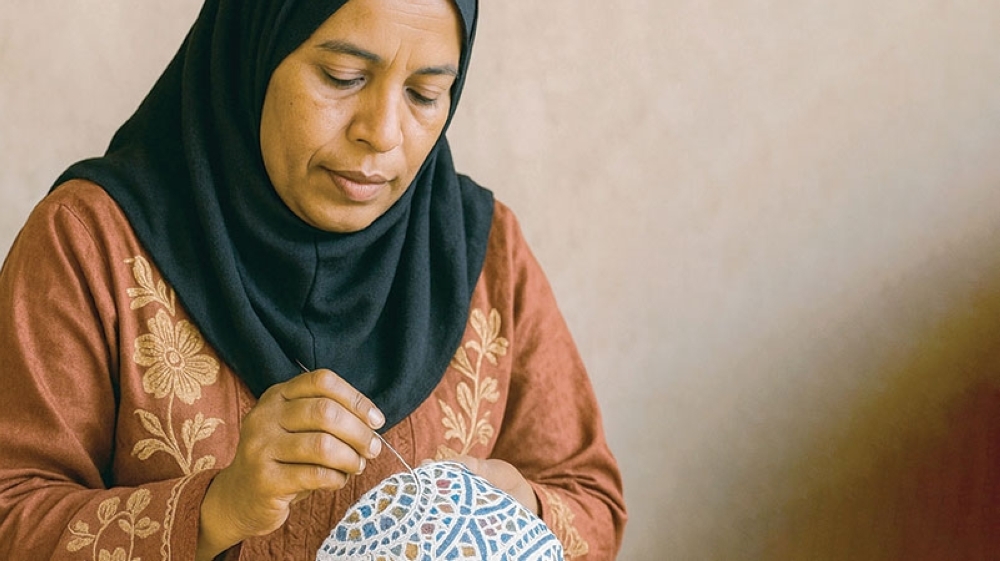
Asma bint Nasser al Wahaibi, a master weaver from Quriyat, is quick to emphasise the importance of the kumma in Oman’s cultural fabric. “It’s not just a hat,” she says, her fingers gently tracing a finished piece. “It’s an essential part of our dress, a symbol of our identity that connects us to our ancestors.” Her skilled hands have learned the craft from her mother, a tradition passed down through generations of women who have dedicated hours to weaving vibrant, ornate caps that tell stories of Oman’s rich history.
The craftsmanship involved in making a kumma is meticulous. artisans draw delicate patterns on small pieces of cloth, punching tiny holes to guide the embroidery. They work with threads of varying thickness—some coarse, others fine—employing specialised needles and tools, including silver-tipped fingers to protect from pricks and help tighten threads. Weaving a single kumma takes anywhere from one month for full-time artisans to six months for those supplementing their income. It’s a labour-intensive process that demands patience, skill, and a deep love for tradition.
Despite the high price tag—locally made kummas can cost up to 50 Omani riyals—many Omanis cherish their handwoven caps as symbols of cultural pride. They’re often worn beyond official duties, paired with the mussar or often just donned during social gatherings, celebrations, and special occasions. Their bright colours, intricate patterns, and distinctive styles serve as an outward expression of personal and communal identity.
However, as modern markets flood with machine-produced and ready-to-wear alternatives, younger generations often hesitate to invest in authentic handmade kummas. “Many young Omanis see the high cost and long hours of craftsmanship and prefer cheaper options,” explains Wahaibi. “But they don’t realise that the handmade products are of a different quality—they are more durable and truly represent our heritage.” Her words underscore a growing challenge: how to preserve a centuries-old craft in an age of instant access and mass production.
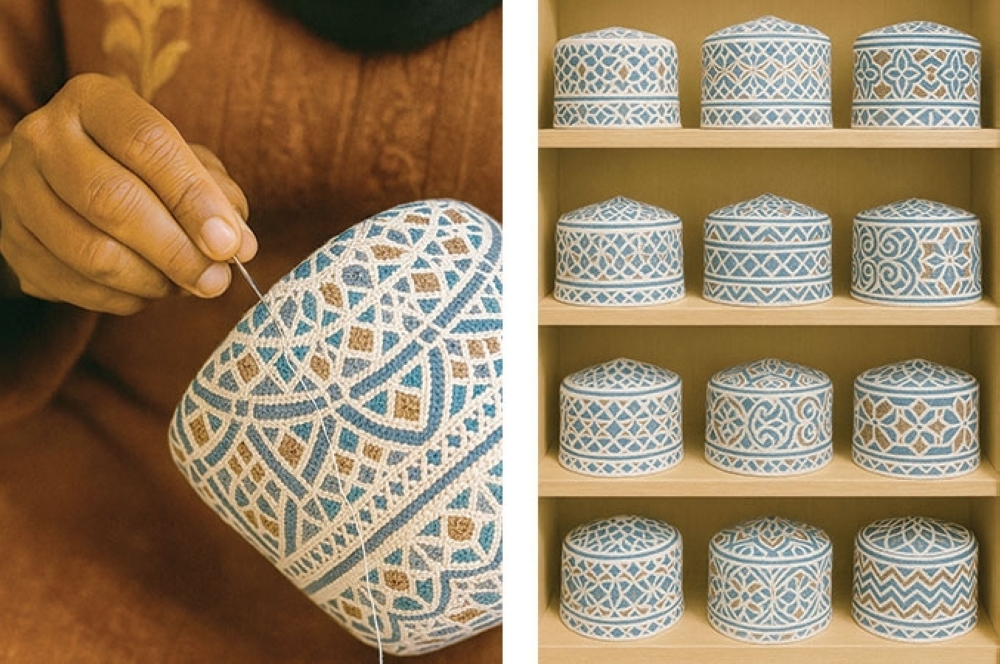
Different styles of kummas vary in craft and price. The most sought-after is the star-stitched kumma, renowned for its intricate patterns, durability, and resistance to wear. Other popular varieties include half-star, chain-embroidered, and stitched caps, each with its own appeal and price point. Despite technological advances, handmade kummas continue to be prized for their precision and artistry—qualities that machines and foreign imports struggle to replicate.
For women like Wahaibi, the craft isn’t just a livelihood; it’s a cultural calling. “I learned from my mother,” she says proudly. “And I want to keep this craft alive because it’s part of who we are.” While modern embroidery machines have made mass production faster and cheaper, the value of a handwoven kumma remains unmatched. The personal touch, the careful selection of colours, and the painstaking embroidery all contribute to a product that is as much a work of art as it is a symbol of tradition.
The origins of the kumma stretch far back before the 1950s, rooted deeply in Oman’s history. Today, it continues to be a marker of Oman’s national identity, worn with pride by men across generations. It is often paired with the mussar, serving as both a functional and fashionable accessory. Omanis tend to choose their kumma’s colours and patterns based on mood, age, or occasion—though many older men still prefer white, a colour that signifies purity and simplicity.
The government has recognised the cultural and economic significance of the kumma, instituting strict regulations to safeguard its authenticity and quality. Under Ministerial Resolution No. 21/2022, manufacturers must adhere to standard specifications, with penalties of up to 1,000 Omani riyals for violations, a measure aimed at protecting this unique heritage. The industry remains active across various governorates, especially in Quriyat, where many women continue to practice the craft, passing it down to younger generations.
For visitors, purchasing a kumma isn’t merely souvenirs—these caps are symbols of Oman’s deep-rooted traditions and rich history. Tourists often prize them as authentic mementoes, proud to bring home a tangible piece of Oman’s cultural soul. It’s a craft that has withstood the pressures of modernity while continuing to embody the elegance, history, and resilience of Oman itself.
Despite the challenges posed by industry and market competition, the handmade kumma continues to thrive in niches that value quality over quantity. Its bright colours, intricate embroidery, and storied history ensure that it remains an iconic part of Oman’s national wardrobe. As Oman continues to develop economically and culturally, the art of kumma weaving stands as a proud reminder that some traditions, though centuries old, are simply too precious to let fade away. They are woven into the very fabric of the country’s identity, an enduring symbol that Oman’s rich history is always present—threaded into the lives and hearts of its people.
Oman Observer is now on the WhatsApp channel. Click here