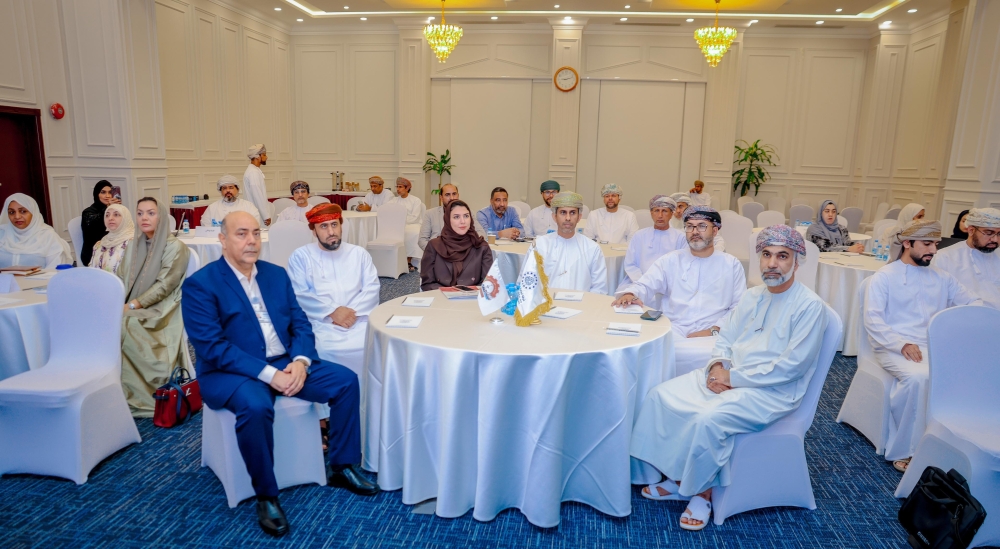
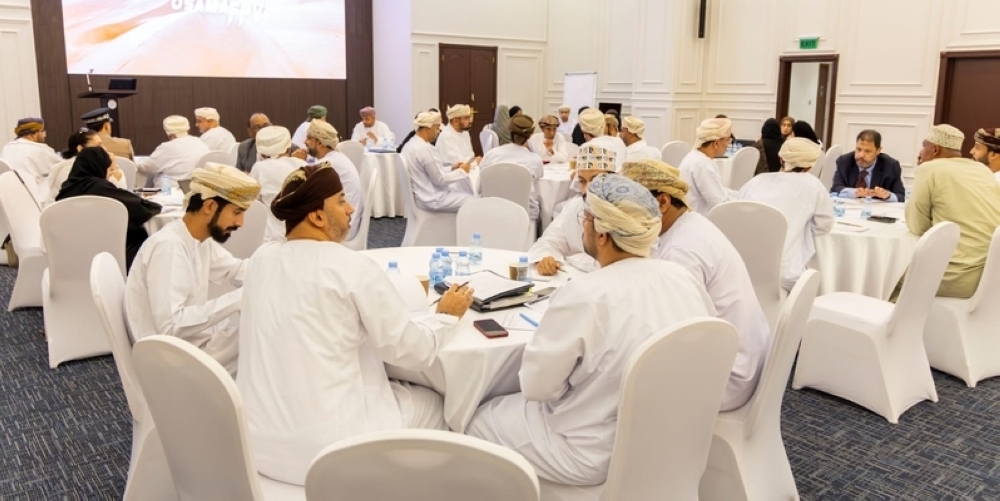
The private sector is not a spectator in national development; it is the lead actor. Foreign direct investment delivers its full value when it meets capable local firms and turns into everyday orders, new skills and better jobs. That is the difference between a ribbon-cutting and a resilient economy.
When investors find suppliers who are ready — on quality, delivery and safety — capital stays, reinvests and spreads good practice across the market. In Oman, the private sector’s performance has historically been linked to government spending, but future growth requires stronger private-sector leadership supported by modern laws (such as PPP frameworks, FDI laws and dispute-
resolution mechanisms) and a dynamic investment climate. Our task as a business community is practical: empower firms to deliver, make the rules and pathways clear and FDI will raise productivity, grow exports and create attractive careers for young people. The values are traditional — reliability, fair dealing, pride in workmanship — while the tools are modern: standards, data and structured finance.
The global backdrop makes this focus urgent. UNCTAD estimates the headline figure for global FDI in 2024 at about $1.51 trillion, but the real picture is softer: if you strip out volatile conduit flows through a few European hubs, FDI actually fell by roughly 11% — a second year of decline. One component, international project finance for big infrastructure, dropped a further 26% in 2024 and
between 2021 and 2024 its value fell by more than 40%. While cross‑border M&A recovered 14% to $443 billion, companies also announced about $1.3 trillion in greenfield projects — the second‑highest level on record — and the number of announcements in industry edged up to more than 19,000. The signal is mixed but useful: capital is cautious, yet still active where value chains make sense and sites are ready. Regions like Africa and Southeast Asia saw gains, while Europe,
China and South America faced declines. In short, competition for investment is real and readiness wins. For Oman, readiness means lowering market entry barriers, improving competitiveness, ensuring contract enforcement and providing accurate, accessible investment data — factors repeatedly highlighted in investor confidence surveys. SMEs are the backbone of that readiness. The World Bank notes that small and medium enterprises account for around 90% of businesses and over half of global employment. When these firms connect
to anchor investors — meeting standards, securing certifications and learning better routines — the whole economy lifts. Local suppliers shorten delivery times, reduce currency risk for buyers and keep more value circulating at home. For entrepreneurs, the prize is not a slogan; it is a first purchase
order, a repeat contract and eventually an export client. That is why supplier development is not a side project. It is the main road from FDI headlines to steady revenue. Oman’s In-Country Value (ICV) strategy is a good example: it mandates local content in contracts, supports SMEs, drives diversification and builds Omani workforce skills — making FDI more impactful for the domestic
economy.
Global examples show how empowerment works. Morocco’s automotive build-out paired a clear industrial plan with hands-on supplier support, lifting exports to record levels and drawing further capacity commitments. Costa Rica has shown the power of aftercare: reinvestments expand when investors can deepen local sourcing and resolve bottlenecks quickly. Different settings, same lesson: when government and industry focus on supplier readiness, predictable rules and speed, investment grows and stays. This is not theory; it is a repeatable operating model. For Oman, supplier readiness will also depend on lowering the cost of capital for SMEs, improving access to finance and addressing
gaps such as limited bank participation in projects — issues that currently constrain entrepreneurship.
So what should we do now? Start with transparent opportunity maps. For each anchor sector — energy, metals, logistics, food processing and tourism — publish ranked lists of the most purchased components and services, with plain-language specifications, expected volumes and contact points. Clarity lowers search costs for buyers and lets SMEs choose realistic targets. Then fund what matters: co-finance certifications, testing and calibration, safety and quality systems; and simple digital tools to track orders and defects. Match this with purchase-order and working-capital finance so qualified firms can accept larger jobs without cash-flow strain. Beyond these immediate measures, Oman should also channel investment into high-potential sectors such as renewable
energy, creative industries, logistics and digital services — sectors with the highest international market potential. This requires forward-looking policies, stable public finances and credible development strategies that build investor trust.
Next, make the interface routine. Hold regular meet-the-buyer events, keep a live supplier registry, and standardise the path from expression of interest to a pilot order. Assign aftercare teams to own these touchpoints and measure them by conversion — pilots issued, pilots becoming contracts, on-time delivery and defect rates. Put mentors on the field by asking anchors to second experienced
engineers and procurement specialists to coach supplier cohorts with named mentors and clear hours. Use zones as cluster accelerators: co-locate supplier parks and shared labs; and facilitate fast customs and logistics. Close proximity shortens learning cycles, reduces defects and builds trust.
Economic and industrial zones in Oman already provide this foundation and scaling them with better infrastructure and shared services can accelerate diversification while reducing dependency on oil-driven public spending.
Govern for speed and measure what matters. Establish a cross-agency task force—investment and zone authorities, labour, SME bodies and anchor firms — with a single dashboard and the mandate to clear bottlenecks weekly. Publish a simple monthly scoreboard: local procurement as a share of spend, certified suppliers, order volumes, on-time delivery, defect rates and export milestones. Tie selected incentives to outcomes — certification achieved, pilot delivered, defect rate reduced, export order secured — so funds reward diffusion, not ceremony. Then run a ninety-day pilot: three anchors, twenty high-potential suppliers, opportunity maps, a handful of co-funded certifications and pilot
orders with clear quality gates. Report results and replicate quickly; momentum is a competitive advantage. At the same time, Oman must improve governance by cutting bureaucracy, strengthening e-government and revising private-sector structures to make them more competitive. Coupled with investment in skills, research and entrepreneurship, this will create a long-term attractive business climate.
If we act with discipline, the gains will arrive quickly: deeper local sourcing, stronger SME revenues, more young people in good private-sector jobs, and steady growth in non-oil exports. Most importantly, investors will see a reliable machine that turns capital into capability and capability into commerce — the hallmark of a confident private-sector economy. This approach looks forward while honouring familiar values: build, certify, deliver, improve and repeat. Our grandparents traded on trust and performance; today we add data and standards to scale that ethic for a global market. The private sector is ready to lead and the public sector is ready to enable. On that basis, we invite investors to partner for the long term — and we commit, together, to deliver. This is not only about FDI — it is about building a sustainable economy where innovation, entrepreneurship and private-sector dynamism drive long-term prosperity. This is the moment to act with confidence.
Oman Observer is now on the WhatsApp channel. Click here