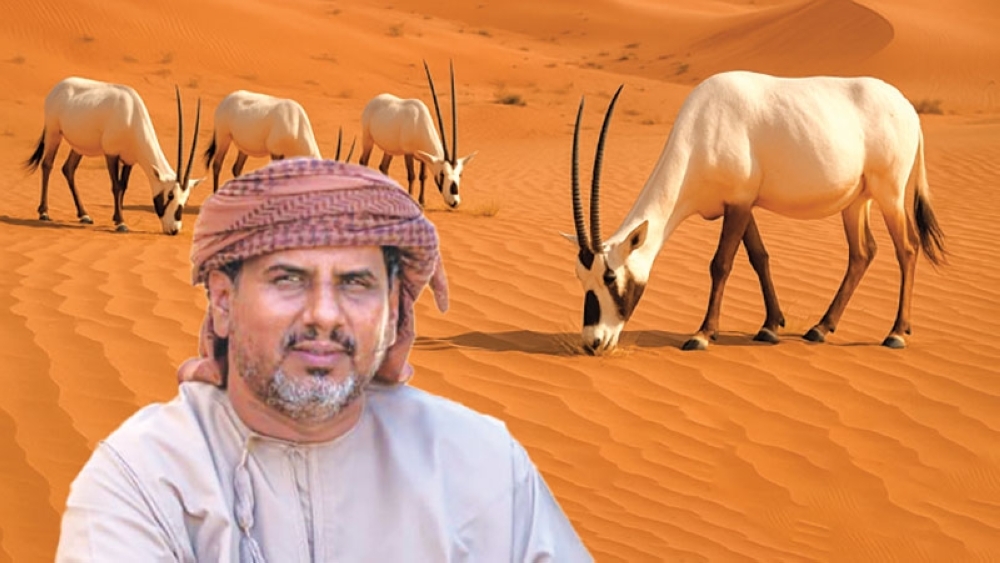





In the rugged wilderness of Oman’s Jiddat Al Harasis, a quiet battle unfolds every day — to safeguard one of the desert’s most iconic and endangered inhabitants: the Arabian oryx. Behind this ongoing effort stand the dedicated wardens, whose unwavering commitment weaves a story of resilience, tradition, and hope amidst the harshest of landscapes.
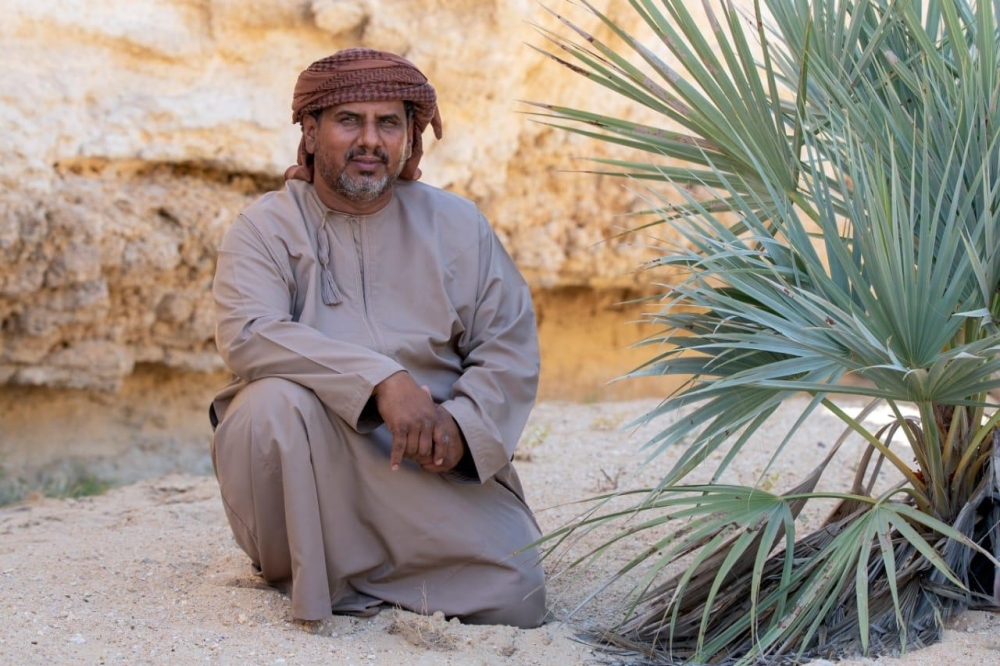
Said Nasser Saleh al Harsousi has spent 28 years patrolling these desert plains, a legacy that runs deep through his family. Even before formally donning the uniform of the Environment Authority, his instincts have driven him to protect the oryx, alongside myriad other creatures that call the arid wilderness home. "It’s in our blood to guard the wildlife here," he says, his voice resolute.
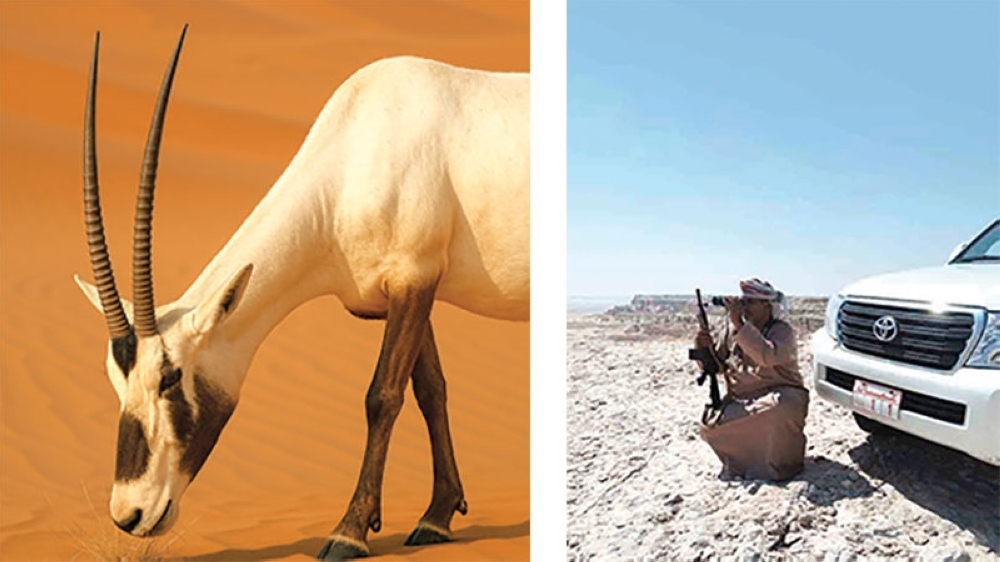
Recently, al Harsousi found himself in Muscat participating in an IUCN workshop, reflecting on a landscape vast and unforgiving — the heart of the Arabian Oryx Sanctuary, once a UNESCO World Heritage site until its status shifted in 2007. Yet, despite political and bureaucratic setbacks, conservationists and wardens relentless in their pursuit continue to fight for its survival.
Their daily patrols are a testament to their dedication. Using GPS collars, camera traps, and keen eyes, they monitor the movements and health of the oryx, vigilantly guarding against poaching — once the primary threat to the species. These guardians often work in tandem with law enforcement, their efforts complemented by habitat restoration projects aimed at preserving the fragile desert ecosystem.
Beyond tracking and surveillance, the wardens also play a vital role in data collection, providing crucial information on population dynamics, environmental changes, and reproductive rates. Their work extends into community engagement, where education campaigns strive to raise awareness about the importance of wildlife conservation and the cultural significance of the oryx.
Said al Harsousi’s familiarity with the terrain is extraordinary. "Within 80 km, I recognise every tyre track," he explains. His car, always stocked with essentials, is a familiar sight to the surrounding communities. His phone rings often — stranded travellers, lost hikers, or those in need of rescue. With a spirit of neighbourly duty, he guides them out of danger.
His role as guardian extends beyond the oryx. Jiddat Al Harasis teems with life: wild rabbits, Arabian gazelles, tahr, foxes, wolves, and a diverse array of bird species and snakes. Once, he camped under the star-studded desert sky, but wolves and snakes prompted him to switch from open-air bivouacs to tents. The desert, he admits, is not for the faint-hearted.
For al Harsousi, stars are more than celestial bodies — they are navigational beacons and cultural symbols. He speaks of the ‘Al Izaff’ star that signals the camels to feed their calves, and the glow of the full moon guiding his night patrols. When clouds obscure the sky, he relies on shifting sand and wind patterns to find his way, always cautious of hallucinations if he rests his eyes too long under the open sky.
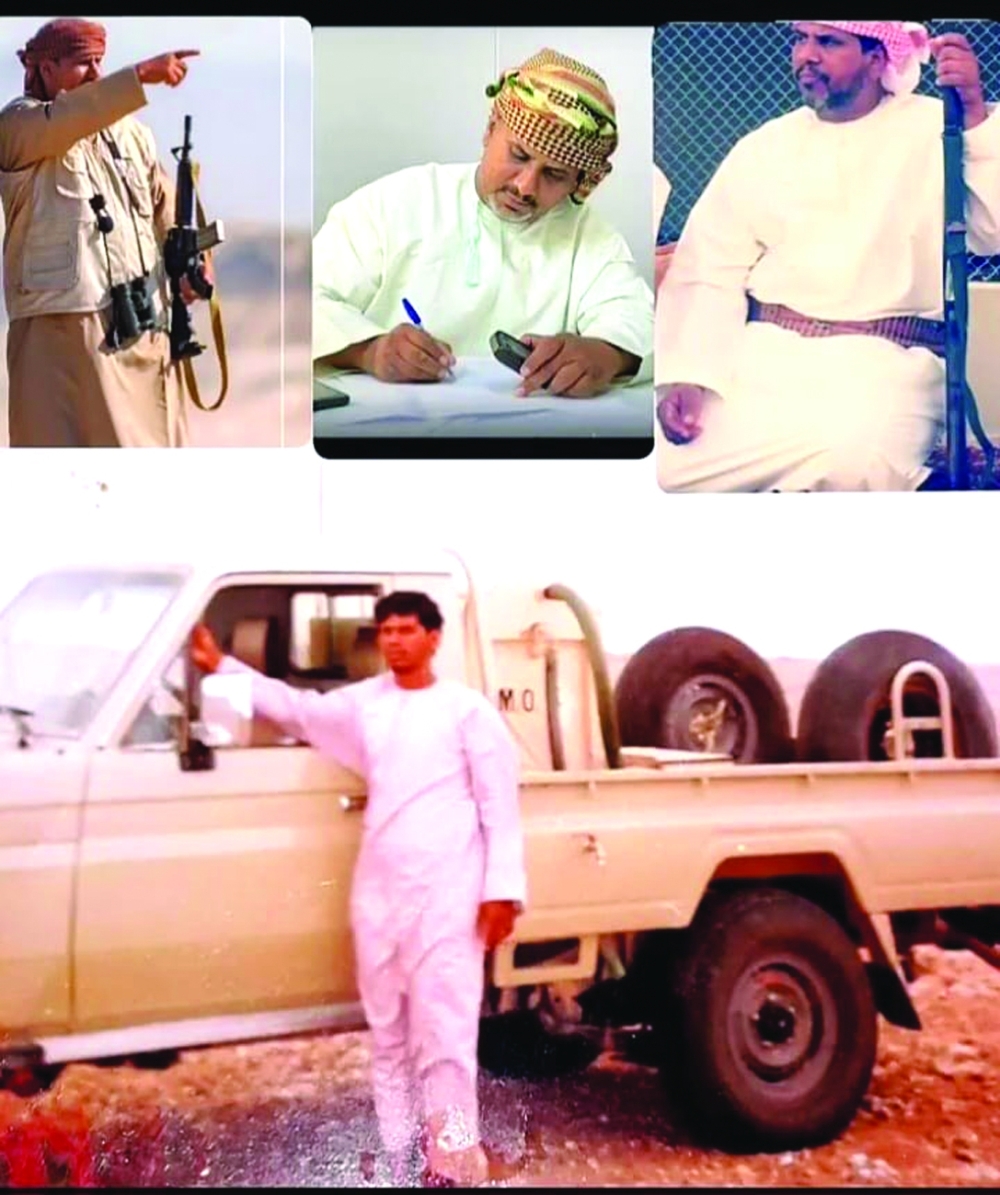
His children, educated in Muscat and Salalah, learn about desert life through him during holidays — lessons that blend traditional medicinal knowledge with survival skills. Among these is the use of camel urine for indigestion and the nourishing role of fenugreek seeds in milk for health.
Standing alongside al Harsousi is Nasser Hamed al Harsousi, known affectionately among conservation circles as ‘Brave Heart’. Together, they once located missing persons lost amidst the wilderness — a testament to their intimate knowledge of this unforgiving terrain and their unwavering dedication.
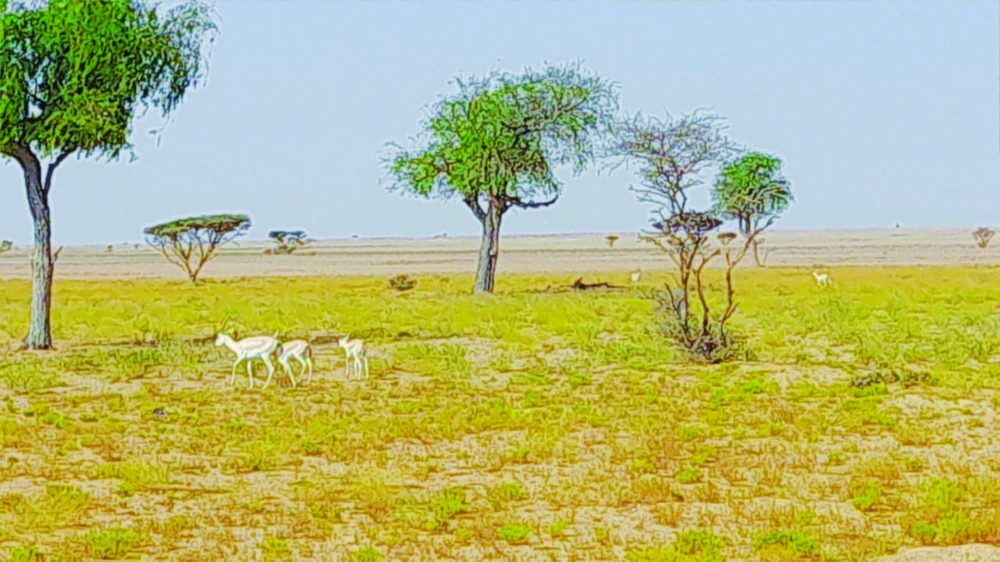
Yet, challenges remain. Communication blackouts, the threat of poachers, and habitat degradation cast long shadows over their work. Despite these obstacles, their resolve persists.
What of the Arabian oryx’s future? Once thought extinct in the wild by the early 1970s due to relentless hunting, Oman pioneered one of the world’s first reintroduction programmes in the 1980s. Progress was promising, but illegal poaching and habitat loss inflicted setbacks. Today, the International Union for Conservation of Nature (IUCN) reclassified the species from “Extinct in the Wild” to “Vulnerable” — a rare beacon of hope.
In the sandy expanse of Jiddat Al Harasis, these wardens are more than protectors; they are stewards of a cultural and ecological symbol. Their tireless work not only preserves the Arabian oryx but also ignites a reminder of humanity’s role as custodians of the earth’s fragile wonders.
----------------------------
Discover more inspiring stories like Said al Harsousi’s by downloading The Correspondent: 50 People You Have in Oman. This captivating collection highlights some of the most fascinating and inspiring individuals across Oman, revealing their remarkable journeys and contributions. Dive into the extraordinary lives shaping the Sultanate — get your copy today!
Oman Observer is now on the WhatsApp channel. Click here