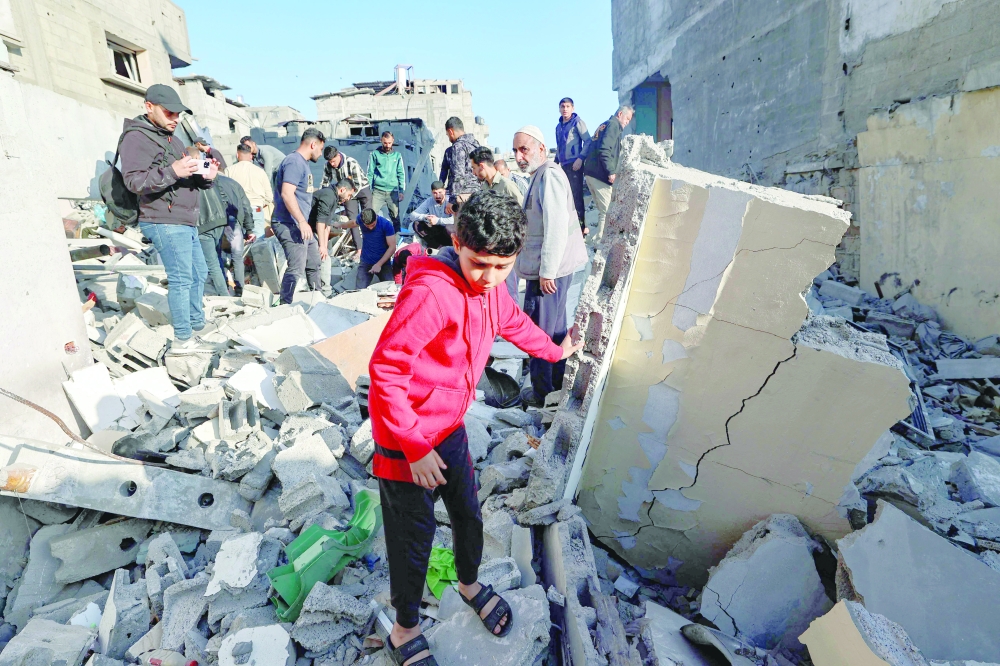





When Palestinian professor and poet Refaat Alareer was killed in an air strike in Gaza, his poem ‘If I must die’ echoed through the conscience of the world.
“If I must die/Let it bring hope/let it be a tale,” Alareer wrote, foreshadowing his own death, but also the absolute need to hope.
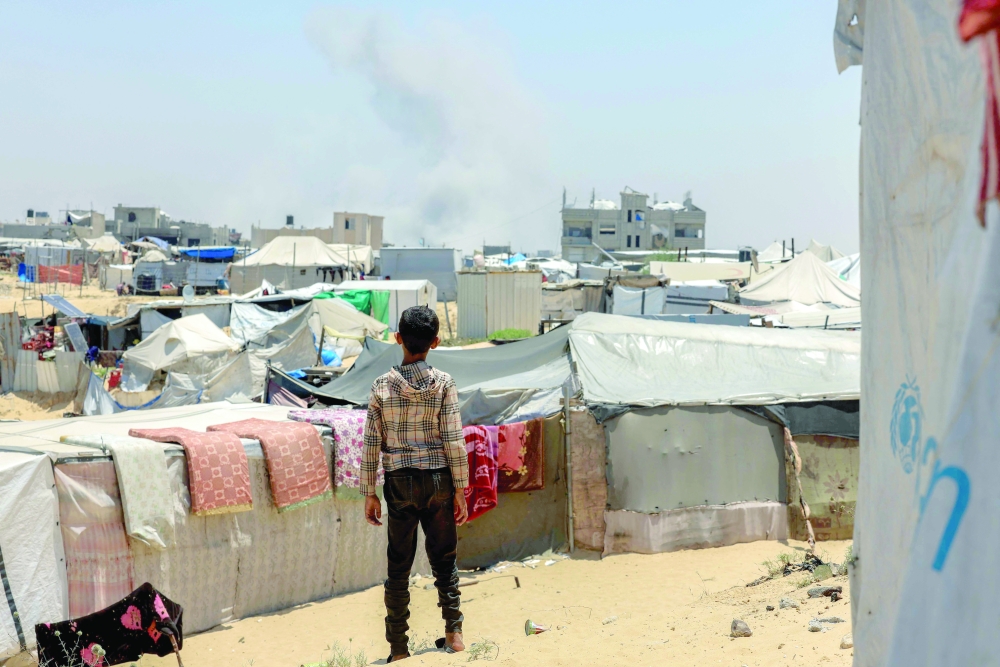
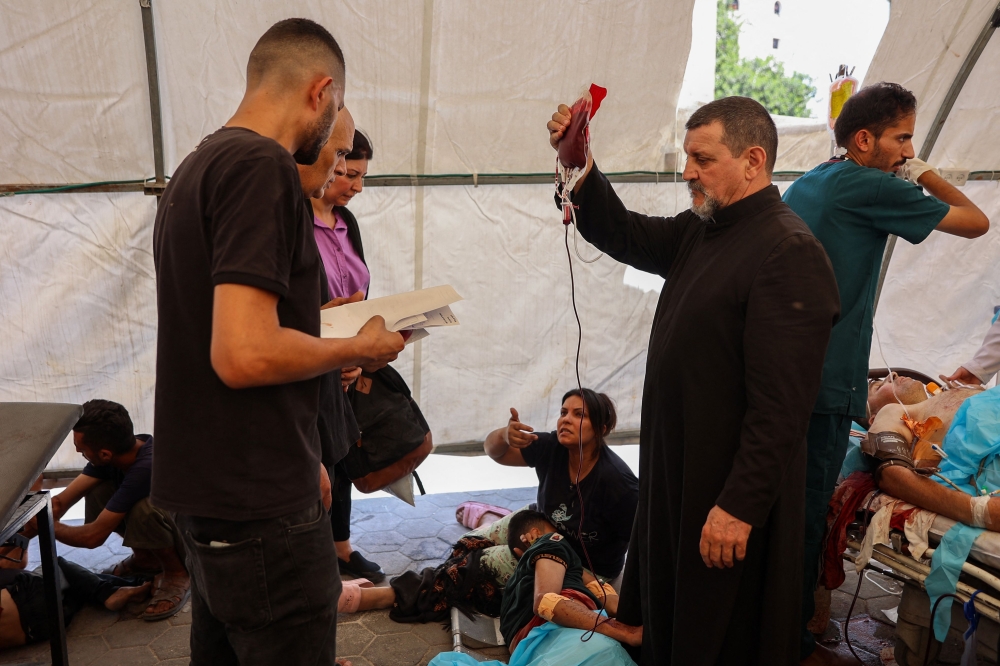
As Gazans undergo immeasurable suffering, one of the only sources of sustenance and hope is to share their trauma through writing, often in verse. As a result, Palestinian poetry, already historically rich, has now gained depth and urgency.
Unfortunately, there are other examples of poetry rising from the ashes of suffering.
In Afghanistan, girls share their experiences through whatever writing they are able to do.
Poetry is becoming a powerful tool to document and archive the lived experiences of those suffering in multiple ways. Young or old, everyone is using the power of words, spoken or written, to bear witness to the dehumanisation and tragedy of their lives.
In Afghanistan, reading or listening to poetry creates a space where women find a chance to reflect and process their trauma.
Using the limited technology to which they have access, Afghan girls document their lives through poetry. Nargis Payenda, an Afghan poet, speaks of the consequences of not writing “When the sorrows of my heart run out into my poems”.
Refugees worldwide have also turned to writing to bring attention to the everyday suffering of their lives which are lived on the margins of belonging and marginalisation. Somali-British poet Warsan Shire, speaking of why people leave their homeland, says: “no one leaves home unless home is the mouth of a shark,” bringing attention to the trauma of leaving the place one calls home.
And yet, there is a thread of rebellion and resilience which cuts across this protest poetry.
Famous Palestinian poet Fadia Tuqan said she would be content to die “then sprout forth as a flower”. “I will carry the blood of martyrs around my neck,” said 16-year-old Amany El Regeb, who died in a bombing on her home.
Afghan-American writer Fowzia Karimi speaks of “Hope, That Small Flame in a Dark Room in Afghanistan” to explore the importance of always keeping hope alive, even in dire circumstances.
A refugee, fleeing a war-torn homeland, can only count on hope for a better tomorrow: “Hope – the dreams for my family, come true,” he wishes.
In a world full of trauma, pain and uncertainty, it certainly feels like writing would be the last thing on anybody’s mind. And yet, history proves us wrong. We know of our past because others have thought it worth their while to write about their trauma, as well as their victories.
Literature is not a diversion – it is a testament to events in the world. It holds a mirror to our life today. And for many, it is the only way to communicate about their circumstances, the major tragedies in their lives, and also the small joys in it. Poetry is our conscience-keeper.
Oman Observer is now on the WhatsApp channel. Click here