




Salalah: Dhofar has wrapped up its 2025 Khareef and, with it, a season that drove tourism and trade across the governorate.
As the monsoon fades, Dhofar moves into the Sarb—a spring-like stretch from 21 September to 21 December—a reminder that this is a land where the year turns in distinct, living seasons.
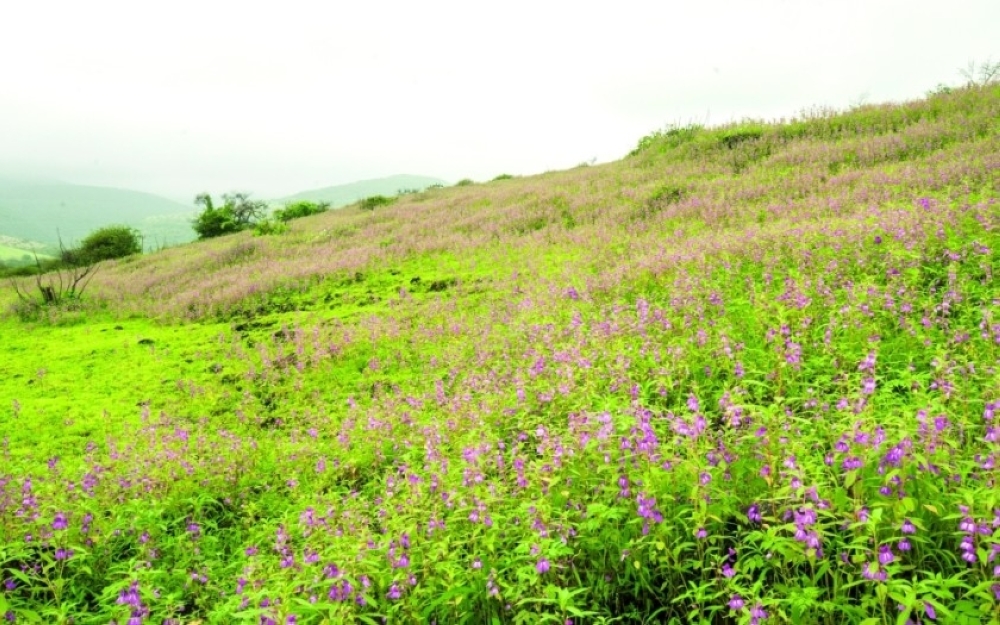
Astronomically a spring period, the Sarb is most felt along the coast from Dalkut in the west to Mirbat in the east. Temperatures ease, the sun is gentle, humidity drops, and the sea settles. Once the heavy Khareef fog lifts, the landscape shows a different face: mountains, plains and valleys stay green, dotted with flowers and stirred by cool breezes.
For visitors, the Sarb is a quiet pleasure—mild weather, open views and unhurried days under the trees or out on the plains, far from the noise of daily life.
It is also one of Dhofar’s key economic windows. Farmers move into harvest after the monsoon rains, bringing seasonal crops like maize, beans and cucumbers to market. Honey production rises, and traditional dairy—ghee and the local qatmim butter—picks up as well.
The season is generous offshore too. Fisheries flourish, especially high-value pelagic and demersal species such as lobster, kingfish and sardines, alongside local favourites like safi and sha’ari. That supports food security and keeps commerce moving.
For herders, natural pasture is abundant. In late September, camel owners observe khatil al-ibil, moving their herds to lush rangelands that were closed during the Khareef—often to the rhythm of songs and heritage arts that reflect Dhofar’s deep social traditions.
From a rain-washed monsoon to a mild, green spring, Dhofar proves again that it is a land for all seasons—an all-year destination for nature and culture that strengthens Oman’s place on the global tourism map.
Oman Observer is now on the WhatsApp channel. Click here