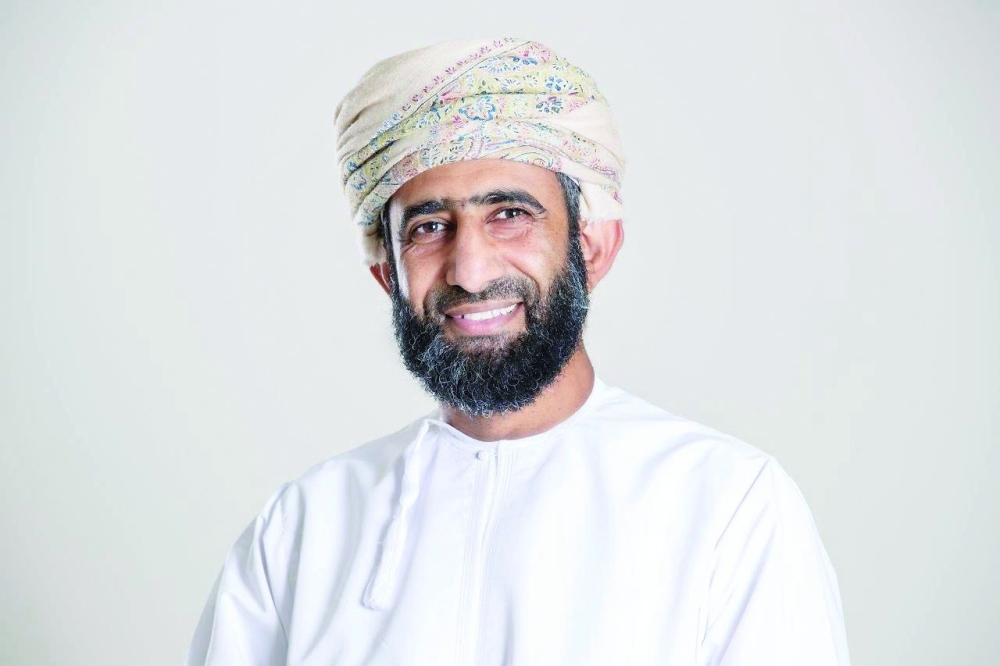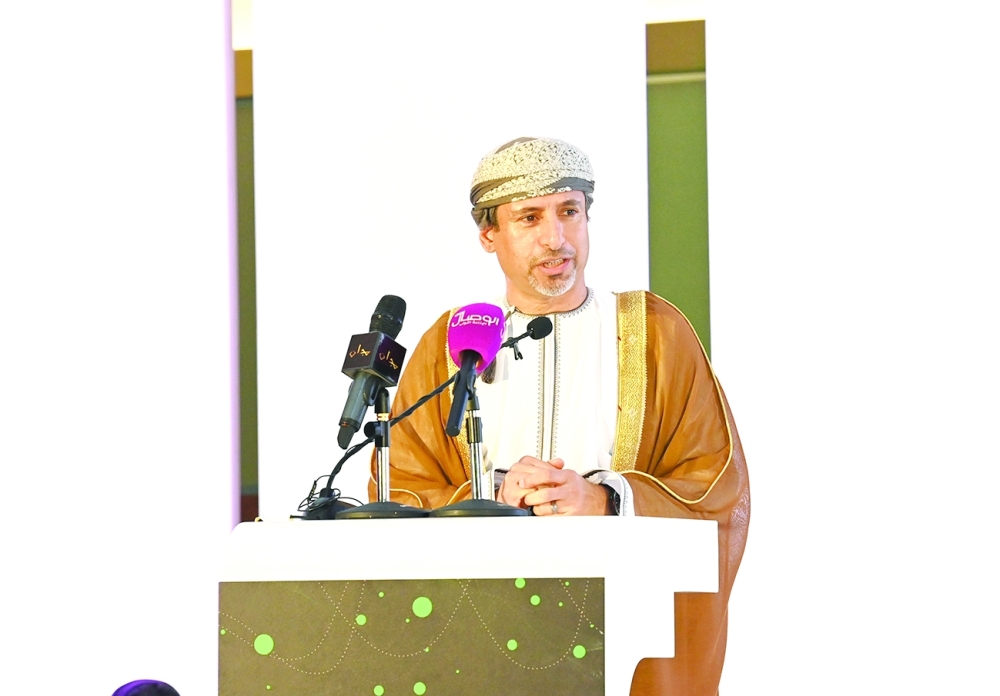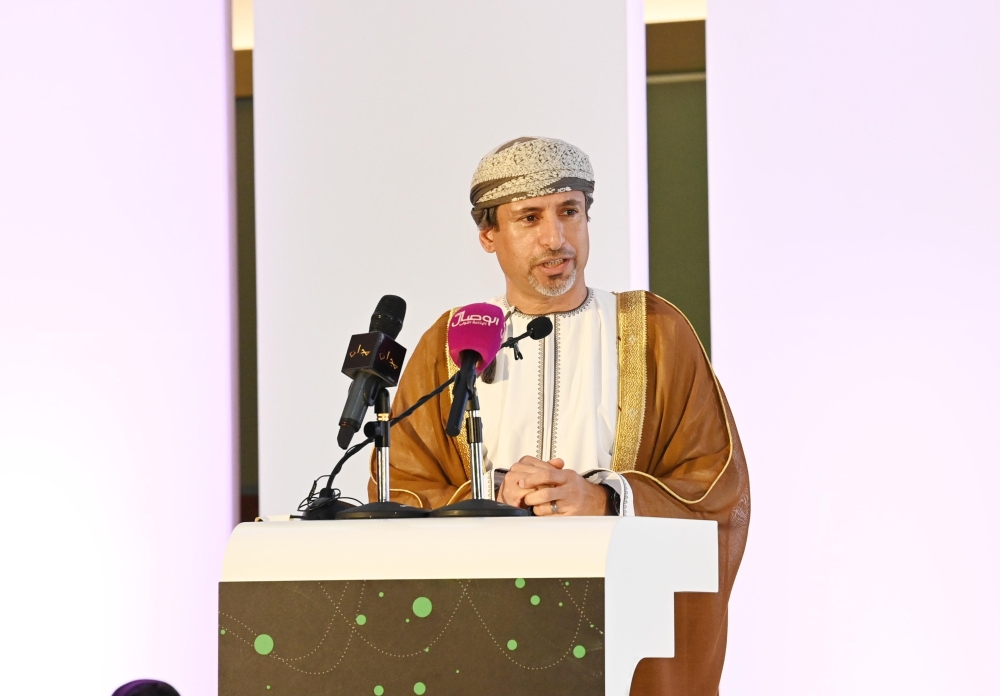





Oman’s Minister of Energy and Minerals, Eng Salim bin Nasser Al Aufi, has underlined that green hydrogen will be the “cornerstone of the Sultanate’s future energy landscape,” as the country balances the long-term use of oil and gas with the rapid development of renewables.
Speaking in an exclusive interview with Tawasul magazine, Al Aufi said achieving net-zero emissions by 2050 will demand heavy and sustained investment in research and development (R&D), while closer collaboration with academia and industry will be critical in shaping the transition.
“We don’t view renewables as direct replacements for oil and gas, but as strategic complements within a broader, multi-source energy ecosystem,” Al Aufi said. “Our vision is not to abandon oil and gas, but to diversify energy sources.”
The minister emphasised that while fossil fuels remain central to the global economy, Oman is pursuing a dual track: deploying advanced technologies to ensure efficiency and sustainability in hydrocarbons, while accelerating green hydrogen and renewable energy projects.
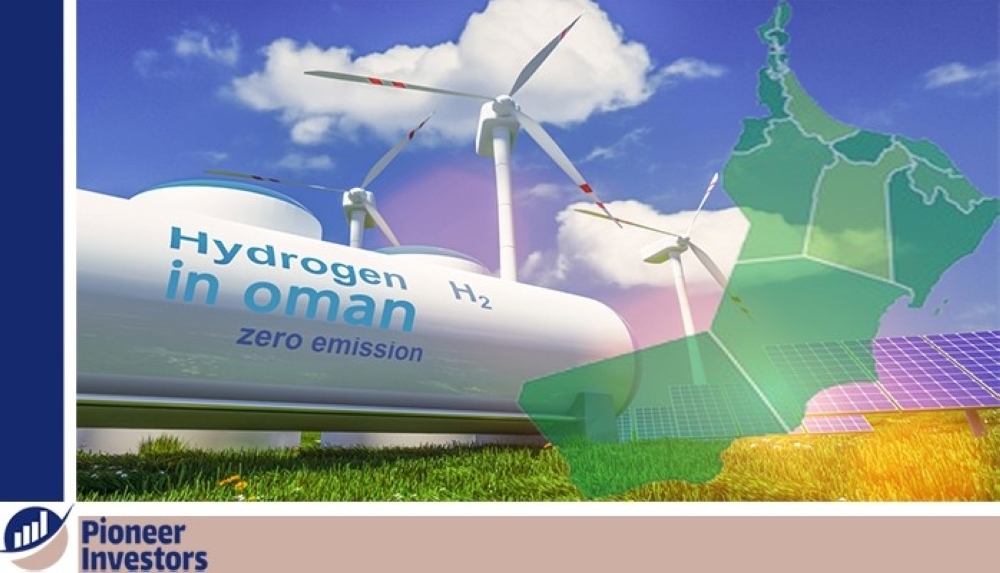
Oman has taken concrete steps to advance green hydrogen, establishing Hydrom as the national coordinating body and earmarking strategic land blocks for production and export. Multiple agreements have been signed with global companies and investors, and policy frameworks are being aligned with international market standards.
“Our focus now is on building the transport and export infrastructure, ensuring we have qualified national talent, and adjusting regulations to meet global demands,” Al Aufi said. “Naturally, projects of this scale face challenges, but we see them as opportunities.”
Al Aufi stressed the role of Sultan Qaboos University (SQU) as a strategic partner in advancing the sector. A joint committee between the ministry and SQU has been formed to explore research integration, support graduation projects, and establish specialised laboratories for energy transition and rare earth mineral studies.
“Reaching net-zero will require sustained R&D investment, particularly in hydrogen, clean gas technologies, carbon capture and storage, and industrial waste recycling,” he said.
This year, the ministry identified promising copper and chromium reserves in North Al Sharqiyah under new concession agreements, while Petroleum Development Oman continues to assess the commercial viability of fresh oil and gas finds in Block 6. In renewables, high-potential wind sites have been evaluated for development with local and international partners.
Al Aufi urged stronger cooperation between academics and industry professionals, highlighting the complementary role of theory and practice. “Knowledge that isn’t applied stays trapped on paper; exploration that lacks scientific grounding risks wasting resources,” he said. “The greatest discoveries always start with an idea, followed by study – and end in achievement.”
Oman Observer is now on the WhatsApp channel. Click here