




Muscat - The Ministry of Economy expressed its great pride in the high praise of His Majesty Sultan Haitham bin Tariq Al Said for the positive results achieved by the Tenth Five-Year Development Plan (2021-2025). These positive results enhance confidence in comprehensive and balanced development paths and confirm the Sultanate of Oman's consolidation of its move towards diversification and sustainability in light of the continuous development witnessed by the national economy and the improvement in financial and economic indicators in accordance with the ambitions of Oman Vision 2040.
Dr. Nasser bin Rashid Al Maawali, Undersecretary of the Ministry of Economy, emphasized that the royal directives and concerted efforts of all parties involved in implementing the plan have enhanced the success of achieving several strategic objectives, most notably achieving the targeted growth rate of the gross domestic product in the tenth plan, consolidating the economic growth focus on non-oil sectors, the radical shift in the financial situation towards sustainability, and the rise of the Sultanate of Oman's credit rating and position in international competitiveness indicators.
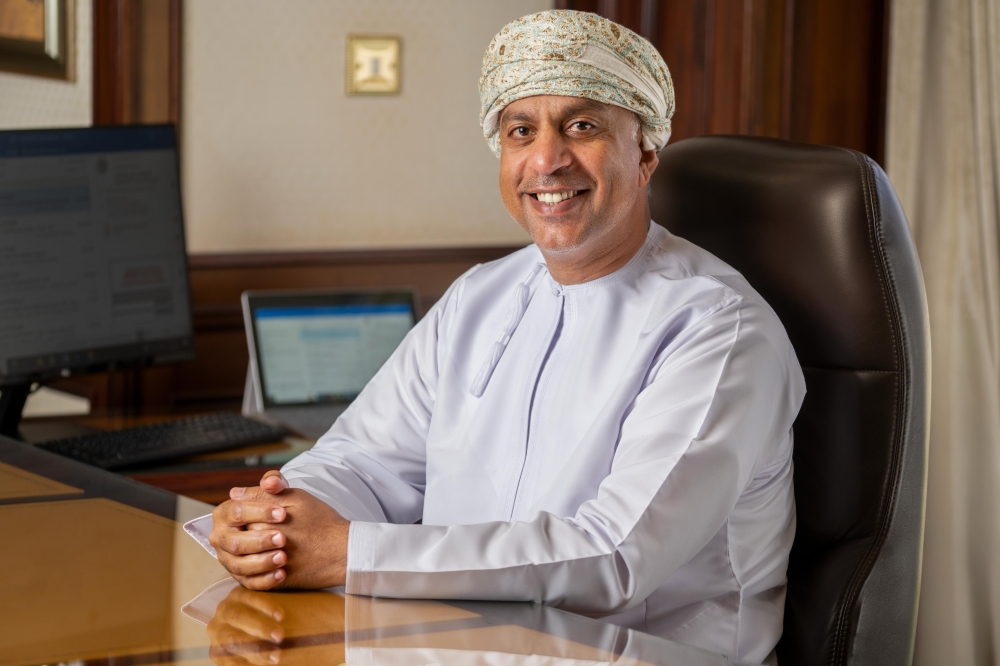
He said that the continuous progress in the economic diversification strategy and the commitment to accelerating the implementation of the economic and development programs and priorities in the Oman Vision 2040 and its development plans, starting with the Tenth Five-Year Development Plan (2021-2025), represents a pillar for continuing to achieve sustainability targets in all its dimensions during the Eleventh Five-Year Development Plan (2026-2030), to support diversification.
He said that the implementation period of the Tenth Plan witnessed an acceleration in the completion and operation of several major projects and the launch of a package of development projects currently underway, which contribute to diversifying production and export structures, expanding the size of the economy, increasing job opportunities, and attracting investment in various governorates.
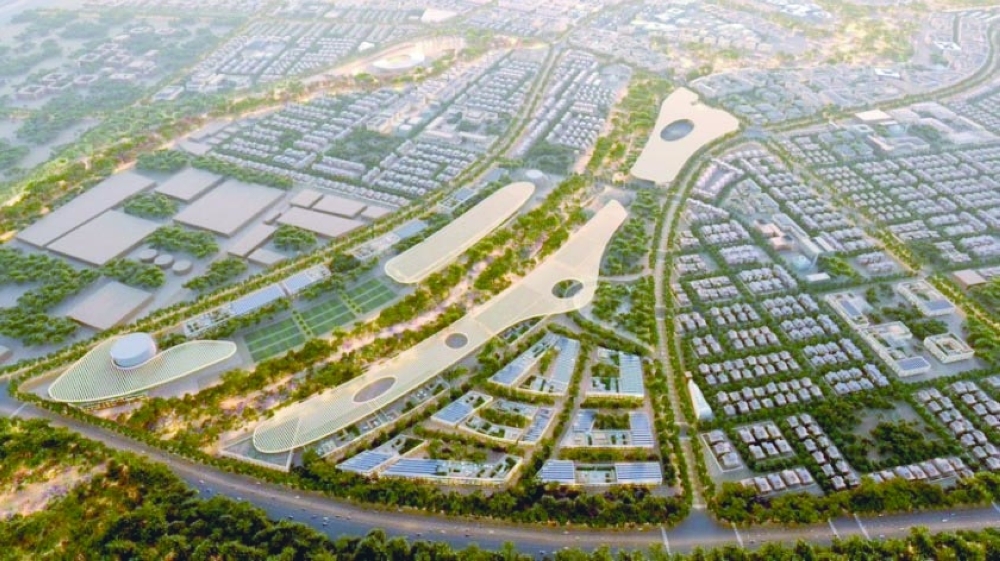
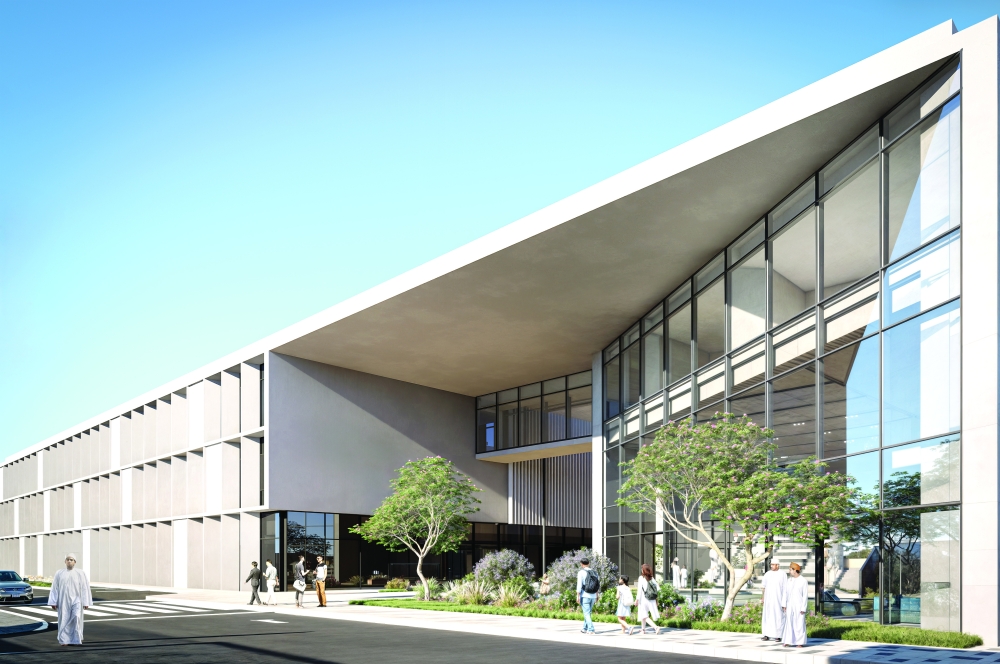
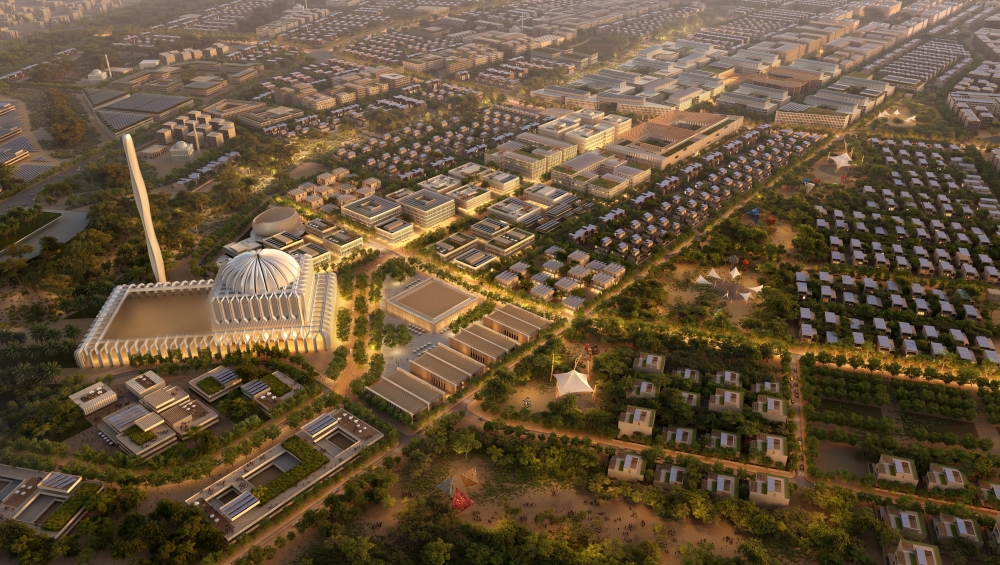
These projects include Sultan Haitham City, which is the first of the future cities system in the Sultanate of Oman, and the expansion of the system of economic, free, and private zones, among the most important of which are the integrated economic zone in Al Dhahirah Governorate and the Al Rawdah Special Economic Zone in Al Buraimi Governorate.
During the Tenth Five-Year Plan, development spending was enhanced on various service and social aspects, the health system was expanded, new strategic road projects were implemented, road maintenance was carried out, and the school and higher education system was strengthened in various wilayats and governorates.
The actual average growth of the Sultanate of Oman's GDP during the period from 2021 to 2024, measured at constant prices, reached 3.4 percent, approaching the annual growth target set in the tenth five-year plan of 3.5 percent. The actual average growth of non-oil activities recorded 4.1 percent, exceeding the target set in the tenth five-year plan of 3.5 percent, while the growth rate of oil activities reached 2.3 percent compared to the plan's target of 3.5 percent, due to the decline in crude oil production, in accordance with the coordination between the OPEC Plus countries.
Financial and economic indicators continue to improve during the current year, and economic growth expectations and the performance of diversification sectors remain positive in the medium term. This reflects the sustainability of economic growth, increased investment attractiveness, and a stable financial situation. Public debt fell to OMR 14.1 billion, representing 34.1 percent of GDP, by the end of the first half of 2025.
He said that Oman has confirmed its investment-worthiness rating this year, with Moody's raising its rating from "Ba1" to "Baa3." This is due to the continuous progress achieved in strengthening the country's financial position, enhancing the efficiency of financial management and public spending, the continued growth of the gross domestic product, and the expansion of strategic projects. This has enabled the economy to adapt to changes, especially the decline in oil production and the many crises witnessed in the global economic environment.
The cumulative total foreign direct investment continued to rise by 20.6 percent by the end of the first quarter of this year, compared to the same period last year, recording 30.6 billion Omani riyals. Non-oil exports recorded a growth of 9.1 percent during the period from January to June of this year compared to the same period last year, reaching 3.3 billion Omani riyals. Private sector deposits in the banking sector increased by 6 percent, recording approximately 22 billion Omani riyals by the end of June 2025. Total loans and financing increased by 8.4 percent to reach 34 billion Omani riyals by the end of last June.
“The current year witnessed an increase in the number of large, medium, small, and micro private enterprises by 9.4 percent by the end of the first quarter of 2025, compared to the same period last year. The number of private enterprises in the Sultanate of Oman exceeded 268,000, with their contribution to the gross domestic product increasing by 5.4 percent, reaching 8.4 billion Omani riyals during the first quarter of this year. The percentage of increase in the Omani workforce in the government, private, family, and civil sectors reached 2.3 percent, reaching 863,932 citizens by the end of July 2025.”
Regarding developments in key macroeconomic indicators, His Excellency indicated that the inflation rate continued at moderate levels during the current year. According to the Consumer Price Index (CPI), inflation in the Sultanate of Oman reached 0.81 percent during the period from January to July 2025. Gross domestic product (GDP) growth data for the Sultanate of Oman during the first quarter of 2025 indicates that, despite a 0.4 percent decline in oil activity, the GDP growth rate reached 2.5 percent, supported by the positive performance of non-oil activities, whose growth accelerated to 4.4 percent.
The Sultanate of Oman's GDP growth rate is expected to rise to 2.2 percent by the end of this year, compared to 1.6 percent in 2024. The economy is expected to continue growing in the medium term, driven by the expected increase in crude oil production after the OPEC+ group of countries begins easing production restrictions.
This is coupled with the continued positive performance of non-oil sectors, supported by progress in the economic diversification strategy, improved investment attractiveness and the business environment, and the implementation of national programs and policies aimed at accelerating the achievement of economic diversification targets. This is in addition to the positive results of government initiatives to stimulate investment and empower the private sector and small and medium enterprises, which represent support for enhancing the performance of economic diversification sectors and expanding their role as an engine for driving economic growth, attracting investments, and generating job opportunities.
His Excellency emphasized that with the focus on financial and economic sustainability priorities during the tenth plan, the first implementation phase of Oman Vision 2040, the Sultanate of Oman has achieved a tangible balance between fiscal consolidation and control measures, economic stimulus, and the implementation of social targets in accordance with the vision's priorities. This has contributed to expanding the social protection umbrella and adopting measures and procedures that improve living standards, reduce public debt and its burden, and improve credit ratings.
Oman Observer is now on the WhatsApp channel. Click here