




Portugal will officially recognise a Palestinian state on Sunday, Lisbon's foreign ministry said on Friday, ahead of a UN General Assembly where around 10 other countries are set to follow suit.
Britain, Canada, and France are among the other Western nations planning to give a Palestinian state recognition at the assembly, which comes as Israel's campaign against Hamas in the Gaza Strip grinds on.
Lisbon had already announced in July that it intended to do so, given the "extremely worrying evolution of the conflict", as well as the humanitarian crisis and Israel's repeated threats to annex Palestinian land.
"The Ministry of Foreign Affairs confirms that Portugal will recognise the State of Palestine... the official declaration of recognition will be made on Sunday, September 21," a statement on the ministry's website said.
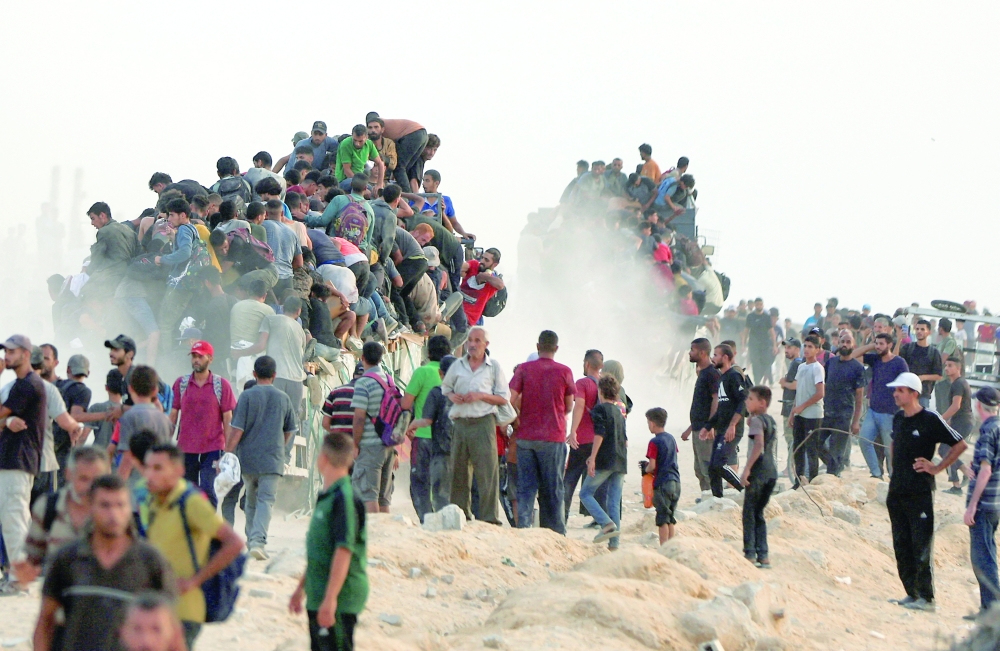
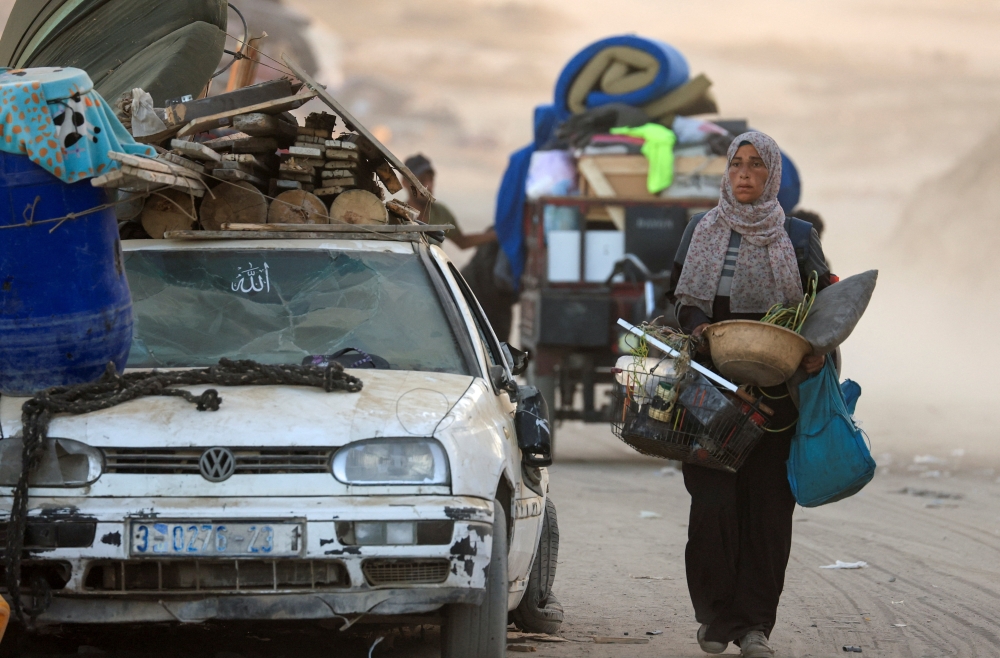
Israel has fiercely criticised plans for Palestinian recognition, yet the spiralling humanitarian crisis in the coastal strip, where the United Nations has warned of famine in Gaza City, has convinced even some of Israel's longtime allies to recognise a Palestinian state.
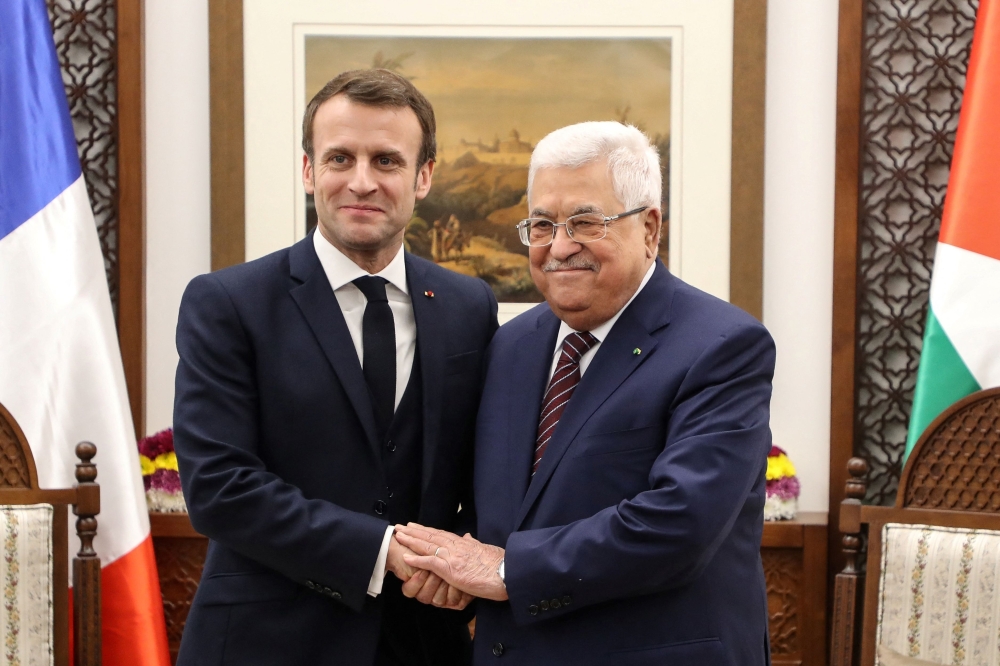
Earlier Friday, an adviser to French President Emmanuel Macron said Andorra, Australia, Belgium, Luxembourg, Malta, and San Marino also plan to recognise the State of Palestine.
Beginning on Monday, next week's UN General Assembly in New York is set to be devoted to the question of the so-called two-state solution to the long-running Israeli-Palestinian conflict.
Around three-quarters of the 193 members of the United Nations already recognise the State of Palestine.
The United Nations General Assembly voted on Friday to allow Palestinian President Mahmoud Abbas to address the annual gathering of world leaders next week via video after the United States said it would not give him a visa to travel to New York.
The resolution received 145 votes in favor and five votes against, while six countries abstained. It also allows Abbas and any other high-level Palestinian officials to take part in U.N. meetings or conferences via video over the next year if they are prevented from traveling to the United States.
The U.S. said last month that Abbas and about 80 other Palestinians would be affected by its decision to deny and revoke visas from members of the umbrella Palestine Liberation Organization and the West Bank-based Palestinian Authority."U.S. opposition to this resolution should come as no surprise," U.S. diplomat Jonathan Shrier said before the vote.
The 193-member General Assembly agreed on Friday - by consensus, without a vote - that Saudi Crown Prince Mohammed bin Salman could appear via video at Monday's meeting.
WHAT IS THE STATUS OF PALESTINIAN STATEHOOD NOW?
The Palestine Liberation Organization declared an independent Palestinian state in 1988, and most of the global South quickly recognised it.
Today, 147 of the 193 U.N. member states have done so - most recently Mexico, in January.Israel's main ally, the United States, has long said it will recognise a Palestinian state, but only after the Palestinians agree with Israel on a "two-state solution".
Until recent weeks, the major European powers shared this position.
However, no such negotiations have been held since 2014, and Israeli Prime Minister Benjamin Netanyahu has now said there will never be a Palestinian state.
A delegation representing the State of Palestine has observer status at the United Nations - but no voting rights.
No matter how many countries recognise Palestinian independence, full U.N. membership would require approval by the Security Council, where Washington has a veto.
Palestinian diplomatic missions worldwide are controlled by the Palestinian Authority, which is recognised internationally as representing the Palestinian people.
Most major powers, except the U.S. since President Donald Trump moved its embassy to Jerusalem, have their main diplomatic missions in Tel Aviv because they do not recognise Jerusalem as Israel's capital.
However, about 40 have consular offices in Ramallah in the West Bank, or in East Jerusalem - an area whose annexation by Israel is not internationally recognised, which the Palestinians want as their capital.
They include China, Russia, Japan, Germany, Canada, Denmark, Egypt, Jordan, Tunisia, and South Africa.
Countries planning to recognise a Palestinian state have not said what difference that would make to their diplomatic representation.
WHO IS PROMISING TO RECOGNISE PALESTINE AND WHY?
Britain, France, Canada, Australia, and Belgium have all said they will recognise a Palestinian state around the time of the U.N. General Assembly this month, although London said it could hold back if Israel were to take steps to ease the humanitarian crisis in Gaza and commit to a long-term peace process.
|The countries say these moves are intended to put pressure on Israel to end its devastating assault on Gaza, curtail the building of new settlements and recommit to a peace process with the Palestinians.
Oman Observer is now on the WhatsApp channel. Click here