




Yeru Ebuen
September is the pinnacle of the harvest season in the Wilayat of Al Jabal Al Akhdhar, Al Dakhiliyah Governorate, a time when local farmers and cultivators celebrate the culmination of months of labour. Among the region’s most treasured crops, the pomegranate stands out — not just as a fruit, but as a symbol of the land’s fertility, resilience and cultural identity.
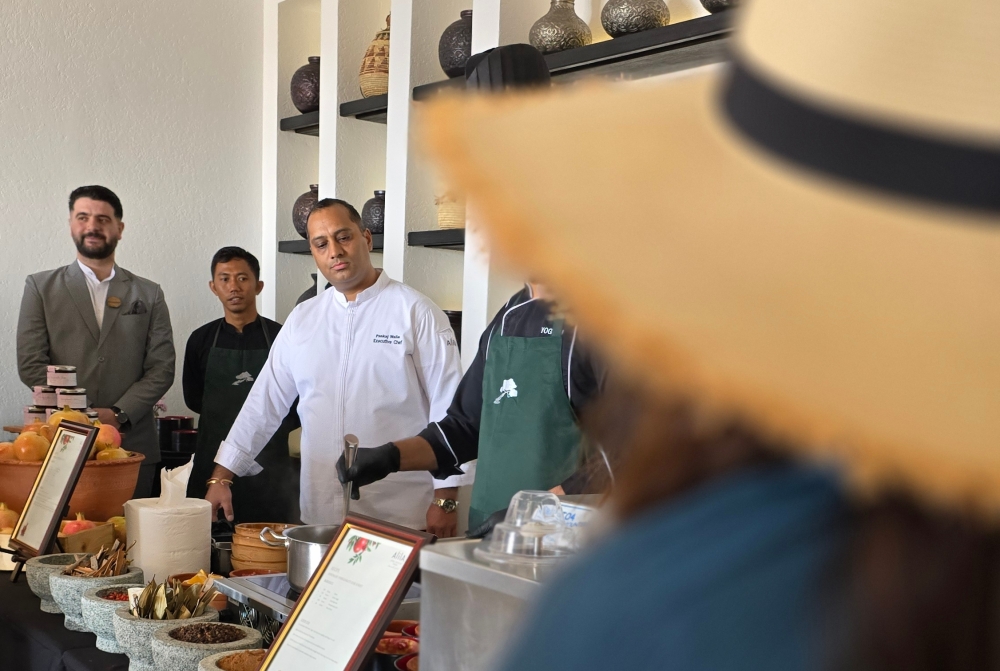
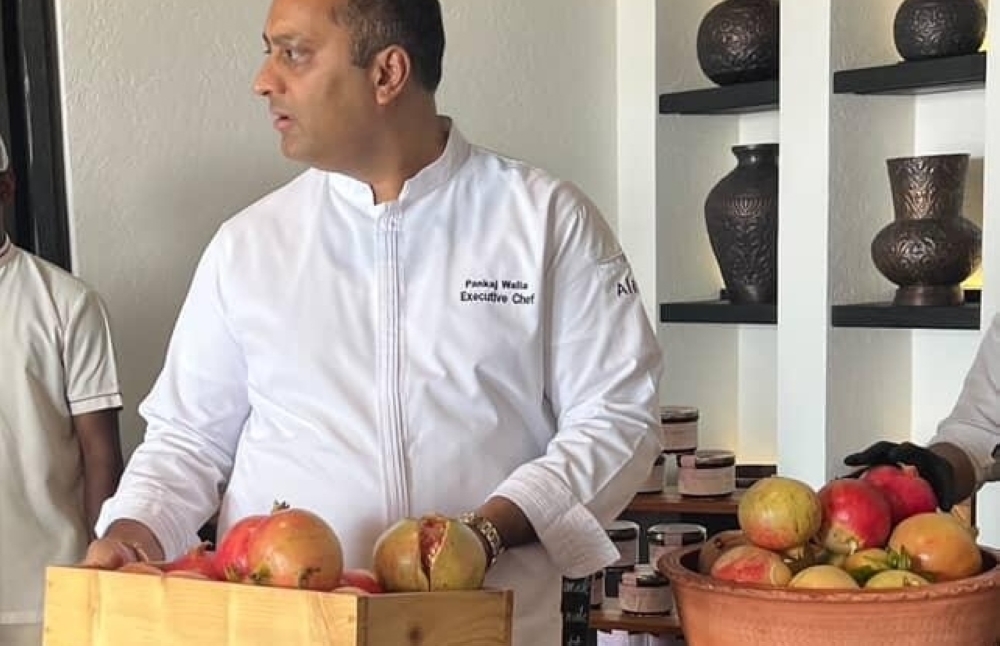
Within the hills of the mountains, surrounded by rows of flourishing pomegranate trees, Chef Pankaj Walia develops his culinary philosophy around land, tradition, and innovation. As the executive chef, he combines his background in international cuisine with a deep respect for Oman’s rich agricultural heritage.
“Our approach to cooking is rooted in understanding the land and making the most of what is locally available,” he explains. “The pomegranate isn’t just a garnish — it’s an ingredient that I believe can be central to many modern dishes, especially during this season.”
Chef Pankaj’s approach is driven by sustainability and a commitment to highlighting local produce.
“We have many pomegranate trees on the property,” he notes. “Harvesting from these trees directly ties into our broader mission of sustainability. We want our guests to appreciate the land’s bounty and see how we incorporate it into our culinary creations.”

THE PERFECT LOCATION FOR POMEGRANATE
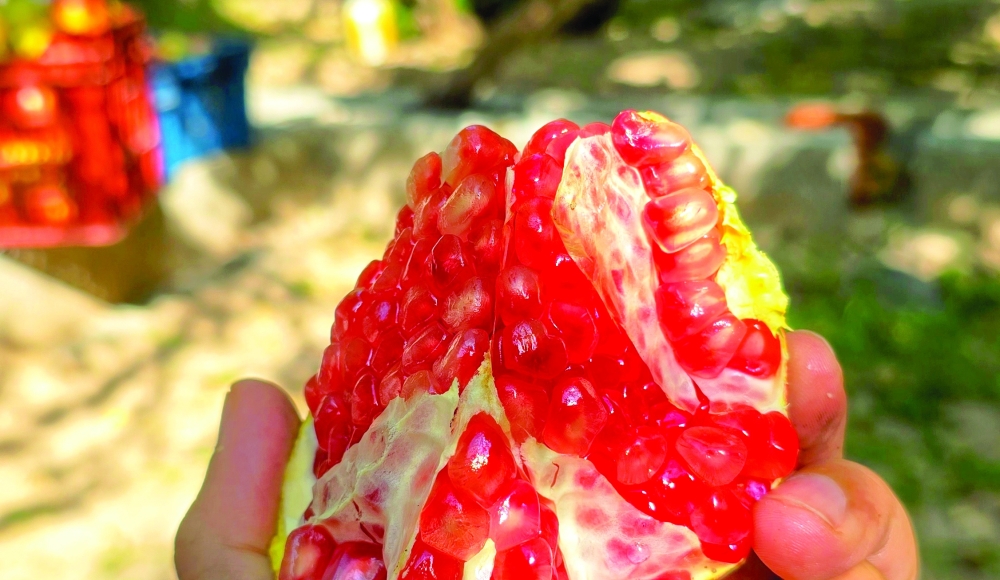
Pomegranates have been cultivated in Oman for centuries, with the region’s microclimate — characterised by cool mountain air and rocky terrain — providing ideal conditions for growing high-quality fruit. According to agricultural studies, the pomegranates from Al Jabal Al Akhdhar are distinguished by their deep colour, juiciness and complex flavour profile. The season begins in late August and usually ends by the end of September, making it a fleeting yet vital moment for farmers and chefs alike.
“During the harvest, many farmers have surplus fruit,” says Pankaj. “Rather than letting it go to waste, they can turn their bounty into jams, syrups or even frozen purees. This not only preserves the taste of the season but also supports local economies and reduces waste.” The resort is demonstrating this very practice, offering guests the chance to learn how to make homemade pomegranate jam as part of the experience, turning a seasonal surplus into a lasting treasure.
Beyond preservation, Chef Pankaj is passionate about the diverse culinary possibilities that pomegranates present. “There are countless ways to use pomegranates,” he says. “From salads and sauces to desserts and even savoury dishes, they add a bright, tangy note that can elevate a meal. It’s a fruit that demands a little creativity but rewards it generously.”
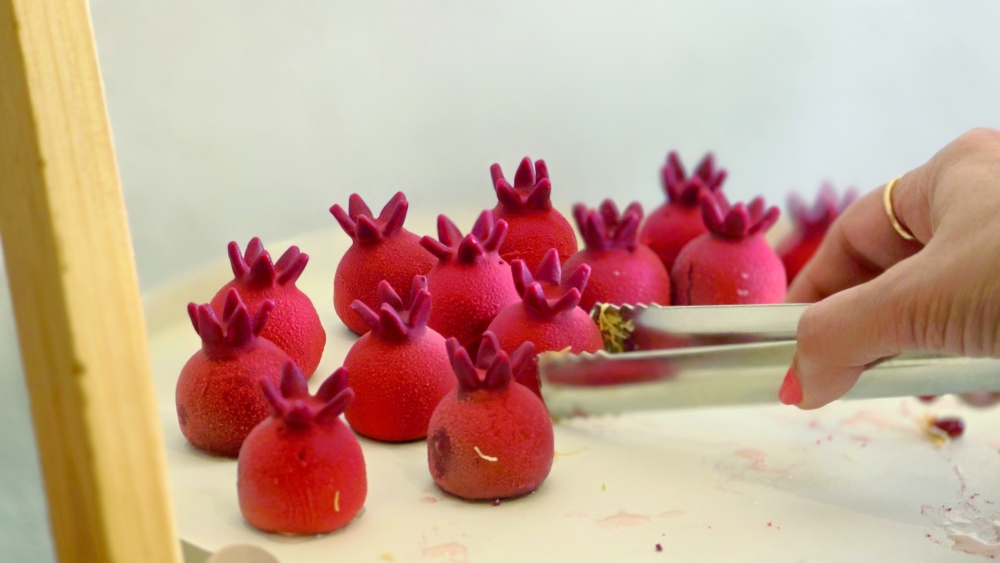
He himself is developing recipes that showcase this versatility. His signature dish for the season is a Homemade Pomegranate Rose Sorbet. “It’s deceptively simple,” he explains. “Just pomegranate juice, rose water and a little sugar — yet the result is incredibly refreshing and elegant. It’s a perfect palate cleanser after a meal or a light dessert for a warm day.” He remarks that given the widespread availability of pomegranates and rose water in Oman, it’s a dish that home cooks can easily replicate.
Yet, Chef Pankaj’s innovation doesn’t stop there. His culinary imagination is boundless: a Pomegranate Raspberry Crème Brûlée, a Kunafa Pomegranate Tart, and even more daring creations like a Pomegranate and Cheese Macaron have all been conceived during this season. “It’s about pushing boundaries,” he says.
“Pomegranate can be transformed into sweet and savoury dishes, cocktails, or even used as a garnish that bursts with flavour — dependant on one’s creativity and willingness to experiment.”
The rich history and cultural importance of pomegranates in Oman add layers of meaning to this seasonal practice. Traditionally, the fruit has been associated with fertility, prosperity, and hospitality. Local markets brim with fresh pomegranates that are often eaten raw, pressed into juice, or used in traditional Omani desserts like halwa and soaked cakes. The harvest itself is a community event, grounded in generations of farming knowledge and shared celebration.
“It’s a limited season,” Pankaj emphasises. “By the end of September, the pomegranates are gone until next year, so it’s crucial to seize this window to highlight their importance. Our goal at Alila Jabal Akhdar is not only to promote their culinary uses but also to educate our guests on the significance of this fruit to Oman’s heritage.”

For visitors to Alila Jabal Akhdar, to enrich the experience further, the resort’s Juniper Restaurant has curated a special menu that features dishes crafted from freshly harvested pomegranates.
Chef Pankaj believes that these moments of participation are essential. “When guests see how simple ingredients like pomegranate and rose water can come together to create something elegant, it changes their perspective on everyday cooking,” he explains. “It’s about making the familiar extraordinary.”
For Pankaj, this seasonal harvest is more than just a culinary opportunity — it’s a celebration of a tradition that has persisted for generations. “Every year, we grow this harvest into a memorable experience,” he says. “It’s an occasion to showcase how something so simple as a fruit can be celebrated through sophisticated dishes, and how local practices can inspire modern cuisine.”
In Oman, the pomegranate is woven into the cultural fabric — marking the change of seasons, symbolising abundance, and acting as a bridge between tradition and innovation. Chefs like Pankaj are harnessing that rich heritage, innovating with it, and sharing it with the world — all whilst maintaining a focus on local, sustainable practices.
As the season draws to a close, the excitement at Alila Jabal Akhdar remains high. The limited window for harvesting and preparing these special dishes serves as a reminder that the best things in life — like the unique pomegranate of Al Jabal Al Akhdhar — are fleeting, yet memorable.
Oman Observer is now on the WhatsApp channel. Click here