




An increase in cases of a rare but fatal form of encephalitis has put authorities in India's southern state of Kerala on alert, forcing them to step up testing to address what they say is a serious public health challenge.
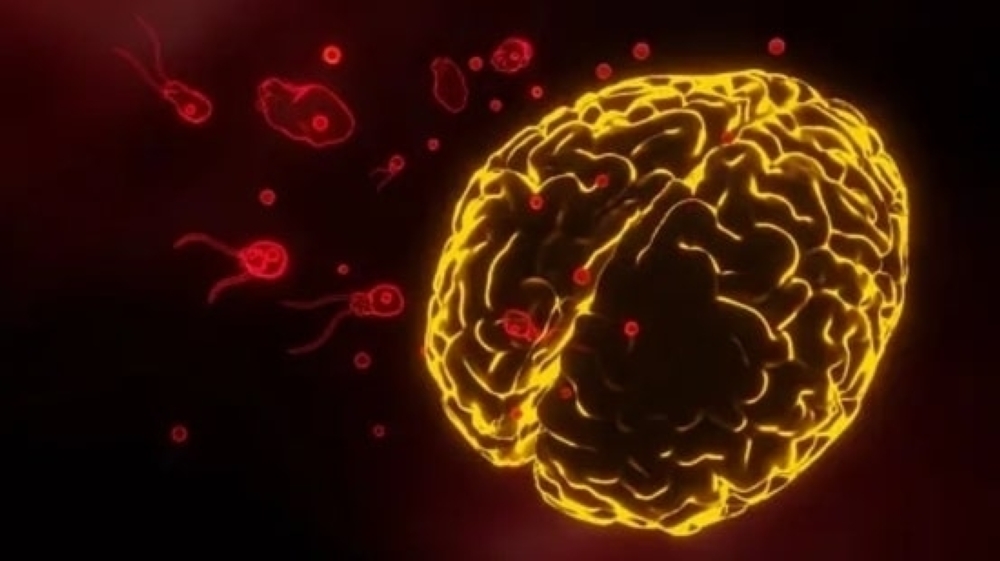
Kerala has reported around 69 cases of primary amoebic meningoencephalitis (PAM) since the beginning of this year including 19 deaths following contact with Naegleria fowleri, commonly known as the "brain-eating" amoeba, the state health minister told the state assembly on Wednesday.
Three of the deaths occurred in the last month, including that of a three-month old infant.
"Unlike last year, we are not seeing clusters linked to a single water source. These are single, isolated cases, which has complicated our epidemiological investigations," minister Veena George was quoted as saying by NDTV news.
Last year, the state reported 36 cases of PAM and nine deaths, NDTV said.
Amoebic encephalitis is a rare but lethal central nervous system infection caused by free-living amoebae found in freshwater, lakes and rivers, showed a Kerala government document.
Of the two types of amoebic encephalitis, primary amoebic encelphalitis has been found in Kerala, and is caused by Naegleria fowleri, the document showed.
The government has begun chlorinating wells, water tanks and public bathing areas, and areas where people are likely to bathe and come in contact with the amoeba, NDTV reported.
Globally, the survival rate of PAM is around 3% but because of advanced testing and diagnosis, Kerala has achieved 24%, George has been quoted as saying in local media.
"Climate change raising the water temperature and the heat driving more people to recreational water use is likely to increase the encounters with this pathogen," the government said in the document, which was published last year.
Oman Observer is now on the WhatsApp channel. Click here