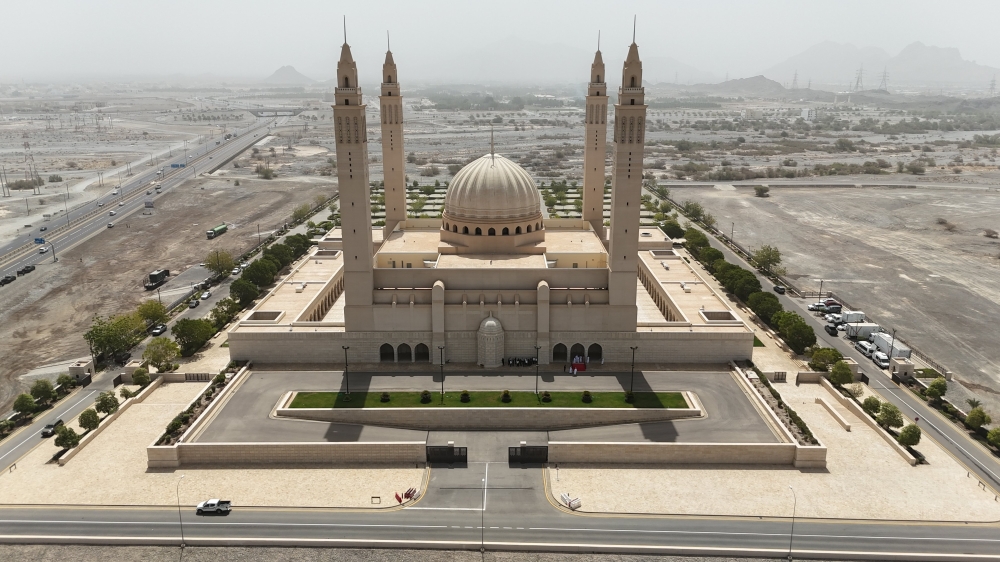
Who do you call when you need help? Each of us carries a mental list of dependable family members and friends who we know will answer in times of distress. In the Sultanate of Oman, when emergencies strike, God forbid, citizens and residents dial 9999, the number of the Royal Oman Police. It represents order, protection and reliability.
But when it comes to the global system, there is no such number to call. The Gulf, like much of the world, has been confronted with the painful reality that there is no dependable superpower ready to answer the call of justice. Historically, for nearly two centuries, the great powers, Britain, France and later the United States, claimed to play the role of “global emergency responders.” In reality, their interventions have often produced the very disasters they promised to prevent.
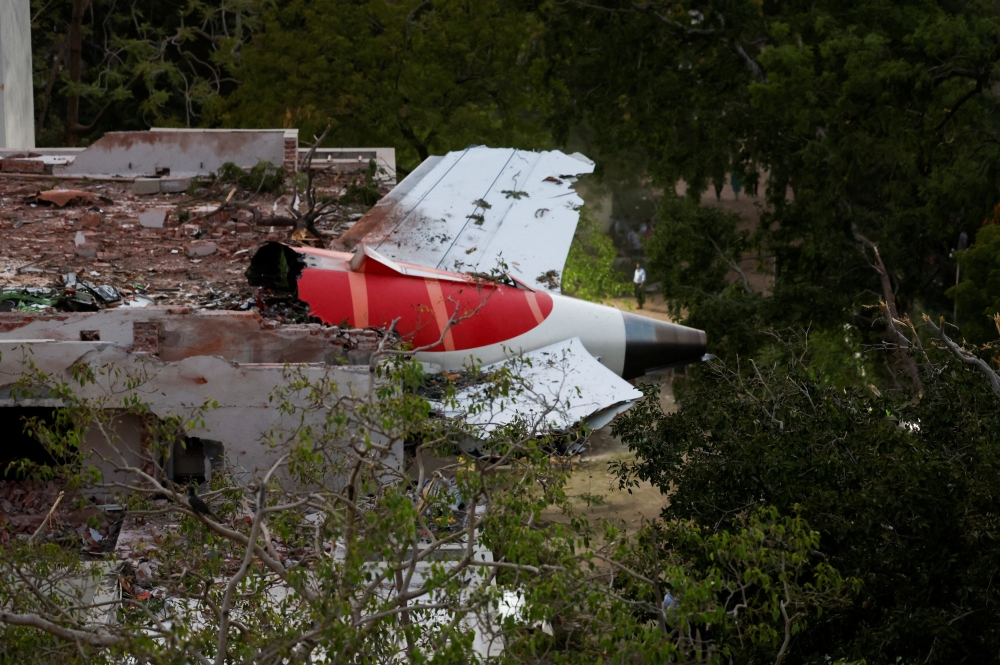
On September 9, 2024, the US-EU backed Israeli occupation carried out a treacherous strike in Doha, Qatar. The attack spilled the blood of both Palestinian and Qatari martyrs, symbolically uniting the destinies of the Levant and the Gulf. This was not only a military escalation but also a message: Even a Gulf capital that hosts one of the largest US military bases in the world is not safe from violations of sovereignty. Data underscores the contradiction. The US has over 45,000 troops stationed in the Gulf across bases in Qatar, Bahrain, Kuwait, and the UAE. Al Udeid in Qatar alone is the largest American base in the Middle East, hosting around 10,000 personnel. These forces, marketed as guardians of stability, have instead been implicated in enabling interventions and wars that caused the deaths of hundreds of thousands, from Iraq in 2003 to Gaza in 2023-2024. What should have been a guarantee of safety has turned into a glaring vulnerability. A wolf in shepherd’s clothing, the global superpower plays both arsonist and firefighter.
History offers perspective. Arab culture remembers the Battle of Thi Qar, around 610 CE, when a confederation of Arab tribes defeated the tyrannical mighty Sasanian Shah Khusru II who betrayed and executed his Arab ally al Numān ibn al Mundhir. It was the first time Arabs had collectively humbled an empire, which disintegrated completely after one generation of its defeat. The parallels are striking: Then, betrayal and arrogance led a tyrant to alienate its Arab allies, triggering rebellion. Now, tyrannical Western superpowers undermine their supposed allies in the Gulf through disregard of sovereignty and complicity in occupation and war crimes. At Thi Qar, Arab unity across faiths, loyalty and knowledge of terrain overcame imperial arrogance. Today, the lesson is clear: Survival and dignity lie in regional solidarity and global alliances beyond dependency on one superpower.
The Arab and Islamic world must join hands with the Global South to create a new “emergency number” for humanity, a system of cooperation that responds to crises not with xenophobia, Islamophobia, threats and bombs, but with justice and prosperity. This is not an abstract dream. It is already emerging. In 2024, BRICS expanded to include Saudi Arabia, the UAE, and Egypt, giving the bloc control of over 40 per cent of global oil production and nearly 36 per cent of world GDP. This represents a historic opportunity for Arab states to anchor themselves in a multipolar order. Intra-Gulf and Asia-Gulf trade has soared. China is now the GCC’s largest trading partner, with bilateral trade surpassing around RO 100 billion in 2023. Qatar and Oman have played outsized roles as mediators, while Gulf sovereign wealth funds, collectively valued at over RO 2 trillion, could be mobilised for sustainable development instead of fuelling dependency on Western security umbrellas. By weaving together energy, finance, and diplomacy, the Arab world can become not just a consumer of security but a provider of global stability.
The tragedies of Gaza, the violation of Doha, and the destabilisation of Arab lands show that the so-called “global 9999” cannot be trusted. The superpowers that once pretended to guarantee stability have instead institutionalised chaos. For the Arab and Islamic world, the path forward is not isolation but strategic coalition: investing in independent defence and technological capacities, leading in global climate and energy transitions, and building a justice-based order with Africa, Asia and Latin America that prioritises human dignity over imperial interests. In a world where the emergency call goes unanswered, or worse, answered by the source of danger, Arabs must remember Thi Qar and recognise that unity, loyalty, and principled alliances are the only reliable emergency responders.
Oman Observer is now on the WhatsApp channel. Click here