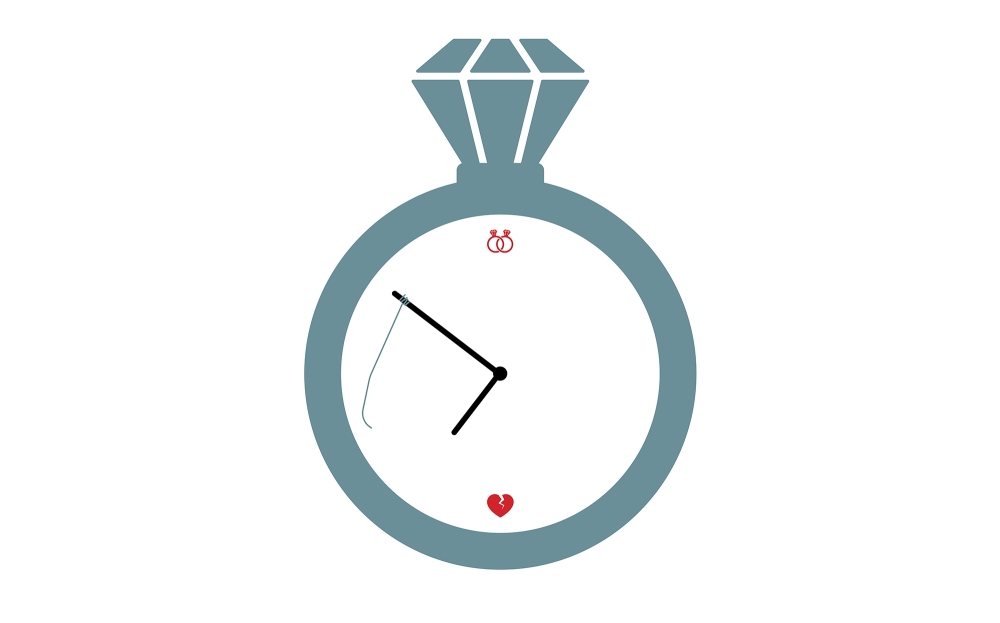





Marriage has long been the bedrock of social stability in Oman. Yet in recent years, the age of marriage has been steadily rising, prompting conversations across homes, workplaces and community forums.
For many young Omanis, delaying marriage reflects independence, higher education and career priorities. For others, it raises concerns about family formation and long-term social cohesion.
According to official figures released by the Supreme Judicial Council, notary offices across Oman registered 14,831 family transactions between January and mid-September 2025.
Of these, 11,514 marriages were between Omanis, while 3,317 involved Omani–foreign unions. During the same period, 2,871 divorce cases were recorded, highlighting both opportunities and challenges in today’s family landscape.
Behind the statistics lies a set of complex reasons. The rising cost of living remains one of the strongest deterrents to early marriage. Dowries, wedding celebrations and the expenses of establishing a new home often create financial strain.
Dr Salem al Harthy, a family consultant, noted: “Financial concerns are at the heart of many delayed marriages. Loans taken to cover wedding costs can pressure a relationship even before it begins.”
Education and career aspirations are another driving force. Where previous generations saw marriage as the foundation of stability, today’s youth increasingly view it as a milestone to pursue only after achieving academic or professional goals.
Noura al Zaidi, a family counselling specialist, explained: “It is now common for both men and women to marry only after university or postgraduate studies. This shows foresight, but it also redefines cultural expectations of when marriage should happen.”
Personal stories highlight this shift. Layla al Shihi, 29, chose to marry only after completing postgraduate studies. “I wanted to secure my career first,” she said. “Now I feel more confident managing both family and professional life.”
In contrast, Said al Awahi, 34, has remained unmarried, saying, “Marriage often feels like a social obligation rather than a personal milestone. I believe everyone has their own timing, but society does not always allow space for that view.”
The statistics also reveal evolving dynamics. The 3,317 mixed marriages registered this year reflect Oman’s growing cultural exchange. While many such unions thrive, they require careful understanding of cultural differences.
“These marriages can be enriching if based on respect and dialogue,” said Salem al Ghassani, a consultant.
Meanwhile, the nearly 3,000 divorce cases raise concerns about family stability. Experts warn that rushing into marriage without fully grasping a partner’s values, coupled with economic pressures, remains a key factor.
Solutions, specialists say, lie in support rather than pressure. Simplifying wedding expenses, promoting pre-marital awareness programmes, providing financial aid for couples and encouraging open family dialogue are among the steps often suggested.
As Oman navigates between tradition and modernity, delayed marriage emerges as both a personal choice and a social challenge. What remains clear is that strengthening families through resilience, awareness and institutional support will be vital in sustaining Oman’s social fabric for generations to come.
Oman Observer is now on the WhatsApp channel. Click here