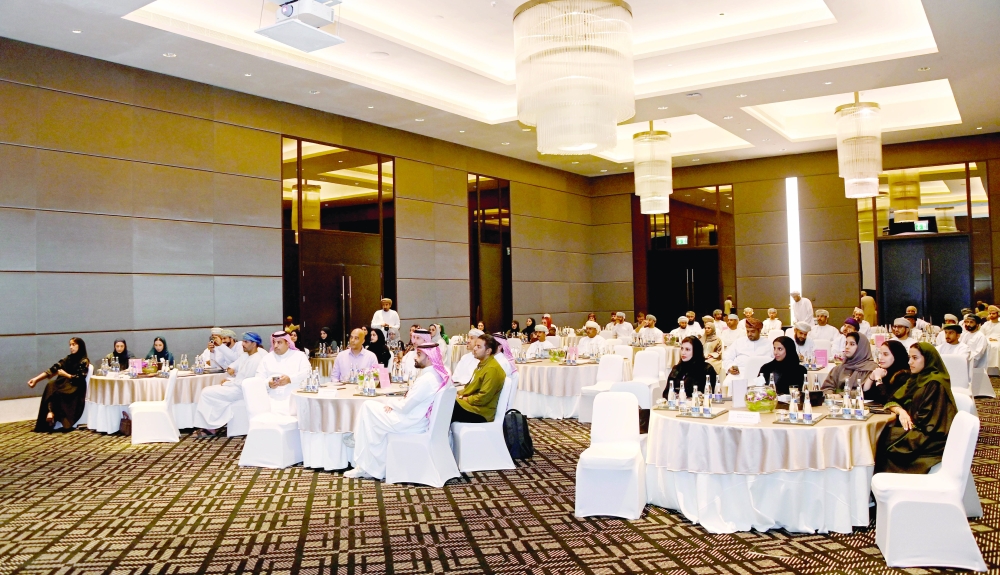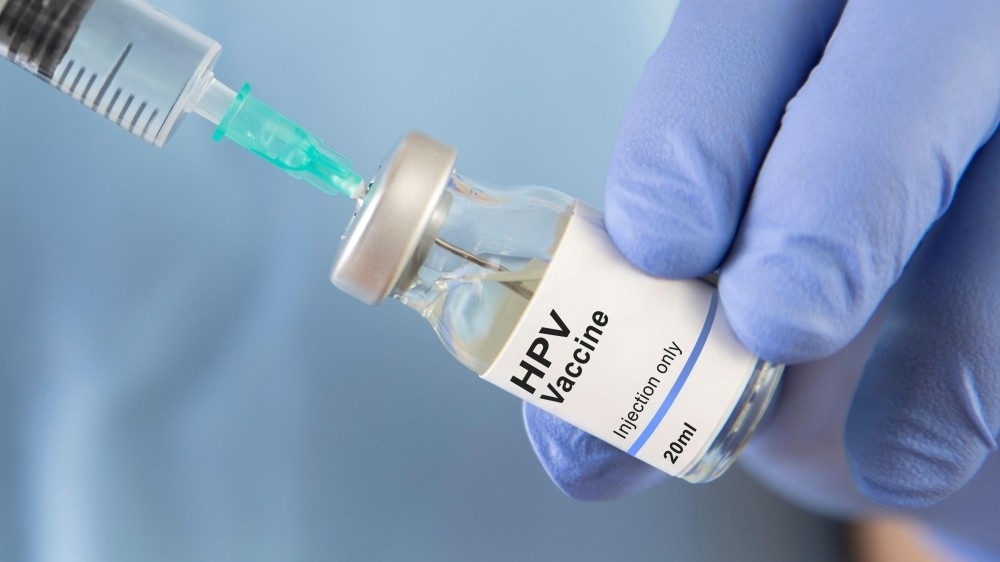





The Ministry of Health, represented by the Centre for Disease Control and Prevention, will officially launch the Human Papillomavirus (HPV) vaccine on September 25, as part of the National Immunisation Programme for the 2025/2026 academic year.
MOH said Cervical cancer is the fourth most common type of cancer among women in the Sultanate of Oman with 90 cases
reported annually, including 50 deaths due to the disease.
The human papillomavirus (HPV) vaccine is safe and has been used in more than 150 countries around the world, including some Gulf countries, for over ten years.
According to MOH officials, HPV vaccine is safe and has been used in more than 150 countries, including some in the Gulf. It has dispeled rumors that it causes infertility and added there is no clear scientific study confirming these risks.
A online media, quoting the Minister of Health, said that administering the HPV will be not mandatory, but optional with parents to take the call.
The vaccine is purely a protein and many countries have eliminated cervical cancers thanks to the HPV vaccine, which is not a new vaccine.
The Ministry of Health has begun administering the Human Papillomavirus (HPV) vaccine to Grade 6 students aged 12 years in public and private schools, following its inclusion in the national school immunisation programme. The campaign is part of the ministry’s efforts to strengthen preventive healthcare and promote early intervention to safeguard students’ health and combat non-communicable diseases.
The decision comes as part of the World Health Organization (WHO) recommendations based on scientific evidence, which confirms the effectiveness of the vaccine in preventing several types of cancer, particularly cervical cancer, as well as other cancers of the reproductive system in both males and females, in addition to other HPV-related diseases.
Health officials described the launch of the campaign as a strategic step to reinforce public health and protect future generations from the burden of disease. The HPV vaccine is considered safe and effective, offering up to 90 per cent protection against cancers linked to the virus.
HPV is one of the most common viruses worldwide and can remain in the body for years without symptoms, potentially leading to various forms of cancer, including cervical, oral, and pharyngeal cancers, as well as warts. While the virus affects both men and women, it is more prevalent among women. Scientists have identified nearly 200 types of HPV, some of which—such as HPV16 and HPV18—are considered high-risk and closely linked to cancer. Less dangerous strains are typically associated with warts and rarely cause serious complications.
HPV is most often transmitted through sexual contact, including skin-to-skin contact, even in the absence of symptoms. In rare cases, it can pass from mother to child during pregnancy, or through direct contact with an infected person’s wounds. Risk factors include multiple sexual partners and HIV infection.
Although there is no specific cure for HPV, treatment is available for associated conditions, such as warts and precancerous changes in the cervix. In some cases, warts may enlarge, persist, or disappear without treatment. Medical interventions also exist for managing cervical cancer and other HPV-related cancers.
Preventive measures include two doses of the HPV vaccine for boys and girls between the ages of 9 and 14, which reduces the risk of developing HPV-related cancers by up to 90 per cent. Those who do not receive the vaccine before age 15 can be immunised until age 26, but with three doses. Women aged 21 and above are also advised to undergo cervical cancer screening once every three years.
Complications arise when the virus becomes chronic, leading to cervical cancer and other cancers of the reproductive system. The Ministry of Health has urged the public to seek medical advice if symptoms such as genital warts or abnormal vaginal bleeding appear, to ensure timely intervention and appropriate treatment.
Oman Observer is now on the WhatsApp channel. Click here