It was early morning in Moscow, around 8 am, when I saw something that caught my attention and stayed in my memory. A woman was driving a taxi on the opposite road as we were heading toward our hotel. She held a cigarette in her left hand and with her right hand, she controlled the steering wheel confidently. For a moment, I kept watching her smoking, driving, and working without bothering anyone around her. It struck me deeply.
Why? Because what I saw was more than just a driver smoking while working. It was a symbol of two things. First, her struggle for survival. She was not waiting for someone to support her or depending on others she was working, earning, and building her own life. Second, it was about freedom. Her freedom to choose her profession, her freedom to smoke if she wished, and her freedom to live her life in her own way. To me, this was a sign of a civilised society, a nation where people live with dignity, not restricted by unnecessary judgments.
That morning scene became my personal introduction to Russia. And it made me think: what really brought me here? Why did I choose Russia as my destination? If I ask myself this question, the answer is simple: I came because of Russia’s history, literature, and economy.
One of my main goals was to visit Red Square, especially the grave of Lenin. I had read so much about him in books about his role in the revolution, his influence on world politics, and his ideology that shaped generations. Standing at the place where Lenin was buried felt like standing at a crossroad of history. It wasn’t just a tourist visit; it was a personal reflection on how ideas can change nations and how one man’s philosophy can still echo across the globe. From history, my thoughts quickly moved to literature. Russia has given the world some of the greatest literary minds. Tolstoy immediately came to my mind. I asked myself: what made him such a great writer? Was it the depth of his thoughts? Was it his ability to capture human emotions and society so powerfully? I don’t claim to have the answer, but I believe it must be something connected to the way Russians think and reflect about life, struggle, and human existence. Literature here is not just words on paper, it is philosophy, history, and psychology combined.
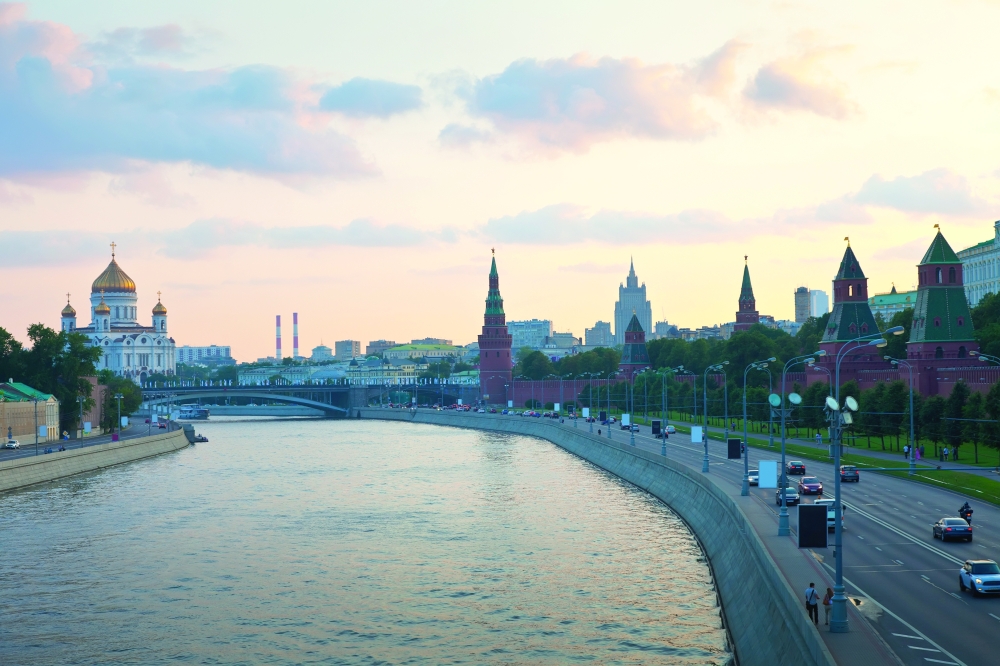
But Russia is not only about the past. Walking through the streets and observing people gave me a picture of the present economy. I noticed something important: nobody seemed idle. Everyone was busy, either working, selling, driving, or buying. This kind of active life shows that the economy is alive. People are earning, and more importantly, they are spending. The shops were not empty; the markets were full. This strong purchasing power told me that the average person in Russia works hard and enjoys the fruits of their labor.
Of course, I also realised that the Russian economy is not purely capitalist. It has its own system, different from the West but still productive. Perhaps that is one reason why the purchasing power remains strong. People are not drowned in extreme competition or individualism but live in a system that balances survival and spending. The woman taxi driver I saw in the morning became, in my mind, a representation of this whole picture. She was the face of survival, freedom, and contribution to the economy. She was proof that Russia, beyond its history and literature, is also about ordinary people living strong, resilient lives. As a traveler, I came for history, literature, and economics, but I found something more personal, an impression of strength in everyday life. Whether it was Lenin’s grave reminding me of the weight of history, Tolstoy’s name reminding me of the richness of literature, or the busy markets reminding me of economic activity all connected to one theme. Russia is a country where survival, freedom, and hard work meet.
When I look back at my trip, I don’t just remember buildings or monuments. I remember moments like that woman smoking and driving, a small but powerful reminder that societies are not only judged by their leaders or ideologies, but also by how ordinary people live with dignity and freedom.
That, to me, was the real Russia.
Oman Observer is now on the WhatsApp channel. Click here