




MUSCAT, SEPT 11
Once shaped by their location within the Sultanate, industrial hubs are now increasingly evolving around specific sectors and commodities – an emerging trend that promises to fuel new industrial investment in Oman, according to a key government official.
Dr Ali bin Masoud al Sunaidy, Chairman of the Public Authority for Special Economic Zones and Free Zones (OPAZ), cited examples of new clusters currently under planning or early development, centred on investments in sectors such as green hydrogen, renewables supply chain manufacturing, minerals, and aluminium value-addition. In contrast, the initial wave of SEZs and free zones sprang up in proximity to strategic ports without a sector-based focus in mind, he noted.
“OPAZ policies are aligned with Oman’s industrial strategy, which focuses on sectoral clustering – grouping complementary industries in dedicated zones to deepen value chains and boost economic resilience. This approach builds on existing strengths and guides future development through targeted planning. For example, in Sohar Free Zone, a manufacturing cluster focused on polysilicon production and downstream solar-related industries is emerging,” Dr al Sunaidy stated.
The official made the comments in an interview with global publishing, research and consultancy firm Oxford Business Group (OBG). The London-based firm recently unveiled its Oman 2025 Report, which tracks the important progress achieved by the country across energy, logistics, manufacturing, tourism, and financial services, while also assessing emerging opportunities in green energy, agritech, and digital innovation.
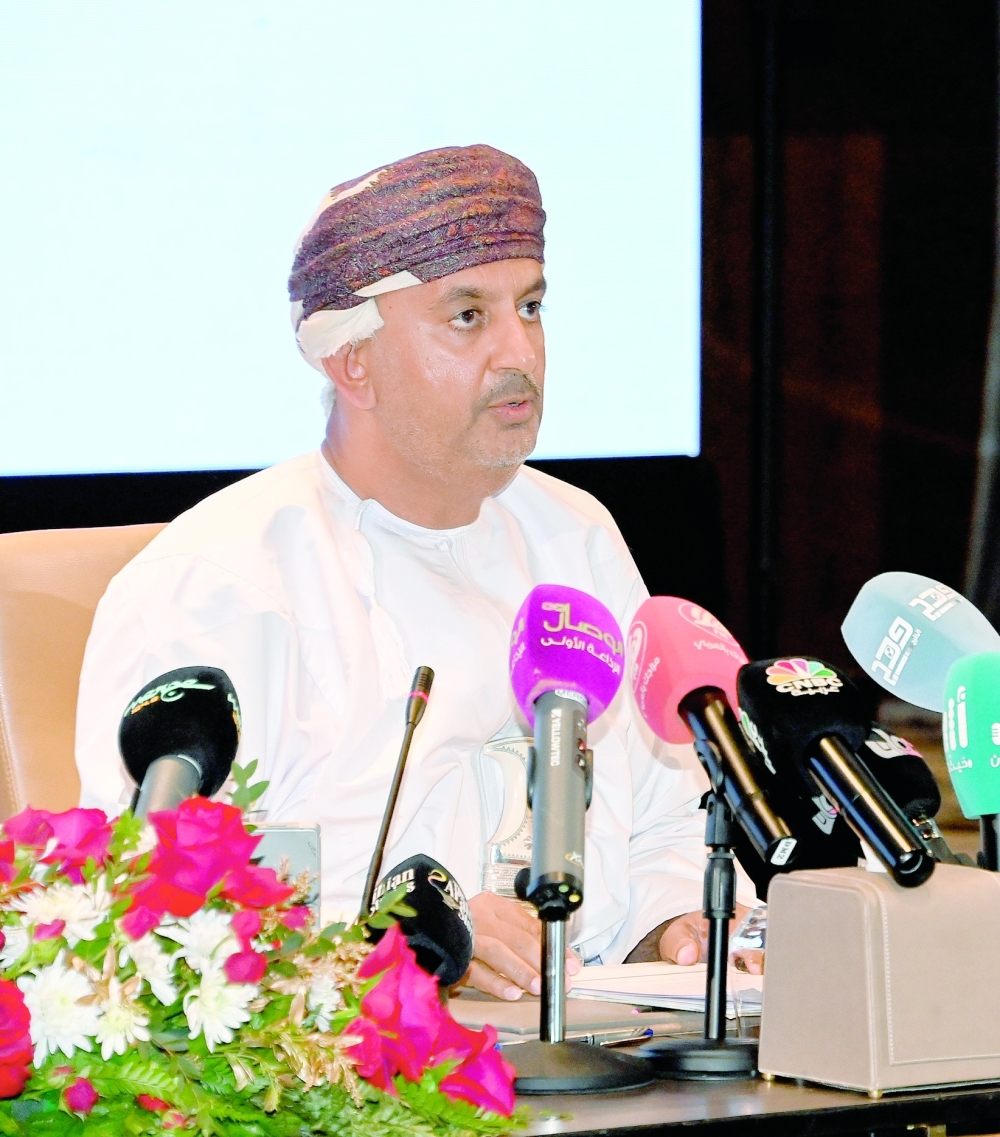
According to Dr al Sunaidy, long-established industrial cities and free zones are also spawning new clusters around specific sectors. Salalah Free Zone and the nearby Raysut Industrial City, for example, are hosting a cluster of pharmaceutical industries that leverage their access to raw materials, supply chains, and global markets through the Port of Salalah.
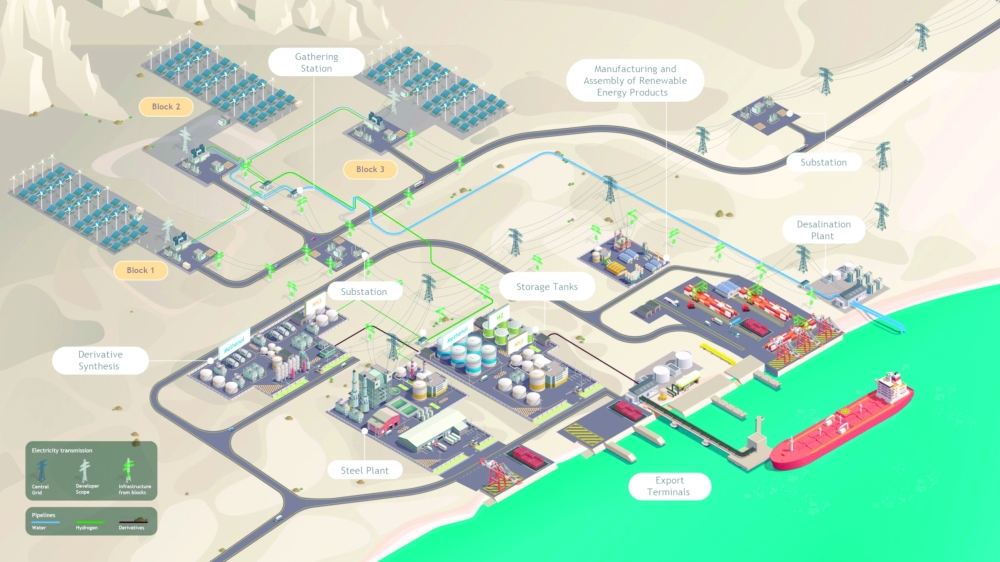
“The master plan of the Special Economic Zone at Duqm (SEZAD) is already under way, and the existing infrastructure makes it possible to harness the energy required to launch a cluster of green hydrogen and renewables-related industries,” he further noted.
In a similar vein, infrastructure development is now more intentionally aligned with sectoral clusters, with investments channelled into strengthening them, said the OPAZ Chairman. Physical, logistical, and utility infrastructure are being tailored to meet the specific requirements of each zone’s priority sectors, he stressed.
“In Khazaen Economic City, for instance, we are witnessing a clustering of food-related industries, driven by public and private investment in infrastructure, including substantial investment in Silal Fruits and Vegetables Central Market in Khazaen.”
Similarly, the new fishing port at the Duqm SEZ is fostering the development of a major industrial fisheries cluster that will cater to investments in canning, processing, and the production of fish oil, fish meal, and organic fertilisers. “Design is under way to integrate that with cold chain logistics – reflecting the government’s interest in maximising value in fisheries and food processing,” he noted.
Other clusters are in development in close coordination with government ministries and related agencies, according to the official. “To name a few, the clusters of plastics and polysilicon in close collaboration with the Ministry of Commerce, Industry and Investment Promotion, including OQ Group and the Oman Investment Authority, and more specifically, with Invest Oman and the Nazdaher programme. The hydrogen cluster is closely coordinated with the Ministry of Energy and Minerals, including the government-owned Hydrogen Oman. The fish and food cluster is coordinated with both the Ministry of Economy and the Ministry of Agriculture, Fisheries and Water Resources. There are also other clusters under study or design.”
Furthermore, plans are afoot for a downstream aluminium manufacturing centre close to Sohar Aluminium Company, while at Shaleem in Dhofar Governorate, OPAZ is advancing moves to set up a mineral-focused economic zone, including infrastructure to support bulk exports by sea. This reflects a vision of aligning natural resource development with industrial processing, he added.
Oman Observer is now on the WhatsApp channel. Click here