




MUSCAT, SEPT 10
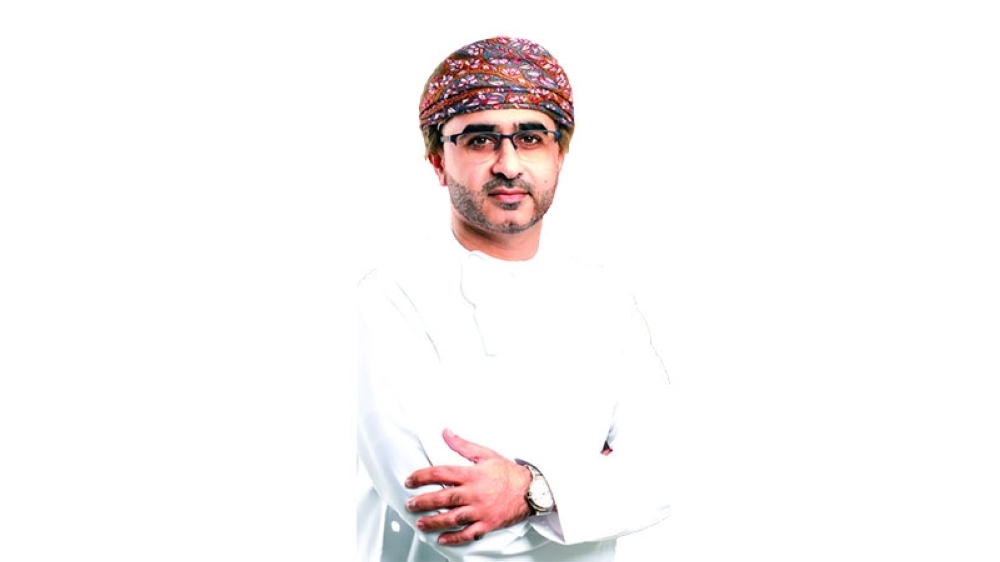
Hussain al Lawati, CEO, Development Bank will take part in the Duqm Now Circular Economy panel discussion on Wednesday, September 17, at the Crowne Plaza Hotel, Al Duqm. The evening session, beginning at 7:30pm, brings together senior figures from government, finance and industry to debate how Oman can position itself at the forefront of the global circular economy.
Joining Al Lawati on the panel are Dr Aisha al Sarihi, Environment Advisor, Ministry of Economy and Dr Mohab al Hinai, VP for Sustainability & Circular Economy, be’ah. The discussion will be moderated by Talal al Shahri, Director, Specialised Radio Stations, Ministry of Information.
The panel comes at a time when the circular economy is moving from the margins to the mainstream. For Omani exporters and manufacturers, it is already becoming a condition of market access. With the EU’s Carbon Border Adjustment Mechanism now in its first phase and digital product passports set to follow, companies unable to prove low-emissions and resource-efficient production risk being shut out of key markets.
“Banks cannot remain on the sidelines”, remarked Al Lawati. “Financing models must adapt so that Omani businesses not only comply with tightening regulations but also capture the opportunities in recycling, remanufacturing and resource efficiency”.
Global trends are making the case more urgent. The World Bank projects global waste will nearly double by 2050 unless consumption patterns change. Consumers are moving towards sustainable products while investors are embedding climate and regulatory risks into their portfolios. Europe’s rules on carbon and eco-labelling are already redrawing supply chains.
For Oman, the pressure is immediate. Exporters to Europe, particularly in energy-intensive sectors such as aluminium, steel and fertilisers will need verified emissions data to avoid steep border costs. Yet early adopters stand to benefit — circular business models can reveal efficiency gains and open entirely new revenue streams.
Financial institutions elsewhere are already scaling up support. The European Investment Bank has channelled billions into projects ranging from plastics recycling to bio-based industries. Commercial lenders are also linking credit terms to measurable improvements in supply-chain sustainability.
“Circularity is not just about cutting waste”, Al Lawati said. “The global economy is being reshaped by consumers demanding greener products and by companies proving they can deliver. For Omani industries, competitiveness now depends on meeting those expectations and building trust in international markets”.
Duqm Now is a series of thought-leadership events organised by SEZAD and designed to showcase Al Duqm’s role in shaping Oman’s economic future.
Oman Observer is now on the WhatsApp channel. Click here