




WASHINGTON — President Donald Trump said Tuesday that he found out about Israel’s airstrike in Qatar from the US military, rather than Prime Minister Benjamin Netanyahu, whom he often describes as both a friend and his strongest ally in the Middle East.
It was a familiar surprise. In June, Israel launched a 12-day war with Iran with minimal notice, initially drawing a rebuke from Washington until Trump decided to join in on what he saw as a winning campaign.
Netanyahu has made use of his relationship with Trump to exercise bold attacks like the one on Hamas on Tuesday, often using American weapons with little or no notice to Washington. And each time, he has learned that Trump and his administration will grumble about it as they did Tuesday, but ultimately decide to let it pass unpunished.
On Tuesday afternoon, Trump emphasized that the Israelis had left the United States in the dark again. “I was very unhappy about it — heartbroken about every aspect,” he said. “We’ve got to get the hostages back. But I was very unhappy about the way that went down.”
He said he would release a full statement about how he learned about the attack on Wednesday.
In a social media post earlier in the day, he tried to distance himself from the attack.
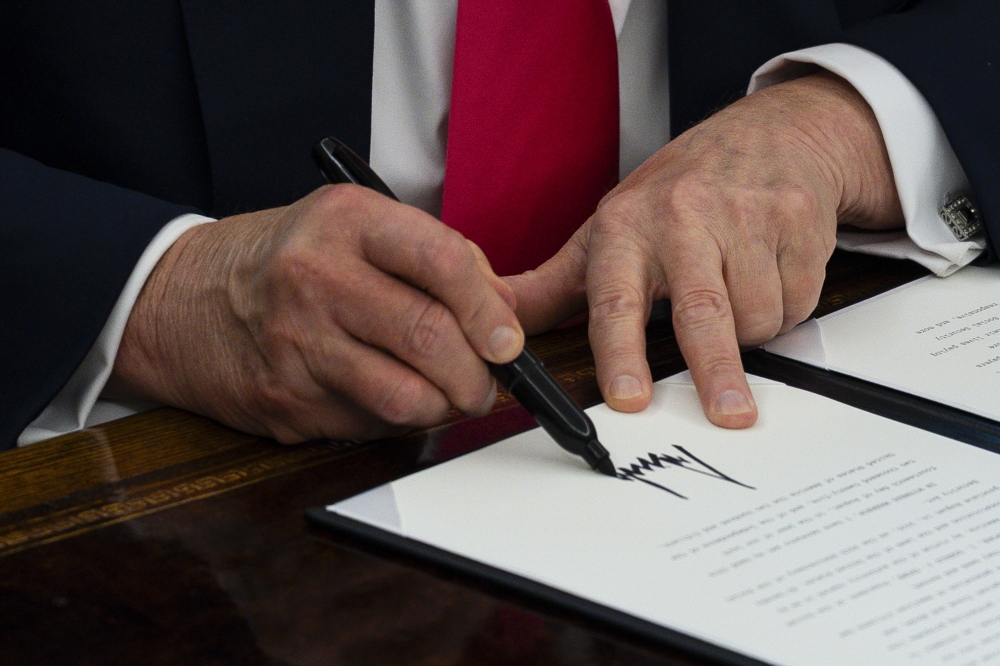
“This was a decision made by Prime Minister Netanyahu; it was not a decision made by me,” Trump wrote. “Unilaterally bombing inside Qatar, a Sovereign Nation and close Ally of the United States, that is working very hard and bravely taking risks with us to broker Peace, does not advance Israel or America’s goals.”
He added: “However, eliminating Hamas, who have profited off the misery of those living in Gaza, is a worthy goal.”
Hamas said the Israeli strike had failed to kill senior officials in the group, without specifying whether they had sustained injuries.
Trump said he felt “very badly about the location of the attack,” in Qatar, a U.S. ally that has been a critical mediator in peace negotiations between Israel and Hamas.
He said that the United States had tried to notify Qatar of the strikes but that it was “too late to stop the attack.” Still, he said, he assured Sheikh Mohammed bin Abdulrahman al Thani, the prime minister of Qatar, “that such a thing will not happen again on their soil.”
This article originally appeared in The New York Times.
Oman Observer is now on the WhatsApp channel. Click here